
Brian Berletic: Iran SMASHES Trump's MoU Deception, New War Front Just BLEW UP!
Danny Haiphong
Jun 22, 2026 #iran #iranwar #trump
Brian Berletic of the New Atlas just predicted the collapse of the MoU deal between the US and Iran, explaining that Iran's defiance in the face of deception has exposed the dangers of trusting the Trump-led US empire as preparations for a war on China intensify behind the scenes.
Transcript
There's a memorandum of understanding between the United States and Iran already collapsing. Talks are on very shaky
ground and a lot of this has to do, of course, with Israel and its attacks on Lebanon. It's not even worth commenting on ceasefires around that issue. There
is no such thing as a ceasefire as to what's been happening uh against Lebanon uh by the Israelis in the United States.
A lot of people are talking about the Trump administration brokering peace and how they need to enforce the terms of theou.
How do you see it?
Well, we have to try to figure out what the United States is trying to actually achieve. Does anyone actually think the United States is trying to achieve peace? And the answer is obviously not.
The only reason the United States would ever agree to anything even closely resembling peace is because they they
need to freeze a particular part of their global uh objectives because they're not able to move them forward and and they're in some ways maybe
worried that they're going to be moved backwards. So that's the only reason they would ever ever agree to peace. And even when they agreed to peace as you
were saying the ceasefire there was a ceasefire leading up to the memorandum of understanding being signed like it I
guess it was technically signed but they were violating the ceasefire all along and as you mentioned Israel is violating
the ceasefire uh has been and is now violating the memorandum of understanding because the the first point if if my understanding is correct
was that the war was supposed to stop on all fronts including Lebanon and But if you zoom out and look at the entire region, it isn't just a US war on Iran.
It is a US war on Iran and all of its allies in the region. And that included Syria before its collapse in 2024, Yemen
onsa in Yemen, and of course Hezbollah in Lebanon. And so when Israel's
continuing its war against Hezbollah in Lebanon, that is the US continues overall war on Iran across the entire
region. So how can you have a memorandum of understanding or any sort of peace when you are still in fact waging war against Iran? And people will make the argument that well Israel is doing this.
Israel and United States are two separate things. But as I've always pointed out and in in terms of material reality, Israel would not exist as it
does today without constant and complete US support. They are incapable of large-scale military operations without
constant and continuous support from the United States. So this would not be happening unless the United States wanted it to happen. And if they really
wanted it to end, they could pull the plug and Israel would I I mean, we remember many junctures where the Israelis would have to stop in the middle of one of their wars of
aggression or one of their episodes of genocide. They'd have to sit there and wait for US bombs to be delivered so that they could continue their their
aggression and their genocide. And so that just shows you how dependent they are on the United States and that at any point the US said no we're not delivering those bombs because we
actually want peace. Then that's what would happen and then there would be peace. They physically incapable of continuing without US support. If they
are continuing it's because the US is supporting them to continue. It's quite a peculiar position or maybe we should
frame it as an incredibly contradictory position for the United States as the so-called hegeimon where it has this
agenda of and it's been trying to enact it of isolating Iran of course isolating the rest of Iran's allies in the
multipolar world especially in the energy realm trying to choke uh very important trade routes and even
worsening the situation around the straight of form which was open before the United States decided to strike Iran and Iran decided to exercise its uh uh
you know its capacity to regulate the strait uh in defense of its sovereignty but now the United States is in this
position where it obviously needed a breather but yet it won't arrest the uh
Israeli regime in order to ensure that that breather can last in any
significant period of time given all of the of course the limitations we saw with the United States and its war on
Iran. So what do you make of this contradictory position where the US it seems like the United States can't seem
to make a definitive decision about whether it's going to go fullscale war and continue on the war and try to meet
its objectives that way or to stop and take a breather. So, you know, because I'm not even I'm not even fantasizing
about the idea of the United States brokering peace. That's just not what the United States government, the regime, the military apparatus,
industrial complex, everything does. But the idea that the United States can't even decide on a path between breather,
pause, and continuing war is quite a interesting development. What do you make of it? I think it's very similar to
the Minsk agreement. This was the agreement made between, you know, technically the United States, Europe,
and Russia in regards to Ukraine from 2014 until Russia's full-scale
intervention in 2022. So what what they were doing was technically they were supposed to have a ceasefire and then it
was supposed to lead from there to permanent peace. But what the United States and Europe did instead was use
all of that time to just rearm, reorganize their Ukrainian proxies and create an even larger threat to to
Russia in the long term. That's exactly what they're trying to do now. So they they want to appear as if they're seeking peace. They want to create
credible excuses for why that peace cannot be fully implemented and just hope Iran and everyone else goes along with it. So far, Iran has said no, they're not going to go along with it.
they will keep the trade of hormones close. But you mentioned energy and we have to we have to realize it's not just that the US is trying to eliminate Iran
in West Asia and then wanting to control all of West Asia for so so many obvious reasons the geostrategic position of the
region the energy that comes out of that region it is to stop the energy coming out of the region specifically. So they
they want to cut off China and they want to cut off the rest of Asia. And the way they want to do this is not overnight.
If you do that overnight, there will be a economic calamity and uh it will be too too quick to be of any benefit for
the United States. What the US is doing right now is ramping up LNG exports to Asia. They they did this years in
advance of this this current war that we're in the middle of with Iran. And as I pointed out before, there was no
reason for them to be ramping up LG export uh projects and infrastructure to Asia because there was already energy coming from West Asia going to the rest
of Asia. So So why were they doing that if it made no business sense? Because they fully intended to disrupt energy from West Asia reaching the rest of
Asia. This is exactly what they did to Europe visa v their their energy imports from Russia. They wanted to cut Europe
off from Russian energy. They wanted to supply Europe with energy from the United States. It didn't make any sense at the time because Russian energy was
already being piped in much cheaper than the US could ever send it to Europe. So what did they do? They started a war.
They put sanctions on on Russia. And even to this day, Europe is still getting a percentage of its energy from
Russia, but they are gradually cutting it off permanently. This is what they plan to do with Asia. You cannot do it too quickly. Okay. So, what you do is
you you you you do this waffling where you we want peace, but oh, we had a bomb in self-defense. Oh, we have Israel, we
can't control them. Oh, the CIA says Iran's not uh honoring their side of the agreement. And so, they've even before
they signed the MOU, they had a whole list of excuses to worm their way out of the agreement just just like we all knew that they would, right? The CIA, what did the CIA say?
The CIA doesn't trust Iran to abide by the terms of theou. Israel, right? And then the then that US intel says Israel
may undermine theou and then yeah, everyone's joking about that because Israel was literally doing it days. I
mean, let's be honest, since theou began, uh was even uttered and agreed upon. Israel was undermining it and
meaning the US was undermining it. And that uh that just goes to show exactly what you said there, Brian. And now, how
about this? there is somewhat of what I believe to be and I'm I'm curious on your take on this a kind of narrative
management going on and uh part of that is because obviously the United States faces crises uh that are mounting
economically militarily because of its inability to pull back on its uh war
agenda and then but there's also a kind of political narrative taking shape that
is definitely about PR and JD Vance has come back into the four to spread what
is now being perceived as a USIsraeli rift and I want to just play uh an
interview that JD Vance gave to the New York Times a brief snippet of it uh where uh the New York Times opinion
section asks JD Vance about his thoughts on how Israel has perceived this deal.
There is another country in the Middle East that thinks of itself as having a very intimate knowledge of the Iranian regime. Um, not just the Gulf States.
That's Israel.
10 minutesI don't think this deal is popular in Israel right now. I don't think you're an especially popular figure in Israel today. We'll see where things are in 6
months. And one perception I think that people have after watching this war unfold is that there is a certain misalignment maybe between the kind of
pragmatic American interest that you just described the president having and the more existential sense of the stakes that Israel has. And one key criticism
of the Obama deal uh from people in the Republican party, people in Israel, elsewhere, was always that it was focused on the nuclear program and
wasn't focused on Iranian proxies, their support for terrorism around the Middle East, their support for Hezbollah and Hamas. So, I'm just curious, do you
think there's a misalignment between the US and Israel? Do you think Israel has incentives to not want this deal to continue? And is there a vision for how
you get to a point where Iranian support for Hezbollah isn't sending rockets into Israel on the regular?
Well, what what I'd say here is that it's clear that large segments of the Israeli political system and population are very sensitive about this deal, but
I also think they're picking up on some misinformation about the deal and running with it and sort of panicking about it. And I I fundamentally believe this deal will be good for the entire region and for the world. That includes,
of course, the Israelis. Now, I think it's important to say that while I do believe that I do believe that this deal will be good for the entire world, fundamentally we're worried about what's
in the best interest of the American people. And to the extent that, and I think the president has shown this, where he sees misalignment between the goals of the political system in Israel
and the goals of the American people, he's willing to say that we're going to pursue America's interests where there are divergences. So, there are certainly going to be disagreements from time to time. I think that's normal. I will say
I don't I don't know, maybe I've missed this. I don't think BB himself has actually criticized the deal because I think he's maybe a little bit more familiar with the details of what's in it. But yeah, you've seen people in
their system, Bengavir and Smok who have attacked the deal. And I guess my response to them would be what is your exact proposal? And you know, you're you're a country of of 9 million people.
You can't just kill your way out of solving every single national security problem that you have.
12 minutesVery interesting, Brian. You can't kill your way out of every single national security problem that you have. It sounds familiar. It almost sounds like a
a a key element of of US foreign policy for many many decades. Just literally
there used to be uh milit you know back in the Vietnam era kill everything that moves that it it's it's just so
interesting to hear JD Vance talk like this and it it indicates or it's supposed to spread this idea that yeah there's a there's a significant rift
between the United States and Israel right now. It's it's the same act of political theater we've watched the United States and the European Union
perform uh since President Trump came into office. Um we we remember uh we
actually we remember Secretary of Defense Pete Hegath all the way back in February 2025 telling Europe there's going to be a division of labor. You
guys are going to continue in Europe you're going to continue this war while we go deal with uh China and apparently also Iran. And then that's exactly what
they went off to do. But there had to have been this this split, this theater of some sort of split. Even as Europe
did exactly what the US was telling them to do, they had to pretend that the United States abandoned them because what were they asking of the European
public? They were asking the European public, we're going to have to get rid of all these public programs that you depend on to actually live your life as
a European citizen and we have to redirect all of that money into this proxy war we are going to fight on behalf of the United States because we
are vassels of the United States. And so to to sell that to the to the European people, you have to convince them that the Americans abandoned them. Russia is
an existential threat. And then this is the the pretext they use to push forward actually fulfilling demands the US has
made of them. It's the exact same in in Israel for Israel. They have their own political circus. They have to perform for the population there to continue
radicalizing them to continue silencing anyone uh voicing any sort of disscent there. They also have to perform
political theater between the US and Israel. especially if you tasking Israel with spoiling peace uh conducting
attacks out of the you know out of the blue all on on their own which as we know militarily is impossible those attacks have to be enabled by the US
even as they're being carried out but you have to perform this political theater to convince people that if you want to convince people Israel did this
on their own you have to convince them that there's some sort of split that justified it and I will continue to to warn about this Israel has nuclear
weapons. If the United States ever decided they wanted to enter nuclear weapons into the equation in the region,
they would probably have Israel do it and try to create plausible deniability for themselves. the more division that
they're pretending to have between the US and Israel, the worst thing the the the more the the the more catastrophic the thing
is that they have Israel planned to do on their behalf that they want plausible deniability from. And we remember them playing this theater all the way up
before the the 2025 strikes on on Iran, the decapitation strikes on Iran in 2025. And they played
the same game before the this most recent round where well we told them we're in talks and we want talks and Israel's going to undermine them and and
then of course it was you know there were no talks to begin with. They always planned to have these strikes and I've pointed out in policy papers from all
the way back in 2009 where they have entire chapters about using Israel as a proxy to provoke a war and to have the
United States look like they had nothing to do with it. They wanted diplomacy and it was Israel that forced them into the war. So they're they're just redoing this over and over and over again. I
just hope people start spotting the pattern and trying to get ahead of this for the next round. JD Vance went on to
say in a different podcast that in terms of the hierarchy between the US and Israel, he said in this is I do believe
that the United States believes and Trump and the rest of the political elite in the United States believe that uh the United States is the senior
partner and Israel is the junior partner. And that could literally be read as the United States is the top
dog, the the the master, the alpha and Israel is the um you know the proxy so
to speak. So uh Brian I think there are two things that happen uh when there is
a perception being spread that the United States and Israel are uh experiencing a rift. one, it definitely
100% uh uh creates a plausible deniability as you said for the United States to
absolve itself of responsibility everywhere in in West Asia, all the crimes against humanity, the genocide, all of it. And the war with Iran, I
don't know if you you remember this, Brian, all this rift, all this, oh well, big bad calls with Netanyahu before the February 28th strikes. there's
disagreements on whether to go to war with Iran or not. And then s and then on February 28th, they were both launching standoff strikes in coordination with
each other uh on Iran. They they together were coordinating that attack.
And the second part of this I believe too is to distract from to de to totally
distract from the fact that they are working in lock step with each other.
So, it's to create a plausible liability, make the United States look like it's not as involved in the region as it really is, and then to uh distract
from the fact that uh the United States uh definitely in lock step with its uh
junior partner Israel is uh has a hand in all of this and and and cannot be uh
detached from that. So, that that's how I see it. I see as a to a way to get people looking at something that uh is a
lot, how should I say, uh more simple and yet more complex than just uh these two parties are now at odds with each
other because the US uh needs a breather, wants peace, blah blah blah, and Israel just controls the United States and so it doesn't happen.
Exactly. And and again, I just want to bring up the the other proxy war the United States is waging against Russia and Ukraine. We have to remind ourselves
all of these attacks that we see taking place deep inside Russia, these these drone strikes, number one, it's admitted that the United States is behind these
and driving these and directing them and enabling them. Number two, just from a a a standpoint of material reality, the
United States is the only one with the capabilities of carrying out strikes like this. not just deep inside of Russia, but the strikes on the the the
ships exporting Russian energy. All of this is being enabled by the United States. The US still maintains a command center in Germany, overseeing the entire
war. And so when you see Europe and the US pretend to have this huge divide, and the US is, well, we're not interested in
Ukraine anymore. Well, they're still literally running and driving the entire proxy war. and they're they're using
Europe as the the proxy there. They're creating plausible deniability. The the increasing uh signs of provocations from
Europe against Russia. The United States wants to distance itself from that even while they are dry. It's their proxy war. And this war against Iran and this
war for primacy over West Asia is America's war. And Israel is just one of many proxies they have in the region.
And you see them playing this game in in parallel. Europe and West Asia, they're doing the exact same thing. They play
the same game here in the Asia-Pacific region. Oh, the the Philippines are so brave. They're standing up to China and
the South China Sea. That is 100% a US operation enabled from A to Z by the US, directed by the US uh and then promoted
by the US. But they need to keep that that illusion of distance because they are using the Philippines as a proxy.
The whole point of having proxies to have them do the dirty work for you and as these policy papers point out to absorb all of the retaliation and blame
for when something goes wrong. The whole point. So this is why you have to pretend to have distance between yourself and your proxies. This this is
what enables it to be that much more convincing and effective. And so they're they're doing in West Asia what they're doing absolutely everywhere else. People people should keep that in mind.
Yeah. And it works for both sides too.
Uh this is why you know the whole uh two cheeks of the same uh bottom as George
Galloway often puts it. But it just so happens that one cheek the United States is uh far bigger and of course has far
more capacity to uh you know dictate to Israel. Yet there is a dynamic where uh
the United States has allowed Israel to become a huge lobby group or similar to major corporations monopolies where uh
their money classes that those who wield influence in that colony can uh you know influence policy by money but it's all
symbiotic and the one symbiotic thing that is so interesting is that by allowing this dynamic to exist the
United states can hide the the population. it can manage the narrative away from the actual crises whether it's
economic, militarily, all of it that are just exploding uh for the United States globally and
domestically uh uh through its uh massively close relationship with Israel
and uh you know and Israel commits just these horrible atrocities with the US's complete and utter backing. But the
United States can veer people's attention over there without, as you said, with the plausible adability without necessarily having to be
attached to it. Uh, and then for Israel, it can with this whole rift and this
closeness of the relationship, it can uh make itself look like it's under siege again and again and again. And now
there's a narrative through top brass in Israel that the United States is uh uh assisting and aiding and abetting in a
kind of siege of Israel to the point where Ben Gavir is uh uh saying that he
he is wanting to uh you know eradicate all of Lebanon and all and every you know a thousand Lebanese mothers for one
Israeli mother. All of this genocidal rhetoric. But uh it it reinforces the siege mentality and uh you know
reinforces the political narrative for Israel that you know everyone's at war with it so it needs to always be at war.
It it seems like a very symbiotic relationship.
Yes. And this is exactly what I I described in regards to the fake split between the US and Europe. Oh, the United States has abandoned us. And I
know you don't want to, but we absolutely have to because Russia is an existential threat to us. Europe's future is at stake. You have to make
these sacrifices. You have to give up social programs. You have to accept that we're going to redirect all this money to military spending and we're going to
have to include more and more of the population into the the fighting itself.
Eventually, we're going to end up feeding ourselves into this proxy war as well. But they're pretending that it's not a proxy war, that the US has abandoned them. And this is exactly the
same narrative that is taking place inside of Israel. Oh, the Americans are abandoning us. Oh, even they might even
be working against us. And this is what will allow them to justify to their own public greater and and more extreme
measures to be taken a heavier price taken out of of the Israeli public. And also,
does does it doesn't it seem like this would be a great pathway toward justifying the use of nuclear weapons?
Uh saying you're under siege, everyone has abandoned you. even the United States has abandoned you and we have all of these threats everywhere.
Don't don't you see how that will logically lead to the justification of using something like nuclear weapons or something even short of that? The sort
of the the sort of highly destructive genocidal uh advance that they have been making say across Gaza or now southern
Lebanon. possibility of quote unquote false flags of kind of uh incredibly
damaging but yet persuasive kinds of uh military operations, intelligence operations that uh are
meant to sway people's public opinion toward war. Uh channelif channel 12 and
channel 15 uh a so-cal uh uh uh they in Israel, this is what they said. Maybe
the US needs another Pearl Harbor 911 to realize that Israel is a true friend. I
mean, you know, and let's be honest, there's all kinds of narratives about 9/11 and who did it. And some people
believe Israel did it. I no matter what people believe about that, just know that Israeli and US intelligence, they
are very very very close. So, um, let's just say that any of these kind of, uh, false flags or intel operations that you may be suspicious of, you can't detach.
You can't just say Israel. You always have to understand that Israel that the United States is right there. But this is something that could that that could
very well be in play, although it's hard to see how that would truly persuade people toward what kind of war. Brian, I
wanted to actually talk to you now about what is not being talked about as much
because the United States has uh again this contradiction. the the US as an empire has wanted to at least in terms
of how it talks about its hegemony and uh how it talks about its overall so-called strategy for full spectrum
dominance want to move away from the Middle East West Asia and toward the Asia Pacific toward China control the Eurasia land mass as a whole uh to knock
out Russia and China and uh it's stuck in West Asia or should I say as you
outlined that uh there are big interests in West Asia still and always will be likely as long as the US is an empire.
But I wanted to talk to you about the National Defense Authorization Act which is coming due the US Senate Committee on
Armed Services uh published this report on the fiscal year 2027 NDAA.
Now this is an annual uh act by the way that is constantly renewed. Uh the NDAA establishes funding levels and
authorities for the US military and other critical defense priorities, ensuring America's armed forces have the training, equipment, and resources necessary to fulfill their mission. And
here's the key statement from the Armed Services Committee facing an axis of aggressors, including China, Russia,
Iran, and North Korea. The United States is now competing in the most perilous threat environment since World War II.
This completion comp this competition will determine whether the 21st century will be Americanled or defined by
authoritarian autocratic regimes that care little for the needs of their citizens. For that reason, we must be ready to deter conflicts and if
necessary, win them. To achieve this, we must advance significant reforms and modernize military capabilities, drive considerable competition in our defense
industrial place and solidify recruitment and retention in the ranks.
So here is uh what they are hoping to allocate 1.15 trillion in fiscal year
2027. That's a massive increase uh for those who aren't counting. And here is the spread. Uh now Brian, China was
right up in there and it the Indopacific region by the way in this document by
far holds it holds almost two whole pages out of a five-page document as to
where the US military wants to focus. Uh your reaction to this and uh what's not
being said as everyone's eyes are on West Asia at the moment? Well, do do you remember uh before President Trump was
reelected, how everyone was saying that that he was going to retreat to the Western Hemisphere, how they were going
29 minutesto abandon the pursuit of global primacy and how they they want they didn't even mention China or Russia in their their
defense policy papers and their statements. And now here they are just openly doing it because it's a it's a bait and switch. And this is what they
do every single election. No matter who it is, this is what they always do. And now they're openly admitting Russia, China, Iran, North Korea, just as it has
always been. No matter who you you vote into power in the White House or into Congress, the House or the Senate, doesn't matter. And these these
committees, they're bipartisan. They're made up of Republicans and Democratic uh uh representatives and and senators. And
so what you're seeing is the true face of American foreign policy and the continuity of agenda. It it is always
always pursuing and yes I have been saying this is all always about China.
The war against Russia and Ukraine is about China. The war against Iran in West Asia is about China cutting down
30 minutesthe export of energy from West Asia to China but also the rest of Asia is all about China. And people say well but
Brian theou and they lifted the the blockade. People might have missed that during the actual fighting up to 20% of
production production in the entire region was damaged and will be offline for the next months maybe a year or more
before that all comes back online if it's allowed to come back online if fighting doesn't disrupt it again. And so what they've already managed to do is
reduce significantly the amount of energy going from West Asia to the rest of Asia. We're talking about uh South Asia, Southeast Asia, and of course,
East Asia. And you have countries like South Korea, Japan, uh the uh even the island province of Taiwan, uh here,
Thailand, other other countries in the region signing deals with the United States for this LG uh that the US has been bringing online for years before
there was ever any need for it. So, this is something that they've definitely planned out. And the reason that they're doing this is for the same reason they did it to Europe. When you get a a whole
region of the planet dependent on you in terms of energy and you've cut them off from uh cheap, reliable sources of
energy, you you are now exercising additional leverage over them and you can use that leverage to continue feeding them into the proxy war you are
waging against the targeted nation in the region. For Europe, that's Russia.
For Asia, it's obviously China. And so, they're going to get additional leverage over all of these countries. Will it be enough? I don't know. That's that's
something only time can can tell us. But they now have this additional leverage over even countries like Thailand that
have been building a a much larger and stronger relationship with China than they have been with the United States.
But now the US has this additional leverage over them. Uh all of these proxies, outright proxies like South Korea, Japan, the Philippines, they are
now even deeper under the control of the United States because now there's this energy dimension to all of it. And that
is going to allow the United States to enhance its encirclement, encroachment, and and pro provocation of China here
across the entire region. If you look at a map, you can see how they've been basically surrounding China all of this time. And that's what all of this is
aimed at. Now, they've uh cut a certain percentage of China's imports of energy, and China's had a scramble to find that elsewhere. People talk about renewables.
They talk about receiving additional energy from Russia. Yes, all of these things are possible, but they're going to take time. It's not a it's not a switch that you just flip and now it's
instantly replaced and now you're you're back in business. And people say, well, it's only, you know, it's only a small percentage. But in a country the size of
China, even a small percentage, you cannot you cannot just go without that.
Now, can they weather this? Yes. But this is just one aspect of a full spectrum campaign the US is waging
against China. And so, uh, I've been following the events in the Philippines very closely. The United States is essentially turned it into the next
Ukraine. The the arms forces in the Philippines are basically being run by the United States. The US is building up
bases all across the the re existing bases. They're building them up for use against China. They've encouraged the
Philippines to provoke China in the South China Sea over disputed waters that really have no no benefit for the
Philippines. If the if the Philippines were able to fully control these waters, it would really do nothing at all to to help the Philippines as a nation versus
the amount of trade that is done between the Philippines and China and the potential infrastructure projects that could be built between these two nations
if the Philippines were actually pursuing their best interests and not being directed by the US at the expense of their interests. And uh we see the
same process repeating itself in Japan, the remilitarization of Japan. And people may or may not know this, but South Korea, which hosts thousands and
thousands of US troops in an arms conflict, the United States holds command over all South Korean
troops. So again, if you think about it that way and the way it actually is in the region, the US is is creating the
same circumstances around Asia that the US created across the the borders of Russia ahead of the this conflict
between Ukraine and Russia and increasingly the rest of Europe and Russia. And again, zooming out and
looking at the big picture, you see the United States encouraging the Europeans to seize more and more ships carrying Russian energy. You see the attacks on
the ships continuing, supposedly Ukrainian maritime drones, and you see these strikes deep inside Russia continuing. A lot of this is all beta
testing for what the US plans to to do visa v China. and it's just a matter of getting their proxies ready and provoking the the right chain of events
to to get it all kicked off. And so, as long as they're pursuing uh their military buildup in Asia, they
continue the proxy war against Russia, I don't know why anyone would think they are genuinely interested in peace with Iran and West Asia when it's one piece
of this entire puzzle that they're trying to put together. The United States is certainly attempting to
reassert its hegemony. Uh but there are a lot of challenges to this that uh I'm wondering if you could comment on
especially in regards to the fact that uh right now uh the United States seems to be in a race against time for its own
selfinduced economic crisis that's coming if the Iran situation remains the way it is. Um, uh, China's economic
growth has not really been slowing down any to any degree significant enough to, uh, change the dynamic that China's
36 minuteseconomy will soon be bigger than the United States's. And Russia does not seem to be in any way, shape, or form in
a state of collapse. In fact, it seems to be relatively stable in the position that it's in regarding the Ukraine
conflict. So these are these are major object and then the North Korea DPRK mainstream media has actually been talking about how even the this other
part of the axis of aggressors as the NDAA said uh seems to have been quietly
following a model where it has made itself more and more resilient to the sanctions that are the primary weapon of war against it uh by the United States.
So uh talk about the challenges and how that leads to what I believe we're in.
It's like this this long war which uh yeah indeed the outcome has not yet been uh has not yet been tallied.
A lot of people interpret my my analysis and my my pleas to to not underestimate the United States, what it's capable of
doing and what it is willing to do. They misinterpret that as me saying there's nothing that can be done to stop the United States. But I absolutely agree
with you, Danny. The United States is out of time. They're racing against time and they're doing increasingly extreme
things to try to reassert hegemony around the world. And you can see how reckless this is. You can see how rushed
it all is. You can see how they've abandoned any attempt to really justify it. I mean, they they do in the in in in a way, but not the way they used to
where they would spend a year or two or three to to really create a a pretext and get people on board. They don't have
time for that. And so they're just rushing forward with it, hoping that enough people are on board to sustain all of this. We've talked about
military-industrial capacity in the United States, how they don't have uh enough to wage the wars that they they
are themselves provoking all around the globe. They are trying to rely on their proxies to do this. They're using,
they're increasingly relying on industrial capacity in Germany, even as they destroy it by by cutting them off from cheap energy from Russia. They're
increasingly depending on industrial capacity in Japan and South Korea.
They're talking about putting in uh factories to make weapons in the Philippines.
You know, an impoverished country in Southeast Asia that should be building up a civilian economy. Instead, they will be building up this this false
economy solely to to support a US war against China that will fully destroy the Philippines in the same way Ukraine
is being destroyed. They're doing all of these things, but it's still not enough.
Danny, you've been to China. I'm here in Asia. I see China's that you could feel their influence and their rise and you
can see the rest of the region rising with it. It is on such a scale that's hard to put into words and and explain
39 minutesto people who have not seen it and experienced it themselves. It's not going to be enough for the United States. Uh what they're trying to do is
is not going to be enough. And that's my actual warning. The the fact that they really can't do anything to change it,
meaning they will be pushed toward more and more extreme and desperate measures to try to anyway. And that's my biggest fear is that they will do something that
is going to just topple global stability altogether because they refuse to accept that they are no longer uh holding
primacy over the globe. And we already can see a glimpse of that with this war on Iran, the closure of the straight of Hormuz and the economic crisis that it
is tipped off that people are already feeling all around the globe. That's just that's just a a scratching the surface to the damage the United States is still capable of doing to the globe.
So we have to wake people up to all of this. Uh tell them it's dangerous.
United States is dangerous. Do not underestimate them. But it's not hopeless. That multipolarism is emerging
and rising. But we have to get ahead of these things. We can't constantly react to it. We need to get ahead of it and we have to understand the true source of it
and stop allowing the daily political circus the west performs to divide and distract us. We have to see past that and see the actual interest driving
this. And it is these giant corporations, these corporate monopolies that have reigned supreme in the western world for generations. They're the ones
that are driving all of this. If you recognize them and see them and point them out to other people, they will be no longer able to hide behind this
political circus. And that'll be one less source of strength they can draw from as they uh pursue this desperate last bid chance at at privacy.
PART 3 ANTI-ANTI-NAZI BARBARIAN HORDES ARE KNOCKING DOWN THE
Re: PART 3 ANTI-ANTI-NAZI BARBARIAN HORDES ARE KNOCKING DOWN
 by admin » Mon Jun 22, 2026 7:52 pm
- admin
- Site Admin
- Posts: 41470
- Joined: Thu Aug 01, 2013 5:21 am
Re: PART 3 ANTI-ANTI-NAZI BARBARIAN HORDES ARE KNOCKING DOWN
by admin » Mon Jun 22, 2026 10:06 pm
Ivanka met by violent mob.. it’s BAD
Keith Edwards
Jun 22, 2026
Keith Edwards reacts to the historic uprising exploding across Albania, breaking down the furious "Flamingo Revolution" protests where thousands of citizens are filling the streets of Tirana to protect their pristine coast. Keith exposes the greed of Jared Kushner and Ivanka Trump trying to turn Sazan Island — a decommissioned, ecologically sensitive military base — into a multi-billion dollar luxury billionaire playground at the direct expense of local wildlife and national sovereignty.
Transcript
Ivanka Trump, Jared Kushner, they're in the news. Because why? Because Albanians
are rising up against them over their taking over of a historic island. Yes,
the billionaire's daughter, the president's daughter, the president's daughter who's a billionaire, she's not she's not satisfied with just, oh, I
don't know, having everything. She has to take things that aren't even hers.
And so Albania is rising up. Meanwhile, here at home, we have Donald Trump. I just wanted to quickly just tell you about this before we get into Ivanka
because Donald Trump is just blatantly lying, y'all. I mean, is that I guess I guess that's not breaking news. Donald Trump's lying. Breaking news. Donald
Trump's lying. What? No, Donald Trump is lying. And he's lying about this stupid I'm not going to swear. Reflecting pool.
The reflecting pool. He said literally moments ago, "Of the many statues and fountains that
1 minutewe rebuilt, renovated, cleaned, and fixed, the only one that was vandalized is the reflecting pool, which is being taken care of ASAP. It has been given a
300 foot long gash. Chemicals have been illegally placed in the water, and the beautiful new grass field has been destroyed with a gigantic 8647
chemically carved into it, probably inspired by dirty cop James Comey." Please remember that there is a 10-year prison sentence for the destruction or
even the attempted destruction of such things which will be fully enforced.
Thank you for your attention to this matter. President dementia John Trump. I read that very well. You know, sometimes sometimes it just flows. Now, Donald
Trump is lying. That's a lie. I would like to see the 300 foot long gash, please. The chemicals that have been placed in the water have just been by
your goons. So this is I mean I just love that this president literally can't do anything correctly and everything
becomes an outrage. Everything becomes a crisis because this man can't manage it.
He's supposed to be the builder. Donald Trump the builder can't even fix a pool.
Do you have a pool at home? Do you know how to treat allergy? It's not that hard. And yet Donald Trump somehow ruined even this. Now I ask you I just
wanted to go to this part real fast because I could not believe this. Fox News yesterday reported on this and literally this is their framing of it
that like this is to them normal. Trump slams ABC reporter for touching reflecting pool. What? Like that's not
illegal. It's not illegal. And the fact that they're like the president is commenting on a reporter reporting on
the pool rather than I don't know the many other different crisises that Donald Trump has created is insane to me. And just just for a little bit of
context, this is like the the National Guard is now guarding this thing and like people aren't allowed to like get near it and they're allegedly arresting.
Look at that. They're like, "Sir, sir, ma'am." Oh, ma'am, you're not allowed to touch the pool. Ma'am, please don't
3 minutestouch the pool. We used to be able to enjoy things in this country. Look, look at that. In the pool. In the pool. Look
at that. In the pool. I wouldn't want to be in that water, but you could. You could do it. Look at that. It's historic. That's what we do. We go in the pool. Not me, but we. The collective
we. Not anymore. Donald Trump breaks things and ruins them. But I guess that's a Trump thing because as I was
saying, Albanians, who by the way aren't really into like civil disobedience, they don't really do this sort of thing. Okay, this is this is in their nature.
And yet they started pushing construction crates downhill in protest of the Kushner and
Trump families plans to take over the island. Shall we look at this? I think this will be quite healing.
Good. Oh, there's more. There's more.
Oh my god. Wow. That's a big building.
Okay, so as you can see, Albanians not very happy and they're actually coming out into the streets at night to
show that they are not for this plan to take over the island.
Now, if you don't know, the reason why Albanians are upset is because a couple of weeks ago, Ivanka Trump came out of
nowhere and was like, "I'm bored. I'm bored. There's nothing. What? What can I do? I've won I've won the game of life,
so I must start ruining it for other people. That's the only thing that can be fun for me now. And here she is explaining that she need a new challenge. Taking over an island that
doesn't belong to her apparently is that here's just a bit of the explanation. As you can see here, I got 12 million views just on X.
I'm working on an incredible project with my husband in the Mediterranean. Also, sorry, I'm just going to say it.
voice. Extremely annoying and honestly a little frightening. Frightening voice. It's It's massive in scale.
I think that's an understatement. Can you explain it? It is.
There's no power on this island. You're building you're building everything from scratch. Correct.
Well, it's an unbelievable beautiful 1,400 hectare private island in the middle of the Mediterranean. We were on a friend's boat and we stopped for a
swim. Effectively, that's how we found it. We swam to the islands. We went on a hike barefoot all the way up to the top
and we were just captivated and it stayed with us ever since. And all right, so there's Ivanka Trump pretending like she discovered the
island like no no one knew it existed until she that's not true and now they're turning into a resort and that's why Albanians are pissed off. Here's a
bit of reporting on what's happening on the ground. Now, this was initially centered on environmental concerns, but
6 minutesthe protests have swelled into a huge anti-government demonstration dubbed the Flamingo Revolution. I love that name.
So named after the pink waiting bird that is found on the part of the Mediterranean coastline. With protests now rolling into a 19th day, a 19th
consecutive day, activists are calling for the resignation of Prime Minister Eddie Rama and a complete overhaul of the government of Albania along with
investigations into organized crime, corruption, and lack of transparency.
Goes on to say this. At the heart of it all, a rugged outcrop springing out of the adriatic ocean, Sesan, Albania's
largest island, has become a symbol of resistance to oligarchy, neoliberal, neoliberalism, and privatization. And
the reason why this is happening is because, well, I'll just let onear cardographer explain. Am I outraged? Of course I am. Sison is our only island.
It's a small paradise that holds a special place in the hearts and minds of Albanians. Having some rich couple come in, develop it, and then deny us access
would be a crime. And it says here that not since the collapse of communism, more than three decades ago, has Albania
been shaken by such collective fury. At 32, one person's family immigrated to the US when she was 11. That's a typical
of tens of thousands both in and outside of the country who have taken to the streets in what has become known as the Flamingo Revolution. As I mentioned earlier, one person was quoted saying, "The government no longer represents us.
It is chosen to represent oligarch investors like Ivanka Trump and Jared Kushner. These protests are not going to stop even if they're no longer
exclusively about them." I love that we're going to keep going, but I got to say this is like I I kind of feel like
you know what it's like a temperature check. It's a temperature check. I think everyone whether you're here in some
other place in the world understand that things are not working very well for you and me. Working well for a select few
but not for you and me given your own island by the government. Insane. And yes, I'm glad that this thing is
becoming larger than Ivanka Trump and Jared Kushner because I truly I truly feel like we have the opportunity to do something very similar here. We
understand that if there's a trillionaire in the world, then something's not working not working well
in our culture and the way that things are set up. And so my hope is is that this is a quick temperature check on
what is and is not acceptable, but not just like Albanians, but by people of the world who understand that like
there's more of us than there are of them. And if there's more of us, the world the world should be working for all of us, not for just a select few.
Now, it says here that in a country with almost no tradition of civic unrest, the protests, both leaders, leaderless and nonpartisan, have caught officials in Toronto and the EU offg guard.
Increasingly, demonstrators have in their sights a political establishment blamed for the country's chaotic transition from repressive Stalinist
rule. Fears of crisis are mounting. And now amid daily calls for his resignation, the prime minister has chosen to respond with nervousness, humor, and barely concealed.
But the veteran socialist previously fetted in Brussels for his visionary policies and an artist with a jovial disposition in more peaceful times has
also refused to back down. Elected for a fourth term last year on a vow to get the once isolated country into the EU,
he has described the€ 1.4 4 billion euro investment is vital for Albania if it's to become Mediterranean's most attractive high-end tourist destination.
Quote, "You have to ask where all this is going," said the director of the Albanian Institute for Political Studies. "The government, it seems, it
doesn't want to believe that all these people out on the streets are against it. This absence of dialogue, this lack of empathy, this refusal to want to find
a solution is dangerous." Sounds similar, doesn't it? Sounds like something happening here. An environmentalist said people are very
angry. After all, Sison is a historic monument. I've got friends who grew up in those buildings and both the island
and Seanic are important habitats for flamingos, monk seals, and loggerhead sea turtles. This idea of a 10,000 room
resort being built on the peninsula sparked what I think you would call an explosion. And explode it has.
Well, to the people of Albania, I say thank you for standing up for yourself. Thank you for standing up for their rights for not only Albanians, but for citizens of the world who are sick of billionaires being able to do whatever they want, thinking they own everything, when truly it's just as much theirs as it is ours.
Okay, I'm sick of this. I was thinking the other day like oil companies, what do you mean you own the oil? Like why does anyone get to own the oil? It's the earth. Am I crazy? So it's like I feel like I don't know. I know this is like a middle school like level of political thinking here, but it just feels like if it's the world's, then maybe the world should know. I don't know. Is that socialist? Oh my god. Feels, uh-oh, feels kind of socialist. Feels kind of socialist. If you are like gathering the world's information, sure. You should get some money for that. But I think it's just as much yours as it ours. You know, that's how I feel. I think we should be able to own the AI companies. And Ivanka Trump. I swear.
Okay. Bye.
Keith Edwards
Jun 22, 2026
Keith Edwards reacts to the historic uprising exploding across Albania, breaking down the furious "Flamingo Revolution" protests where thousands of citizens are filling the streets of Tirana to protect their pristine coast. Keith exposes the greed of Jared Kushner and Ivanka Trump trying to turn Sazan Island — a decommissioned, ecologically sensitive military base — into a multi-billion dollar luxury billionaire playground at the direct expense of local wildlife and national sovereignty.
Transcript
Ivanka Trump, Jared Kushner, they're in the news. Because why? Because Albanians
are rising up against them over their taking over of a historic island. Yes,
the billionaire's daughter, the president's daughter, the president's daughter who's a billionaire, she's not she's not satisfied with just, oh, I
don't know, having everything. She has to take things that aren't even hers.
And so Albania is rising up. Meanwhile, here at home, we have Donald Trump. I just wanted to quickly just tell you about this before we get into Ivanka
because Donald Trump is just blatantly lying, y'all. I mean, is that I guess I guess that's not breaking news. Donald Trump's lying. Breaking news. Donald
Trump's lying. What? No, Donald Trump is lying. And he's lying about this stupid I'm not going to swear. Reflecting pool.
The reflecting pool. He said literally moments ago, "Of the many statues and fountains that
1 minutewe rebuilt, renovated, cleaned, and fixed, the only one that was vandalized is the reflecting pool, which is being taken care of ASAP. It has been given a
300 foot long gash. Chemicals have been illegally placed in the water, and the beautiful new grass field has been destroyed with a gigantic 8647
chemically carved into it, probably inspired by dirty cop James Comey." Please remember that there is a 10-year prison sentence for the destruction or
even the attempted destruction of such things which will be fully enforced.
Thank you for your attention to this matter. President dementia John Trump. I read that very well. You know, sometimes sometimes it just flows. Now, Donald
Trump is lying. That's a lie. I would like to see the 300 foot long gash, please. The chemicals that have been placed in the water have just been by
your goons. So this is I mean I just love that this president literally can't do anything correctly and everything
becomes an outrage. Everything becomes a crisis because this man can't manage it.
He's supposed to be the builder. Donald Trump the builder can't even fix a pool.
Do you have a pool at home? Do you know how to treat allergy? It's not that hard. And yet Donald Trump somehow ruined even this. Now I ask you I just
wanted to go to this part real fast because I could not believe this. Fox News yesterday reported on this and literally this is their framing of it
that like this is to them normal. Trump slams ABC reporter for touching reflecting pool. What? Like that's not
illegal. It's not illegal. And the fact that they're like the president is commenting on a reporter reporting on
the pool rather than I don't know the many other different crisises that Donald Trump has created is insane to me. And just just for a little bit of
context, this is like the the National Guard is now guarding this thing and like people aren't allowed to like get near it and they're allegedly arresting.
Look at that. They're like, "Sir, sir, ma'am." Oh, ma'am, you're not allowed to touch the pool. Ma'am, please don't
3 minutestouch the pool. We used to be able to enjoy things in this country. Look, look at that. In the pool. In the pool. Look
at that. In the pool. I wouldn't want to be in that water, but you could. You could do it. Look at that. It's historic. That's what we do. We go in the pool. Not me, but we. The collective
we. Not anymore. Donald Trump breaks things and ruins them. But I guess that's a Trump thing because as I was
saying, Albanians, who by the way aren't really into like civil disobedience, they don't really do this sort of thing. Okay, this is this is in their nature.
And yet they started pushing construction crates downhill in protest of the Kushner and
Trump families plans to take over the island. Shall we look at this? I think this will be quite healing.
Good. Oh, there's more. There's more.
Oh my god. Wow. That's a big building.
Okay, so as you can see, Albanians not very happy and they're actually coming out into the streets at night to
show that they are not for this plan to take over the island.
Now, if you don't know, the reason why Albanians are upset is because a couple of weeks ago, Ivanka Trump came out of
nowhere and was like, "I'm bored. I'm bored. There's nothing. What? What can I do? I've won I've won the game of life,
so I must start ruining it for other people. That's the only thing that can be fun for me now. And here she is explaining that she need a new challenge. Taking over an island that
doesn't belong to her apparently is that here's just a bit of the explanation. As you can see here, I got 12 million views just on X.
I'm working on an incredible project with my husband in the Mediterranean. Also, sorry, I'm just going to say it.
voice. Extremely annoying and honestly a little frightening. Frightening voice. It's It's massive in scale.
I think that's an understatement. Can you explain it? It is.
There's no power on this island. You're building you're building everything from scratch. Correct.
Well, it's an unbelievable beautiful 1,400 hectare private island in the middle of the Mediterranean. We were on a friend's boat and we stopped for a
swim. Effectively, that's how we found it. We swam to the islands. We went on a hike barefoot all the way up to the top
and we were just captivated and it stayed with us ever since. And all right, so there's Ivanka Trump pretending like she discovered the
island like no no one knew it existed until she that's not true and now they're turning into a resort and that's why Albanians are pissed off. Here's a
bit of reporting on what's happening on the ground. Now, this was initially centered on environmental concerns, but
6 minutesthe protests have swelled into a huge anti-government demonstration dubbed the Flamingo Revolution. I love that name.
So named after the pink waiting bird that is found on the part of the Mediterranean coastline. With protests now rolling into a 19th day, a 19th
consecutive day, activists are calling for the resignation of Prime Minister Eddie Rama and a complete overhaul of the government of Albania along with
investigations into organized crime, corruption, and lack of transparency.
Goes on to say this. At the heart of it all, a rugged outcrop springing out of the adriatic ocean, Sesan, Albania's
largest island, has become a symbol of resistance to oligarchy, neoliberal, neoliberalism, and privatization. And
the reason why this is happening is because, well, I'll just let onear cardographer explain. Am I outraged? Of course I am. Sison is our only island.
It's a small paradise that holds a special place in the hearts and minds of Albanians. Having some rich couple come in, develop it, and then deny us access
would be a crime. And it says here that not since the collapse of communism, more than three decades ago, has Albania
been shaken by such collective fury. At 32, one person's family immigrated to the US when she was 11. That's a typical
of tens of thousands both in and outside of the country who have taken to the streets in what has become known as the Flamingo Revolution. As I mentioned earlier, one person was quoted saying, "The government no longer represents us.
It is chosen to represent oligarch investors like Ivanka Trump and Jared Kushner. These protests are not going to stop even if they're no longer
exclusively about them." I love that we're going to keep going, but I got to say this is like I I kind of feel like
you know what it's like a temperature check. It's a temperature check. I think everyone whether you're here in some
other place in the world understand that things are not working very well for you and me. Working well for a select few
but not for you and me given your own island by the government. Insane. And yes, I'm glad that this thing is
becoming larger than Ivanka Trump and Jared Kushner because I truly I truly feel like we have the opportunity to do something very similar here. We
understand that if there's a trillionaire in the world, then something's not working not working well
in our culture and the way that things are set up. And so my hope is is that this is a quick temperature check on
what is and is not acceptable, but not just like Albanians, but by people of the world who understand that like
there's more of us than there are of them. And if there's more of us, the world the world should be working for all of us, not for just a select few.
Now, it says here that in a country with almost no tradition of civic unrest, the protests, both leaders, leaderless and nonpartisan, have caught officials in Toronto and the EU offg guard.
Increasingly, demonstrators have in their sights a political establishment blamed for the country's chaotic transition from repressive Stalinist
rule. Fears of crisis are mounting. And now amid daily calls for his resignation, the prime minister has chosen to respond with nervousness, humor, and barely concealed.
But the veteran socialist previously fetted in Brussels for his visionary policies and an artist with a jovial disposition in more peaceful times has
also refused to back down. Elected for a fourth term last year on a vow to get the once isolated country into the EU,
he has described the€ 1.4 4 billion euro investment is vital for Albania if it's to become Mediterranean's most attractive high-end tourist destination.
Quote, "You have to ask where all this is going," said the director of the Albanian Institute for Political Studies. "The government, it seems, it
doesn't want to believe that all these people out on the streets are against it. This absence of dialogue, this lack of empathy, this refusal to want to find
a solution is dangerous." Sounds similar, doesn't it? Sounds like something happening here. An environmentalist said people are very
angry. After all, Sison is a historic monument. I've got friends who grew up in those buildings and both the island
and Seanic are important habitats for flamingos, monk seals, and loggerhead sea turtles. This idea of a 10,000 room
resort being built on the peninsula sparked what I think you would call an explosion. And explode it has.
Well, to the people of Albania, I say thank you for standing up for yourself. Thank you for standing up for their rights for not only Albanians, but for citizens of the world who are sick of billionaires being able to do whatever they want, thinking they own everything, when truly it's just as much theirs as it is ours.
Okay, I'm sick of this. I was thinking the other day like oil companies, what do you mean you own the oil? Like why does anyone get to own the oil? It's the earth. Am I crazy? So it's like I feel like I don't know. I know this is like a middle school like level of political thinking here, but it just feels like if it's the world's, then maybe the world should know. I don't know. Is that socialist? Oh my god. Feels, uh-oh, feels kind of socialist. Feels kind of socialist. If you are like gathering the world's information, sure. You should get some money for that. But I think it's just as much yours as it ours. You know, that's how I feel. I think we should be able to own the AI companies. And Ivanka Trump. I swear.
Okay. Bye.
- admin
- Site Admin
- Posts: 41470
- Joined: Thu Aug 01, 2013 5:21 am
Re: PART 3 ANTI-ANTI-NAZI BARBARIAN HORDES ARE KNOCKING DOWN
by admin » Mon Jun 22, 2026 10:28 pm
Qatar urges end to Israeli occupation of Lebanon, condemns regime’s attacks
Monday, 22 June 2026 5:27 PM [ Last Update: Monday, 22 June 2026 5:27 PM ]
https://www.presstv.ir/Detail/2026/06/2 ... on-Lebanon
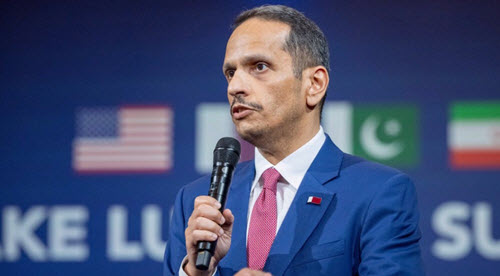
Qatar's Prime Minister and Minister for Foreign Affairs Sheikh Mohammed bin Abdulrahman bin Jassim Al Thani delivers a speech during a quadrilateral meeting between Iran, the United States, Pakistan and Qatar at the Burgenstock luxury hotel complex near Lake Lucerne, Switzerland, June 21, 2026. (Photo by AFP)
Qatari Prime Minister and Foreign Minister Sheikh Mohammed bin Abdulrahman Al Thani has called for an end to Israel’s occupation of areas in southern Lebanon, condemning the regime’s deadly attacks on the Arab country.
Speaking in an interview with Al Jazeera on Monday, Al Thani said Israel’s continued presence in Lebanese territory “must end” and stressed that Lebanon’s sovereignty “must be respected.”
He also denounced as “unacceptable” Israel’s killing of nearly 100 Lebanese over the past few days.
The Qatari prime minister further criticized Israeli prime minister Benjamin Netanyahu for fueling tensions, saying it was “not the first time” he had done so in the region.
The Tel Aviv regime has been furious over a temporary Tehran-Washington ceasefire that put a halt to the 40-day illegal US-Israeli war of aggression against Iran earlier this year.
On June 18, Iran and the US signed a Memorandum of Understanding (MoU) that calls for a permanent end to hostilities across all fronts, including Lebanon.
Since then, however, Israel has kept bombing Lebanon and occupying parts of the country’s south, where it has imposed a so-called “Yellow Line” — a coercive military buffer resembling the regime’s notorious control measures in the besieged Gaza Strip.
The occupation’s military escalated its strikes on Lebanon on Friday and Saturday, killing 105 people across the country.
Israeli attacks on Lebanon have killed more than 4,100 people and injured over 12,000 others since March 2, according to official Lebanese figures.
Additionally, Sheikh Mohammed urged caution regarding the talks between the United States and Iran, warning that “external circumstances” could still affect the negotiations despite the “will” demonstrated by both sides.
He said that the main objective of the Iran-US MoU is to stop the war and establish a framework for negotiations.
The deal, he added, creates an “institutional framework for the negotiating process” and requires both sides to “meet regularly” to resolve outstanding issues.
During the talks in Switzerland on Sunday and Monday, Iran and the US agreed to a roadmap towards a final deal within 60 days, while technical talks between lower-ranking officials will continue for the rest of the week.
The Qatari premier said the framework presented during the talks in Switzerland was “positive” and that technical discussions were continuing.
“The outcome of any agreement between Iran and the US would affect not only the two parties, but the region,” he noted.
Meanwhile, Sheikh Mohammed said that there is a “consensus” among the Persian Gulf Arab countries on pursuing dialogue with Iran, expressing hope that the current diplomatic momentum would also benefit Palestinians “through the achievement of a Palestinian state.”
Monday, 22 June 2026 5:27 PM [ Last Update: Monday, 22 June 2026 5:27 PM ]
https://www.presstv.ir/Detail/2026/06/2 ... on-Lebanon
Qatar's Prime Minister and Minister for Foreign Affairs Sheikh Mohammed bin Abdulrahman bin Jassim Al Thani delivers a speech during a quadrilateral meeting between Iran, the United States, Pakistan and Qatar at the Burgenstock luxury hotel complex near Lake Lucerne, Switzerland, June 21, 2026. (Photo by AFP)
Qatari Prime Minister and Foreign Minister Sheikh Mohammed bin Abdulrahman Al Thani has called for an end to Israel’s occupation of areas in southern Lebanon, condemning the regime’s deadly attacks on the Arab country.
Speaking in an interview with Al Jazeera on Monday, Al Thani said Israel’s continued presence in Lebanese territory “must end” and stressed that Lebanon’s sovereignty “must be respected.”
He also denounced as “unacceptable” Israel’s killing of nearly 100 Lebanese over the past few days.
The Qatari prime minister further criticized Israeli prime minister Benjamin Netanyahu for fueling tensions, saying it was “not the first time” he had done so in the region.
The Tel Aviv regime has been furious over a temporary Tehran-Washington ceasefire that put a halt to the 40-day illegal US-Israeli war of aggression against Iran earlier this year.
On June 18, Iran and the US signed a Memorandum of Understanding (MoU) that calls for a permanent end to hostilities across all fronts, including Lebanon.
Since then, however, Israel has kept bombing Lebanon and occupying parts of the country’s south, where it has imposed a so-called “Yellow Line” — a coercive military buffer resembling the regime’s notorious control measures in the besieged Gaza Strip.
The occupation’s military escalated its strikes on Lebanon on Friday and Saturday, killing 105 people across the country.
Israeli attacks on Lebanon have killed more than 4,100 people and injured over 12,000 others since March 2, according to official Lebanese figures.
https://www.presstv.ir/Detail/2026/06/20/770818/Civilian-toll-rises-in-Lebanon-as-Israeli-attacks-persist-despite-Iran-US-MoU
Civilian toll rises in Lebanon as Israeli attacks persist despite Iran-US MoU
Israel escalated its attacks on South Lebanon over the past three days.
‘External circumstances could affect Iran-US talks’
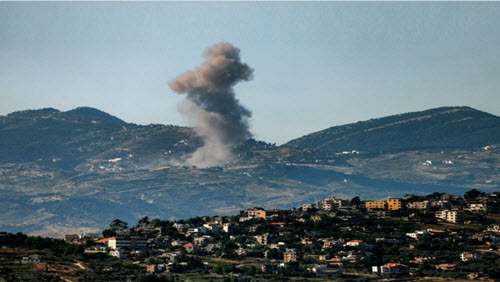
Additionally, Sheikh Mohammed urged caution regarding the talks between the United States and Iran, warning that “external circumstances” could still affect the negotiations despite the “will” demonstrated by both sides.
He said that the main objective of the Iran-US MoU is to stop the war and establish a framework for negotiations.
The deal, he added, creates an “institutional framework for the negotiating process” and requires both sides to “meet regularly” to resolve outstanding issues.
During the talks in Switzerland on Sunday and Monday, Iran and the US agreed to a roadmap towards a final deal within 60 days, while technical talks between lower-ranking officials will continue for the rest of the week.
The Qatari premier said the framework presented during the talks in Switzerland was “positive” and that technical discussions were continuing.
“The outcome of any agreement between Iran and the US would affect not only the two parties, but the region,” he noted.
Meanwhile, Sheikh Mohammed said that there is a “consensus” among the Persian Gulf Arab countries on pursuing dialogue with Iran, expressing hope that the current diplomatic momentum would also benefit Palestinians “through the achievement of a Palestinian state.”
- admin
- Site Admin
- Posts: 41470
- Joined: Thu Aug 01, 2013 5:21 am
Re: PART 3 ANTI-ANTI-NAZI BARBARIAN HORDES ARE KNOCKING DOWN
by admin » Mon Jun 22, 2026 10:42 pm
Pakistan defense minister: Iran-US agreement marks demise of Netanyahu
Monday, 22 June 2026 8:23 PM [ Last Update: Monday, 22 June 2026 10:25 PM ]
https://www.presstv.ir/Detail/2026/06/2 ... -Netanyahu
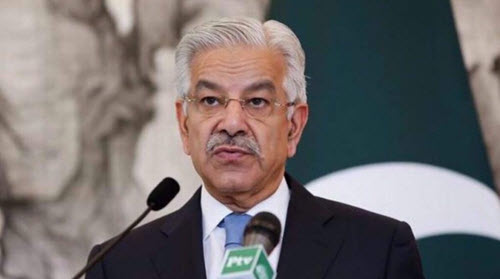
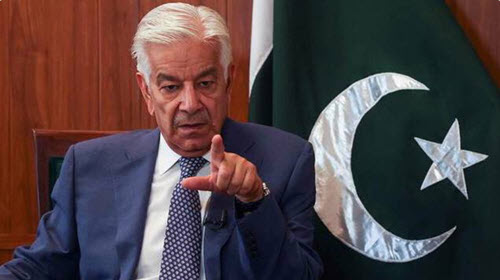
Pakistan’s Defense Minister Khawaja Muhammad Asif
Pakistan’s Defense Minister Khawaja Muhammad Asif has stated that the emerging agreement between Iran and the United States represents a major blow to the Zionist regime and could spell the political demise of Israeli prime minister Benjamin Netanyahu.
Iranian President Masoud Pezeshkian and US President Donald Trump formally signed a 14-point Islamabad memorandum of understanding (MoU) on June 18, with the text finalized and the agreement officially in effect, following months of intensive negotiations mediated by Pakistan, with support from other regional countries.
Under the MoU, the two sides have entered a 60-day negotiation period, with the goal of reaching a comprehensive final agreement.
The MoU calls for a permanent end to hostilities across all fronts, including Lebanon, phased lifting of US sanctions, removal of the naval blockade on Iran, and restoration of commercial traffic through the Strait of Hormuz within 30 days.
Commenting on the development, Pakistan’s Defense Minister Asif said on Monday the Zionist regime is actively working to sabotage the Iran-US agreement.
He warned that the successful conclusion of the deal would not only end Netanyahu’s political career but could also lead to his legal accountability and imprisonment.
“The Zionist regime is desperate to derail the peace agreement between the United States and Iran,” Asif said.
“Reaching this understanding can bring about the political demise of Netanyahu and may even result in his arrest,” he said.
The Pakistani defense minister further said Western powers are complicit in the Zionist regime’s crimes, stating that its Western allies have been partners in the genocide being carried out in the occupied West Bank, Gaza, and Lebanon.
Asif’s remarks come amid significant progress in talks between Tehran and Washington, with Pakistan playing a notable diplomatic role in facilitating dialogue between the two sides.
In earlier statements, he has described Netanyahu’s criminal actions as an attempt to divert global attention from the genocide in Gaza by launching attacks on Iran.
He has also compared Netanyahu’s conduct unfavorably to historical tyrants, calling his policies responsible for plunging the region into one of the worst humanitarian tragedies in modern history.
Pakistan has repeatedly condemned Israeli aggression and expressed strong support for Iran’s right to defend its sovereignty.
The Pakistani defense minister’s latest comments align with Islamabad’s long-standing position that regional stability cannot be achieved while the Netanyahu regime continues its campaign of death and destruction with the backing of Western powers.
Monday, 22 June 2026 8:23 PM [ Last Update: Monday, 22 June 2026 10:25 PM ]
https://www.presstv.ir/Detail/2026/06/2 ... -Netanyahu
Pakistan’s Defense Minister Khawaja Muhammad Asif
Pakistan’s Defense Minister Khawaja Muhammad Asif has stated that the emerging agreement between Iran and the United States represents a major blow to the Zionist regime and could spell the political demise of Israeli prime minister Benjamin Netanyahu.
Iranian President Masoud Pezeshkian and US President Donald Trump formally signed a 14-point Islamabad memorandum of understanding (MoU) on June 18, with the text finalized and the agreement officially in effect, following months of intensive negotiations mediated by Pakistan, with support from other regional countries.
Under the MoU, the two sides have entered a 60-day negotiation period, with the goal of reaching a comprehensive final agreement.
The MoU calls for a permanent end to hostilities across all fronts, including Lebanon, phased lifting of US sanctions, removal of the naval blockade on Iran, and restoration of commercial traffic through the Strait of Hormuz within 30 days.
Commenting on the development, Pakistan’s Defense Minister Asif said on Monday the Zionist regime is actively working to sabotage the Iran-US agreement.
He warned that the successful conclusion of the deal would not only end Netanyahu’s political career but could also lead to his legal accountability and imprisonment.
“The Zionist regime is desperate to derail the peace agreement between the United States and Iran,” Asif said.
“Reaching this understanding can bring about the political demise of Netanyahu and may even result in his arrest,” he said.
The Pakistani defense minister further said Western powers are complicit in the Zionist regime’s crimes, stating that its Western allies have been partners in the genocide being carried out in the occupied West Bank, Gaza, and Lebanon.
Asif’s remarks come amid significant progress in talks between Tehran and Washington, with Pakistan playing a notable diplomatic role in facilitating dialogue between the two sides.
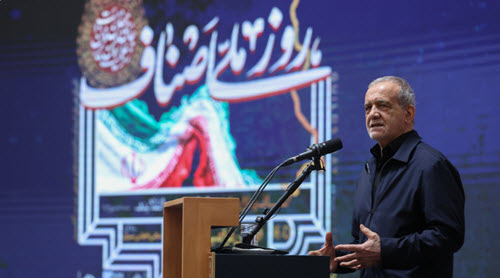
https://www.presstv.ir/Detail/2026/06/22/770918/Iran-Pezeshkian-rights-demands
Pezeshkian: Iran will not yield to excessive demands, or tolerate suppression of its people's rights
The Iranian president says Tehran will never bow to excessive demands or accept the disregard of its people
Khawaja Asif has been one of the most vocal Pakistani officials in condemning Israeli crimes in recent months.
In earlier statements, he has described Netanyahu’s criminal actions as an attempt to divert global attention from the genocide in Gaza by launching attacks on Iran.
He has also compared Netanyahu’s conduct unfavorably to historical tyrants, calling his policies responsible for plunging the region into one of the worst humanitarian tragedies in modern history.
https://www.presstv.ir/Detail/2026/06/22/770918/Iran-Pezeshkian-rights-demands
Pakistani defense minister blasts Israel over genocide in Lebanon
Pakistan’s Defense Minister Khawaja Muhammad Asif has blasted the Israeli regime as “evil and a curse for humanity."
Pakistan has repeatedly condemned Israeli aggression and expressed strong support for Iran’s right to defend its sovereignty.
The Pakistani defense minister’s latest comments align with Islamabad’s long-standing position that regional stability cannot be achieved while the Netanyahu regime continues its campaign of death and destruction with the backing of Western powers.
- admin
- Site Admin
- Posts: 41470
- Joined: Thu Aug 01, 2013 5:21 am
Re: PART 3 ANTI-ANTI-NAZI BARBARIAN HORDES ARE KNOCKING DOWN
by admin » Mon Jun 22, 2026 10:49 pm
US Treasury issues waiver for Iranian oil exports under Islamabad MoU
Monday, 22 June 2026 2:00 PM [ Last Update: Monday, 22 June 2026 2:32 PM ]
https://www.presstv.ir/Detail/2026/06/2 ... ons-waiver
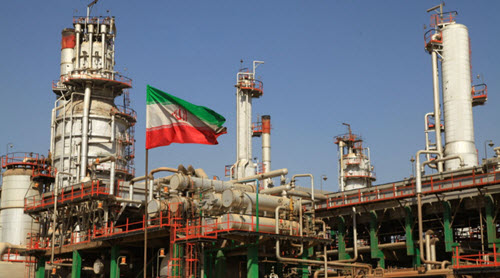
File photo shows an Iranian flag at an unidentified oil facility in Iran.
The United States has authorized the production, delivery and sale of Iranian oil for 60 days, implementing a key provision of a recent memorandum of understanding between Washington and Tehran aimed at advancing talks toward a final agreement.
The waiver, announced Monday by the US Treasury Department, allows the production, delivery and sale of Iranian-origin crude oil, petrochemicals and petroleum products through Aug. 21.
The move comes days after Iran and the United States reached an Islamabad-mediated understanding and follows intensive talks in Switzerland focused on implementing the accord.
Treasury Secretary Scott Bessent said the measure was issued as part of the framework agreed between the two sides.
"In line with the ongoing productive talks in Switzerland, Iran has committed to free and open transit in the Strait of Hormuz," he wrote, also claiming that Iran will permit International Atomic Energy Agency (IAEA) inspectors into the country.
"As part of the framework, Treasury has issued a temporary 60-day general license authorizing the production, delivery, and sale of Iranian oil."
Under the memorandum signed last week, Washington agreed to grant waivers for the export of Iranian crude oil, petroleum products and derivatives, along with associated services, including banking transactions, insurance and transportation.
The license also authorizes transactions involving the importation of Iranian-origin crude oil, petrochemical products and petroleum products into the United States when necessary to complete their sale or delivery.
Iranian officials had repeatedly stressed that implementation of the understanding would be judged on the basis of concrete actions rather than declarations.
Foreign Minister Abbas Araqchi said earlier Monday that progress had been achieved through Pakistani and Qatari mediation, noting that restrictions on Iran's oil and petrochemical exports had been waived.
Meanwhile, Tehran said its delegation had concluded nearly 18 hours of discussions in Switzerland with mediators from Qatar and Pakistan, as well as direct talks with the American side.
According to Foreign Ministry spokesman Esmaeil Baghaei, one of the key provisions discussed was the clause guaranteeing Iran's ability to sell oil and petrochemical products during the 60-day negotiation period.
Baghaei said future negotiations would proceed under a "commitment for commitment" framework, under which Iran would closely monitor the implementation of US obligations while continuing expert-level discussions.
Monday, 22 June 2026 2:00 PM [ Last Update: Monday, 22 June 2026 2:32 PM ]
https://www.presstv.ir/Detail/2026/06/2 ... ons-waiver
File photo shows an Iranian flag at an unidentified oil facility in Iran.
The United States has authorized the production, delivery and sale of Iranian oil for 60 days, implementing a key provision of a recent memorandum of understanding between Washington and Tehran aimed at advancing talks toward a final agreement.
The waiver, announced Monday by the US Treasury Department, allows the production, delivery and sale of Iranian-origin crude oil, petrochemicals and petroleum products through Aug. 21.
The move comes days after Iran and the United States reached an Islamabad-mediated understanding and follows intensive talks in Switzerland focused on implementing the accord.
Treasury Secretary Scott Bessent said the measure was issued as part of the framework agreed between the two sides.
"In line with the ongoing productive talks in Switzerland, Iran has committed to free and open transit in the Strait of Hormuz," he wrote, also claiming that Iran will permit International Atomic Energy Agency (IAEA) inspectors into the country.
"As part of the framework, Treasury has issued a temporary 60-day general license authorizing the production, delivery, and sale of Iranian oil."
Under the memorandum signed last week, Washington agreed to grant waivers for the export of Iranian crude oil, petroleum products and derivatives, along with associated services, including banking transactions, insurance and transportation.
https://www.presstv.ir/Detail/2026/06/22/770902/Iran-leaves-United-States-talks-Zurich
Iran delegation leaves Zurich; technical talks to continue under ‘commitment for commitment’ framework
The Iranian delegation, which had traveled to Switzerland for talks on implementation of a mutual memorandum of understanding with the US, leaves Zurich.
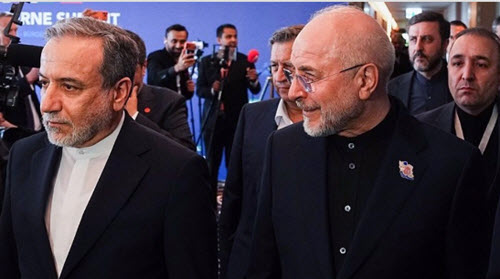
The license also authorizes transactions involving the importation of Iranian-origin crude oil, petrochemical products and petroleum products into the United States when necessary to complete their sale or delivery.
Iranian officials had repeatedly stressed that implementation of the understanding would be judged on the basis of concrete actions rather than declarations.
Foreign Minister Abbas Araqchi said earlier Monday that progress had been achieved through Pakistani and Qatari mediation, noting that restrictions on Iran's oil and petrochemical exports had been waived.
Meanwhile, Tehran said its delegation had concluded nearly 18 hours of discussions in Switzerland with mediators from Qatar and Pakistan, as well as direct talks with the American side.
According to Foreign Ministry spokesman Esmaeil Baghaei, one of the key provisions discussed was the clause guaranteeing Iran's ability to sell oil and petrochemical products during the 60-day negotiation period.
Baghaei said future negotiations would proceed under a "commitment for commitment" framework, under which Iran would closely monitor the implementation of US obligations while continuing expert-level discussions.
- admin
- Site Admin
- Posts: 41470
- Joined: Thu Aug 01, 2013 5:21 am
Re: PART 3 ANTI-ANTI-NAZI BARBARIAN HORDES ARE KNOCKING DOWN
by admin » Mon Jun 22, 2026 11:06 pm
Source: US Claim on IAEA Inspectors' Return to Iran 'False, Baseless'
by @esarmesarmesarm
Fars News Agency Iran
11:05 - 22 June 2026
https://farsnews.ir/esarmesarmesarm/1782147908503358403
A knowledgeable source has rejected American officials' claims that International Atomic Energy Agency inspectors have been allowed back into Iran, calling the assertion completely untrue.
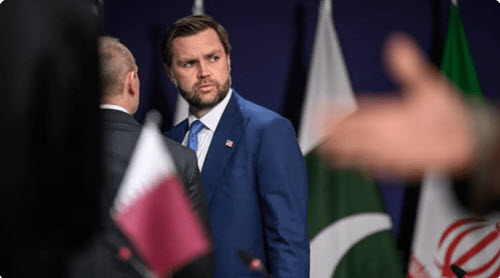
The source told Fars News Agency that during the Switzerland talks between Iran and the United States, no discussion whatsoever took place regarding the presence of inspectors in the country.
On Monday evening, the US Vice President and the US Treasury Secretary claimed that Tehran had agreed to allow IAEA inspectors back into the country.
Meanwhile, Iranian Foreign Ministry Spokesman Esmail Baqaei told reporters: "Iran's interactions with the agency will continue in accordance with Iran's obligations under safeguard agreements, following existing procedures and in line with the approvals of the Islamic Consultative Assembly (Parliament) and decisions of the Supreme National Security Council."
According to officials familiar with the content of yesterday's Iran-US talks in Switzerland, Tehran did not engage in any nuclear-related negotiations during the 18-hour session and accepted no new commitments.
The initiation of nuclear talks under the Islamabad Memorandum framework for ending the war between Iran and the United States remains contingent upon the implementation of Clause 13 of the memorandum.
Over the past year, Iran's cooperation with the IAEA—even following the 12-day war—has never been fully suspended.
Within the framework of the "Law Requiring the Government to Suspend Cooperation with the IAEA," passed on June 25, 2025, Tehran has, on a case-by-case basis and in accordance with Supreme National Security Council resolutions, invited IAEA inspectors to visit Iran's active nuclear sites.
In the year since the law's enactment, IAEA inspectors—with Supreme National Security Council approval—have conducted several inspections of the Bushehr nuclear power plant and have monitored the fuel-loading process at the facility by Russia.
by @esarmesarmesarm
Fars News Agency Iran
11:05 - 22 June 2026
https://farsnews.ir/esarmesarmesarm/1782147908503358403
A knowledgeable source has rejected American officials' claims that International Atomic Energy Agency inspectors have been allowed back into Iran, calling the assertion completely untrue.
The source told Fars News Agency that during the Switzerland talks between Iran and the United States, no discussion whatsoever took place regarding the presence of inspectors in the country.
On Monday evening, the US Vice President and the US Treasury Secretary claimed that Tehran had agreed to allow IAEA inspectors back into the country.
Meanwhile, Iranian Foreign Ministry Spokesman Esmail Baqaei told reporters: "Iran's interactions with the agency will continue in accordance with Iran's obligations under safeguard agreements, following existing procedures and in line with the approvals of the Islamic Consultative Assembly (Parliament) and decisions of the Supreme National Security Council."
According to officials familiar with the content of yesterday's Iran-US talks in Switzerland, Tehran did not engage in any nuclear-related negotiations during the 18-hour session and accepted no new commitments.
The initiation of nuclear talks under the Islamabad Memorandum framework for ending the war between Iran and the United States remains contingent upon the implementation of Clause 13 of the memorandum.
Over the past year, Iran's cooperation with the IAEA—even following the 12-day war—has never been fully suspended.
Within the framework of the "Law Requiring the Government to Suspend Cooperation with the IAEA," passed on June 25, 2025, Tehran has, on a case-by-case basis and in accordance with Supreme National Security Council resolutions, invited IAEA inspectors to visit Iran's active nuclear sites.
In the year since the law's enactment, IAEA inspectors—with Supreme National Security Council approval—have conducted several inspections of the Bushehr nuclear power plant and have monitored the fuel-loading process at the facility by Russia.
- admin
- Site Admin
- Posts: 41470
- Joined: Thu Aug 01, 2013 5:21 am
Re: PART 3 ANTI-ANTI-NAZI BARBARIAN HORDES ARE KNOCKING DOWN
by admin » Tue Jun 23, 2026 3:38 am
The Dark Secret Trump Buried BENEATH the Pool EXPOSED!
The Loren Piretra Show
Jun 22, 2026
We have a president who cannot tell green from blue, blaming Democratic algae Antifa, and arresting Olympians to cover for it. That alone would be enough for me to phone it in for the rest of the week… but that’s barely the opener. Because behind the green water and the arrests and blaming Democrats for literally everything, there is one character behind all of this. It is so Sopranos-coded you will swear I, I’m joking. Unfortunately, I'm not, because he's real and he’s the real reason for this reflecting pool debacle; it's like sinking bodies in the Hudson, but instead, it's a reflecting pool and this large man walking off with a pile of your money.
About LP TV:
Want to understand what’s actually happening in politics and culture without falling asleep halfway through? I’ve got you. On The Loren Piretra Show, I cut through the noise, the spin, and the nonsense to give you real insight with a side of deeply dry humor.
Transcript
They are hiding bodies at the bottom of the reflecting pool. Trump is up to some
Sopranos level [ __ ] This whole disaster of a situation is all a cover up for con man Donnie.
Who's surprised? I'm not. I mean, well, I did see this weekend that Joe Biden, sleepy Joe Biden,
was seen ripping off paint from the reflecting pool. He was down there. I saw him down there with
Kla Harris and Gavin Newsome and he had a snorkel mask on and he was pouring buckets of algae into
the reflecting pool. It was all sleepy Joe Biden the whole time. So, thank God the National Guard is there along with the local police. They've been dispatched to the Lincoln Memorial reflecting
pool to guard the algae. It was truly truly the dumbest of times. So, as you can see, the algae
is marked safe from Joe Biden. Well done. This is what America This is what America's all about.
Protecting property over human life. In a country where one in five kids goes hungry, when I think
1 minuteabout what I want my hard-earned tax dollars to go to, it is absolutely into the pockets of Trump and
his billionaire mafia buds, making them a little richer while we knock down national monuments. You
know, why not? Those kids freeloaders, they should earn some personal responsibility. Get a job,
earn your own health care. Feeding them would be way too liberal of us. It's way better to
wire the money straight to Trump's friends, which is surprise what this whole reflecting pool thing is actually about. But I need you to hold that thought because money is just the back half of
this story. First, you need to watch a grown president lose a fight with a pond. The pool,
it's filled up with algae. Everyone on Earth could see it. Trump said, "No, the water is
blue. Blue is the sky." While in fact, the water is green. Jets green. It is swamp green. So, he
switched to plan B, which has naturally blame the Democrats. Joe Biden was pouring buckets of algae
into the pool. For real. He really leaned in to sell it. So much so that the National Guard posted
up to protect a bunch of slime. and he had park police slapping handcuffs on a 67-year-old Olympic
athlete who made a mistake of touching some paint. So, we have a president who cannot tell green from
blue. He's blaming Democratic algae Antifa and arresting Olympians to cover for it. That alone
would be enough for me to just like phone it in for the rest of the week, but that's barely the opener because behind the green water and the arrests and the blaming Democrats for literally
everything, there is one character behind all of this. And this character is so Sopranoscoded, you
will swear I'm joking. And unfortunately, I'm not. And I'm going to share the lore that you haven't heard yet because this person is real and he's the real reason for this reflecting pool debacle.
It's like we're sinking a bunch of bodies in the bottom of the Hudson. It is truly some Sopranos's
garbage. And this man is walking off with a pile of your money and my money, too. And real quick,
I'm Lauren Peritra. Will Peritra is really ready to toss the ball. But before we go any further,
today's episode is dedicated to the memory of Ducky. Ducky was by every account a really good
duck, a great duck, a loyal, hardworking Duck. asked very little for a duck. Ducky
saw a freshly renovated reflecting pool. He may have been attracted to the American flag blue,
the $14 million American flag blue national treasure. So Ducky did what any patriot would
do. Ducky went for a swim. And what Ducky did not know was that the water had been turned into
a chemical soup by uh the dumbest, most adult man in our society. the most adult presidential
man that our nation has ever produced. And all of them, everyone in the administration taking orders
from this feckless cult leader. Ducky trusted his government. That was mistake number one for
Ducky. And unfortunately, he only had one. That algae, it took him. He was somebody's son. So,
if we could have a moment today and hit subscribe to pay your respects, it cost you nothing, which
is more than this administration can say about the pool. It's cost you a lot. Ducky would have wanted you to stay informed. So, let's get into it. I'm going to start from the beginning. The reflecting
pool, it was fine. It had been sitting there for over a hundred years doing one job, just being a reflecting pool. Nobody on earth was asking for it to ever be touched. Nobody needed a different
shade of nail polish on it. But Trump wanted an American flag blue for the country's 250th
birthday and for his Pride Parade spin-off. $40 million of your money went into this rush job with
nobody in the room who's ever seen algae before. So within days, the pool turned green. The paint
started peeling off from the bottom in sheets big enough that random people were pulling chunks out
with kitchen tongs at the nation's monument. The White House said the water was crystal clear.
It was the color of a fish tank nobody had cleaned since 2021. They said it on camera and they did
this while photos were readily available. The photos went viral. Late night hosts ate that
[ __ ] up for days and the whole country just were just like this is just the epitome of the Trump
administration. So then Trump moved on to phase two and here's what actually happened. And it's so
basic it almost hurts. You paint a shallow outdoor pool a dark color in warm weather without prepping
the surface, right? What's going to happen? Algae grows. Then you dump hydrogen peroxide
in to kill the algae. And what's that going to do to the paint? It's going to loosen the paint. The
6 minutespaint peels and floats to the top. Scientists at the Atlantic paid for lab testing and found that
algae was shanned, one of the most common types on the planet. It grows in warm, sunny, shallow
maga water, patriotic water. Any eighth grader with a fish tank could have told them this. Did
the hydrogen peroxide poured into the reflecting pool to kill the algae that was stopping people
from appreciating the nice blue paint cause the paint to peel off in chunks? Yeah, probably.
Can they fix it without draining the pool? No, probably not. So, this is hydrogen peroxide, H2O2.
And the reason why it is stored in a container that doesn't let light in is because when UV
from the sun hits that bond between the two O's, this happens. That is the boring true version.
Naturally, this is not what they went with. Instead, they went with something more like this.
Just in, another man detained, accused of ripping the Lincoln reflecting pool sealant off the bottom
of the pool. Leftists are seriously mentally deranged. They were always going to try to revert
it back to filth. Major TDS. So, I'm so serious when I say according to this, leftists and Antifa
were sneaking into the federal monument under the cover of darkness to pour buckets of algae that we
just had lying around into the reflecting pool. That's their official theory now. And of course, Scott Jennings is losing his [ __ ] mind. Well, regarding the vandalism, that's absolutely true.
Somebody did vandalize the grass, even when workers were working on the reflecting pool. I think I read that people came and vandalized their trucks and their equipment. Uh, look, you have
people that hate Donald Trump so much that they would go out and destroy our national monuments, vandalize Lincoln Memorial, vandalize the grass. That's how brokenrained they are. Donald Trump
has cleaned up Washington. The fountains work. The city is clean. the city is safe. It's good that he has taken an interest in this. And you have these people out here who are so broken about the fact
that he's the president that they're spending their time vandalizing all this stuff. I think it's terrible. And I hope anybody who vandalizes our monuments, I hope they get caught. I hope they
get put in jail. He's trying to make the city beautiful for America 250. There's going to be a lot of people in Washington. They deserve to go to a clean, safe capital. And that's
what he's trying to do. Imagine having to work with Scott Jennings. exactly exactly how my face
would look if I had to work with that lunatic. So he tweeted, "Imagine hating Donald Trump so much
that you decide to vandalize the Lincoln Memorial and trash the grass around the reflecting pool. Absolutely broken brain behavior." Scott, I agree. Somebody's brain is definitely broken here. Let's
workshop who's you have a pool that turned green on its own. Shout out to science and nature. came
from sunlight, warm water, rushed paint job, a dirty con man. And the conclusion you landed on
is liberals love hating Trump so much that they drove to the National Mall to attack a lawn. The
grass. We are We're coming for the grass. Now that's the threat. So nobody keyed the Lincoln Memorial because they weren't mad about that. They were mad about a pool. Sit down, Scott
Jennings. We can't with this. And of course, an account called Blue Lives Matter had a post about
green-haired liberals and uh dirt bike people doing this, too. Right now, happening right now,
DC police have started making felony arrests after greenhaired liberals entered into the reflecting
pool and began dumping loads of live algae into it. They're also intentionally peeling the paint
from the pool as Antifa anarchists cause chaos on dirt bikes in an attempt to distract from
law enforcement. We're told law enforcement from the area is descending on the pool. Now,
just remember these cops, these National Guards, they are not there to protect you. They are there
to arrest you. They are there to hit their quotas. They are there to protect property above anything
else. So greenhaired liberals dumping live algae. My hair would be green if I was swimming in that [ __ ] thing. Anarchists on dirt bikes. Give me a break. I need everyone in the back to hear
this. Clearly nobody's breaking into your pool. Nobody wants your little petri dish experiment. Nobody on the left woke up and thought, "You know what? You know what would advance the cause here?
Sabotaging a duck pond at the National Mall. Nobody cares about your petri dish experiment.
You s self-sabotage this one entirely on your own. Your algae is not a political prisoner. It's just
algae growing in exact conditions. Algae grows. Then you built this. You did this. I need to tell
you about a 52-year-old man from Houston who just lost his life savings to somebody pretending to be his bank. This man did everything right. And in just a moment, his safety net became
his trap. His name was Paul Shendel. And one day he got a call from somebody claiming to be Wells Fargo. The caller knew his account details. Then a woman showed up at his door, took his debit card,
and cut it up right in front of him. He thought that meant he was protected. But he wasn't. He
lost $6,800. Everything he had. And when Wells Fargo told him he probably wouldn't get reimbured,
he had a heart attack and died the next day. These scams are smart and they're designed to look real
because that's how they work. There's no red flags or typos. just one message that feels routine. And
everyone tells you the same things. Use strong passwords, enable two factor authentication, set up those bank alerts, get a password manager. And honestly, those things help. But here's what
nobody talks about. How your passwords, alerts, and security apps are doing exactly what they're
supposed to do right before you lose everything. Your bank alerts don't get your money back. Your
password manager does not prevent fraud. You're not actually protected. you're just more informed
about your loss. So that's why I switched to Coveron. It's more than just prevention. It's got
real-time response and actual financial backup. Coveron continuously monitors your personal data
and accounts for signs of exposure or misuse. So when something goes wrong, you get alerts,
you get recovery support, and you get access to experts who actually help you secure your accounts before it becomes a full-blown takeover. And if the money is already gone, you're covered for up
to $10,000 in online fraud loss because you don't need notifications telling you you're screwed.
You need actual financial protection. So, use code LPTV for 76% off. I'll include the link in
the description and pinned in the comments. Don't wait until a story like Paul's becomes your story. Protect yourself now. And the crazy thing about MAGA is you can literally tell them anything.
Joe Biden's down there with a snorkel mask on and they're going to parrot it back as gospel. This
is the thing about Trump. When Trump cannot deny something, he finds somebody else to blame. And
the base repeats whatever he says first. The pool was first fine, then the pool was blue as the sky,
then the pool was a liberal attack. Same crowd that watched Tulsi Gabbert suggest Anthony Fouchy,
Dr. Fouchy personally cooked up CO 19 in a lab and just nodded along. Erica Kirk, of course,
is tweeting this [ __ ] to distract from her own drama. Before the COVID pandemic, Dr. Fouchy, as head of the National Institute of Allergy and Infectious Diseases,
provided millions in US taxpayer dollars to fund dangerous gain of function research on bat corona
viruses at the Wuhan Institute of Viology. work which is now widely viewed as the source of the
unintentional lab leak that sparked the pandemic. Now, in support of President Trump's maximum
transparency mandate, today on my final day as director of national intelligence, I'm releasing
never-beforeseen communications and documents that expose exactly how Fouchi worked with
politicized career leadership in the intelligence community to suppress the truth about his actions.
When Trump says this is what's going down, just know that they are counting on everyone around
him to be dumb as dog [ __ ] And I need you to hold on to that because it matters a lot
once you see where the money actually landed. And once you invent an attack like this with Trump,
you need attackers. So they're saying liberals, green-haired liberals found on bicycles. Well,
they're now arresting American Olympic athletes. The United States police have arrested multiple
individuals for vandalizing our nation's magnificent reflecting pool. Who would do
such a thing? These are very serious crimes having to do with the destruction of national monuments,
years in jail. Work will begin immediately on its repair. Bro, you did this. You destroyed it.
David Hearn is 67 years old, a twotime world champion, and threetime Olympian. On Friday,
he was 52 miles into a bike ride when he stopped to look at the pool because he had read about it
on the news like the rest of us, and he had seen a piece of blue liner already coming loose at the
bottom, and reached out to touch it. Park police cuffed him, held him for five hours, and charged
him with the destruction of government property. Trump went online and said, "People like Hearn
deserved years in jail. Give me a [ __ ] break." Some of you lunatics on Twitter believe that,
too. So reporters at W USA9 had been standing at the same pool for days watching people peel off
paint with kitchen tongs and nobody got arrested but a retired Olympic canoist from Bethesda on a
leisurely 52-mile ride in his late 60s was the sabotar of the story they needed. Hearn said I
didn't vandalize anything after his release. He said, "By the time I realized what was going on, I was already being put in handcuffs." And this is where your tax dollars went. Instead of those
school lunches, a giant green petri dish on the National Mall, and a handcuffed senior citizen,
money well spent, right? So now Trump is losing his freaking mind. The man signing off on all this
is clearly severely adult. It's now been since Donald Trump posted this odd image on Truth
Social of a woman saying, "Great daughter, my honor, President DJT. This is neither his daughter nor his granddaughter, nor does it appear to be anyone related to him." And people on Truth Social
are now asking, "Who the hell is this?" They're just confused. Did Donald Trump mean to post a picture of his daughter, Ivanko or Tiffany? They have blonde hair. And post a picture of someone
else. No one really knows or no one has confirmed who this image is of. It's still up to this moment
and people are saying this is an example of the president of the United States sun downing given the fact that he may have just posted an image of just some random woman thinking it was his
daughter or someone related to him. No one knows why he posted this. It's still up. Republicans on
Truth Social are confused. Literally, Aaron, what are we freaking doing here? He can't even win a
war against algae. So, for for some additional context, Trump posted this on his little truth
social on the eve of Father's Day. It was a photo of a woman captioned, "Great daughter, my honor."
One problem, though, that's not Ivanka or Tiffany. It's just a blonde woman. He was publicly paying
tribute to this woman who is neither of his actual daughters. So, we've looked into some videos. We
found out who this woman likely is. Why did he post this? Is he really just sundowning
so hard? The photo is Margot Casti Matidis and it's a billionaire's wife. And in a photo that
appears to be taken at Camp David sometime during the Clinton administration, why is he posting a 30-year-old picture of a stranger and saying it's his daughter? One of the main signs of dementia
is confusing people for family members. This is not a one-off. Trump posted 861 times last month,
averaging 27 posts a day, just over once an hour, every hour. That includes also images, uh, AI
generated memes, meltdowns about his pet project, a war in Iran, and a picture of himself lounging
shirtless in a pool floaty in the Lincoln Memorial reflecting pool next to a bikini cloud woman.
Even his own analyst thinks he is not the one posting. One noted he must have told some staffer to post it and nobody told him that is not your daughter or they did and he didn't
listen. We've also covered in great detail the woman who is likely the button presser for him. And Rosie O'Donnell's been saying this for months. People are inexplicably afraid of
him and his quote unquote power, but he is one of the most mediocre men ever in public office.
and he is right now so addled by his physical form that we have to remove him. Period. Rosie's been
saying this for a long time. She keeps getting written off as dramatic as women always do, but the man has spelled pool with two L's in recent times in an official statement. and
now he's arresting and celebrating arrests that police haven't confirmed and uh compared cleaning
a pond to sinking the Iranian Navy. So, the right always screaming about fraud and waste and mental
fitness. They haven't seemed to have found one minute to take a look at their own president who
does not appear to know what day it is, what the color blue is, or which woman is his daughter. So,
who actually walked away with the money for this? What really is behind this reflecting pool? Here's
the part that turns this from a slapstick pool failure into something a whole lot worse. Smells
like [ __ ] to me. The 1.7 million no bid contract to install the water purification system went to
a company called Greenwater Services based in Brookfield, Ohio. They of course did no bidding
for this. There was no RFP process, just a direct federal award to a company literally
named Greenwater. The irony is not lost on me there. And they were hired to keep a pool from
turning green. Greenwater is owned by the JJ Kafaro Investment Trust run by John Kafo. Damn,
that reflecting pool is not looking good. I wonder what kind of person they hired to do this.
No, that that can't that can't be him. What joke could I possibly make that this man's
face is not already making? When an anime depicts like an evil American businessman, it's legitimately less insulting than this guy's actual physical appearance. This is
a comic book villain who's been in jail multiple times for bribing members of the government. Oh,
that happened in real life, too. Okay. All right. Yeah, whatever. Trump has personally called him a fantastic man who made a lot of money in Cleveland. Here is the fantastic man's
resume. He donated $2,500,000 to Trump in 2020 and another 100,000 in 2024. He is a neighbor of
Trump's Mara Lago Club in Florida and he carries not one but two federal convictions. In 2021,
22 minuteshe pleaded guilty to bribing former Congressman James Traffickant. And in 2020, he pleaded guilty
to a campaign finance crime. So, he has bribery convictions and he got a no bid contract from the
man he now bribes legally through donations. The Interior Department swears the company was chosen
because it had the expertise, the workforce, and the materials, and that the White House was not
involved. The expertise produced a green cest pool, which is outstanding. And he clearly had
no idea what he's doing, which is kind of the whole point. You do not hand $1.7 million to a
mall developer with felonies on his record because he's the best guy in America. You handed him that
money because the money needs somewhere to go and he is a friendly face to send it to. Then a second
firm pulled in 14.7 million also no bit to coat the pool floor in blue waterproofing material.
That paint is already peeling. It was peeling from the moment they put the water back in it.
over 16 million with no competition and there was zero oversight and they were moving so fast
to quiet the people inside Trump's circle with a July 4th deadline. So they do this and there's no time to clear background checks. This is what fraud actually looks like, guys. This is not a
hungry kid getting a little school lunch. This is a donor with multiple felonies getting millions
to turn a national landmark into Trump's little swamp. And the president thinks this stranger
is his daughter and a fantastic man from Mara Lago is cash in the check. So please let's continue to follow the money. Follow me. I am I am Lauren P across all socials
except for Twitter where I am Lauren Peritra. Find us on Spotify, Apple Podcast, iHeart, wherever you listen. And um do it for Ducky. Rest in peace Ducky. May you find your peace.
The Loren Piretra Show
Jun 22, 2026
We have a president who cannot tell green from blue, blaming Democratic algae Antifa, and arresting Olympians to cover for it. That alone would be enough for me to phone it in for the rest of the week… but that’s barely the opener. Because behind the green water and the arrests and blaming Democrats for literally everything, there is one character behind all of this. It is so Sopranos-coded you will swear I, I’m joking. Unfortunately, I'm not, because he's real and he’s the real reason for this reflecting pool debacle; it's like sinking bodies in the Hudson, but instead, it's a reflecting pool and this large man walking off with a pile of your money.
About LP TV:
Want to understand what’s actually happening in politics and culture without falling asleep halfway through? I’ve got you. On The Loren Piretra Show, I cut through the noise, the spin, and the nonsense to give you real insight with a side of deeply dry humor.
Transcript
They are hiding bodies at the bottom of the reflecting pool. Trump is up to some
Sopranos level [ __ ] This whole disaster of a situation is all a cover up for con man Donnie.
Who's surprised? I'm not. I mean, well, I did see this weekend that Joe Biden, sleepy Joe Biden,
was seen ripping off paint from the reflecting pool. He was down there. I saw him down there with
Kla Harris and Gavin Newsome and he had a snorkel mask on and he was pouring buckets of algae into
the reflecting pool. It was all sleepy Joe Biden the whole time. So, thank God the National Guard is there along with the local police. They've been dispatched to the Lincoln Memorial reflecting
pool to guard the algae. It was truly truly the dumbest of times. So, as you can see, the algae
is marked safe from Joe Biden. Well done. This is what America This is what America's all about.
Protecting property over human life. In a country where one in five kids goes hungry, when I think
1 minuteabout what I want my hard-earned tax dollars to go to, it is absolutely into the pockets of Trump and
his billionaire mafia buds, making them a little richer while we knock down national monuments. You
know, why not? Those kids freeloaders, they should earn some personal responsibility. Get a job,
earn your own health care. Feeding them would be way too liberal of us. It's way better to
wire the money straight to Trump's friends, which is surprise what this whole reflecting pool thing is actually about. But I need you to hold that thought because money is just the back half of
this story. First, you need to watch a grown president lose a fight with a pond. The pool,
it's filled up with algae. Everyone on Earth could see it. Trump said, "No, the water is
blue. Blue is the sky." While in fact, the water is green. Jets green. It is swamp green. So, he
switched to plan B, which has naturally blame the Democrats. Joe Biden was pouring buckets of algae
into the pool. For real. He really leaned in to sell it. So much so that the National Guard posted
up to protect a bunch of slime. and he had park police slapping handcuffs on a 67-year-old Olympic
athlete who made a mistake of touching some paint. So, we have a president who cannot tell green from
blue. He's blaming Democratic algae Antifa and arresting Olympians to cover for it. That alone
would be enough for me to just like phone it in for the rest of the week, but that's barely the opener because behind the green water and the arrests and the blaming Democrats for literally
everything, there is one character behind all of this. And this character is so Sopranoscoded, you
will swear I'm joking. And unfortunately, I'm not. And I'm going to share the lore that you haven't heard yet because this person is real and he's the real reason for this reflecting pool debacle.
It's like we're sinking a bunch of bodies in the bottom of the Hudson. It is truly some Sopranos's
garbage. And this man is walking off with a pile of your money and my money, too. And real quick,
I'm Lauren Peritra. Will Peritra is really ready to toss the ball. But before we go any further,
today's episode is dedicated to the memory of Ducky. Ducky was by every account a really good
duck, a great duck, a loyal, hardworking Duck. asked very little for a duck. Ducky
saw a freshly renovated reflecting pool. He may have been attracted to the American flag blue,
the $14 million American flag blue national treasure. So Ducky did what any patriot would
do. Ducky went for a swim. And what Ducky did not know was that the water had been turned into
a chemical soup by uh the dumbest, most adult man in our society. the most adult presidential
man that our nation has ever produced. And all of them, everyone in the administration taking orders
from this feckless cult leader. Ducky trusted his government. That was mistake number one for
Ducky. And unfortunately, he only had one. That algae, it took him. He was somebody's son. So,
if we could have a moment today and hit subscribe to pay your respects, it cost you nothing, which
is more than this administration can say about the pool. It's cost you a lot. Ducky would have wanted you to stay informed. So, let's get into it. I'm going to start from the beginning. The reflecting
pool, it was fine. It had been sitting there for over a hundred years doing one job, just being a reflecting pool. Nobody on earth was asking for it to ever be touched. Nobody needed a different
shade of nail polish on it. But Trump wanted an American flag blue for the country's 250th
birthday and for his Pride Parade spin-off. $40 million of your money went into this rush job with
nobody in the room who's ever seen algae before. So within days, the pool turned green. The paint
started peeling off from the bottom in sheets big enough that random people were pulling chunks out
with kitchen tongs at the nation's monument. The White House said the water was crystal clear.
It was the color of a fish tank nobody had cleaned since 2021. They said it on camera and they did
this while photos were readily available. The photos went viral. Late night hosts ate that
[ __ ] up for days and the whole country just were just like this is just the epitome of the Trump
administration. So then Trump moved on to phase two and here's what actually happened. And it's so
basic it almost hurts. You paint a shallow outdoor pool a dark color in warm weather without prepping
the surface, right? What's going to happen? Algae grows. Then you dump hydrogen peroxide
in to kill the algae. And what's that going to do to the paint? It's going to loosen the paint. The
6 minutespaint peels and floats to the top. Scientists at the Atlantic paid for lab testing and found that
algae was shanned, one of the most common types on the planet. It grows in warm, sunny, shallow
maga water, patriotic water. Any eighth grader with a fish tank could have told them this. Did
the hydrogen peroxide poured into the reflecting pool to kill the algae that was stopping people
from appreciating the nice blue paint cause the paint to peel off in chunks? Yeah, probably.
Can they fix it without draining the pool? No, probably not. So, this is hydrogen peroxide, H2O2.
And the reason why it is stored in a container that doesn't let light in is because when UV
from the sun hits that bond between the two O's, this happens. That is the boring true version.
Naturally, this is not what they went with. Instead, they went with something more like this.
Just in, another man detained, accused of ripping the Lincoln reflecting pool sealant off the bottom
of the pool. Leftists are seriously mentally deranged. They were always going to try to revert
it back to filth. Major TDS. So, I'm so serious when I say according to this, leftists and Antifa
were sneaking into the federal monument under the cover of darkness to pour buckets of algae that we
just had lying around into the reflecting pool. That's their official theory now. And of course, Scott Jennings is losing his [ __ ] mind. Well, regarding the vandalism, that's absolutely true.
Somebody did vandalize the grass, even when workers were working on the reflecting pool. I think I read that people came and vandalized their trucks and their equipment. Uh, look, you have
people that hate Donald Trump so much that they would go out and destroy our national monuments, vandalize Lincoln Memorial, vandalize the grass. That's how brokenrained they are. Donald Trump
has cleaned up Washington. The fountains work. The city is clean. the city is safe. It's good that he has taken an interest in this. And you have these people out here who are so broken about the fact
that he's the president that they're spending their time vandalizing all this stuff. I think it's terrible. And I hope anybody who vandalizes our monuments, I hope they get caught. I hope they
get put in jail. He's trying to make the city beautiful for America 250. There's going to be a lot of people in Washington. They deserve to go to a clean, safe capital. And that's
what he's trying to do. Imagine having to work with Scott Jennings. exactly exactly how my face
would look if I had to work with that lunatic. So he tweeted, "Imagine hating Donald Trump so much
that you decide to vandalize the Lincoln Memorial and trash the grass around the reflecting pool. Absolutely broken brain behavior." Scott, I agree. Somebody's brain is definitely broken here. Let's
workshop who's you have a pool that turned green on its own. Shout out to science and nature. came
from sunlight, warm water, rushed paint job, a dirty con man. And the conclusion you landed on
is liberals love hating Trump so much that they drove to the National Mall to attack a lawn. The
grass. We are We're coming for the grass. Now that's the threat. So nobody keyed the Lincoln Memorial because they weren't mad about that. They were mad about a pool. Sit down, Scott
Jennings. We can't with this. And of course, an account called Blue Lives Matter had a post about
green-haired liberals and uh dirt bike people doing this, too. Right now, happening right now,
DC police have started making felony arrests after greenhaired liberals entered into the reflecting
pool and began dumping loads of live algae into it. They're also intentionally peeling the paint
from the pool as Antifa anarchists cause chaos on dirt bikes in an attempt to distract from
law enforcement. We're told law enforcement from the area is descending on the pool. Now,
just remember these cops, these National Guards, they are not there to protect you. They are there
to arrest you. They are there to hit their quotas. They are there to protect property above anything
else. So greenhaired liberals dumping live algae. My hair would be green if I was swimming in that [ __ ] thing. Anarchists on dirt bikes. Give me a break. I need everyone in the back to hear
this. Clearly nobody's breaking into your pool. Nobody wants your little petri dish experiment. Nobody on the left woke up and thought, "You know what? You know what would advance the cause here?
Sabotaging a duck pond at the National Mall. Nobody cares about your petri dish experiment.
You s self-sabotage this one entirely on your own. Your algae is not a political prisoner. It's just
algae growing in exact conditions. Algae grows. Then you built this. You did this. I need to tell
you about a 52-year-old man from Houston who just lost his life savings to somebody pretending to be his bank. This man did everything right. And in just a moment, his safety net became
his trap. His name was Paul Shendel. And one day he got a call from somebody claiming to be Wells Fargo. The caller knew his account details. Then a woman showed up at his door, took his debit card,
and cut it up right in front of him. He thought that meant he was protected. But he wasn't. He
lost $6,800. Everything he had. And when Wells Fargo told him he probably wouldn't get reimbured,
he had a heart attack and died the next day. These scams are smart and they're designed to look real
because that's how they work. There's no red flags or typos. just one message that feels routine. And
everyone tells you the same things. Use strong passwords, enable two factor authentication, set up those bank alerts, get a password manager. And honestly, those things help. But here's what
nobody talks about. How your passwords, alerts, and security apps are doing exactly what they're
supposed to do right before you lose everything. Your bank alerts don't get your money back. Your
password manager does not prevent fraud. You're not actually protected. you're just more informed
about your loss. So that's why I switched to Coveron. It's more than just prevention. It's got
real-time response and actual financial backup. Coveron continuously monitors your personal data
and accounts for signs of exposure or misuse. So when something goes wrong, you get alerts,
you get recovery support, and you get access to experts who actually help you secure your accounts before it becomes a full-blown takeover. And if the money is already gone, you're covered for up
to $10,000 in online fraud loss because you don't need notifications telling you you're screwed.
You need actual financial protection. So, use code LPTV for 76% off. I'll include the link in
the description and pinned in the comments. Don't wait until a story like Paul's becomes your story. Protect yourself now. And the crazy thing about MAGA is you can literally tell them anything.
Joe Biden's down there with a snorkel mask on and they're going to parrot it back as gospel. This
is the thing about Trump. When Trump cannot deny something, he finds somebody else to blame. And
the base repeats whatever he says first. The pool was first fine, then the pool was blue as the sky,
then the pool was a liberal attack. Same crowd that watched Tulsi Gabbert suggest Anthony Fouchy,
Dr. Fouchy personally cooked up CO 19 in a lab and just nodded along. Erica Kirk, of course,
is tweeting this [ __ ] to distract from her own drama. Before the COVID pandemic, Dr. Fouchy, as head of the National Institute of Allergy and Infectious Diseases,
provided millions in US taxpayer dollars to fund dangerous gain of function research on bat corona
viruses at the Wuhan Institute of Viology. work which is now widely viewed as the source of the
unintentional lab leak that sparked the pandemic. Now, in support of President Trump's maximum
transparency mandate, today on my final day as director of national intelligence, I'm releasing
never-beforeseen communications and documents that expose exactly how Fouchi worked with
politicized career leadership in the intelligence community to suppress the truth about his actions.
When Trump says this is what's going down, just know that they are counting on everyone around
him to be dumb as dog [ __ ] And I need you to hold on to that because it matters a lot
once you see where the money actually landed. And once you invent an attack like this with Trump,
you need attackers. So they're saying liberals, green-haired liberals found on bicycles. Well,
they're now arresting American Olympic athletes. The United States police have arrested multiple
individuals for vandalizing our nation's magnificent reflecting pool. Who would do
such a thing? These are very serious crimes having to do with the destruction of national monuments,
years in jail. Work will begin immediately on its repair. Bro, you did this. You destroyed it.
David Hearn is 67 years old, a twotime world champion, and threetime Olympian. On Friday,
he was 52 miles into a bike ride when he stopped to look at the pool because he had read about it
on the news like the rest of us, and he had seen a piece of blue liner already coming loose at the
bottom, and reached out to touch it. Park police cuffed him, held him for five hours, and charged
him with the destruction of government property. Trump went online and said, "People like Hearn
deserved years in jail. Give me a [ __ ] break." Some of you lunatics on Twitter believe that,
too. So reporters at W USA9 had been standing at the same pool for days watching people peel off
paint with kitchen tongs and nobody got arrested but a retired Olympic canoist from Bethesda on a
leisurely 52-mile ride in his late 60s was the sabotar of the story they needed. Hearn said I
didn't vandalize anything after his release. He said, "By the time I realized what was going on, I was already being put in handcuffs." And this is where your tax dollars went. Instead of those
school lunches, a giant green petri dish on the National Mall, and a handcuffed senior citizen,
money well spent, right? So now Trump is losing his freaking mind. The man signing off on all this
is clearly severely adult. It's now been since Donald Trump posted this odd image on Truth
Social of a woman saying, "Great daughter, my honor, President DJT. This is neither his daughter nor his granddaughter, nor does it appear to be anyone related to him." And people on Truth Social
are now asking, "Who the hell is this?" They're just confused. Did Donald Trump mean to post a picture of his daughter, Ivanko or Tiffany? They have blonde hair. And post a picture of someone
else. No one really knows or no one has confirmed who this image is of. It's still up to this moment
and people are saying this is an example of the president of the United States sun downing given the fact that he may have just posted an image of just some random woman thinking it was his
daughter or someone related to him. No one knows why he posted this. It's still up. Republicans on
Truth Social are confused. Literally, Aaron, what are we freaking doing here? He can't even win a
war against algae. So, for for some additional context, Trump posted this on his little truth
social on the eve of Father's Day. It was a photo of a woman captioned, "Great daughter, my honor."
One problem, though, that's not Ivanka or Tiffany. It's just a blonde woman. He was publicly paying
tribute to this woman who is neither of his actual daughters. So, we've looked into some videos. We
found out who this woman likely is. Why did he post this? Is he really just sundowning
so hard? The photo is Margot Casti Matidis and it's a billionaire's wife. And in a photo that
appears to be taken at Camp David sometime during the Clinton administration, why is he posting a 30-year-old picture of a stranger and saying it's his daughter? One of the main signs of dementia
is confusing people for family members. This is not a one-off. Trump posted 861 times last month,
averaging 27 posts a day, just over once an hour, every hour. That includes also images, uh, AI
generated memes, meltdowns about his pet project, a war in Iran, and a picture of himself lounging
shirtless in a pool floaty in the Lincoln Memorial reflecting pool next to a bikini cloud woman.
Even his own analyst thinks he is not the one posting. One noted he must have told some staffer to post it and nobody told him that is not your daughter or they did and he didn't
listen. We've also covered in great detail the woman who is likely the button presser for him. And Rosie O'Donnell's been saying this for months. People are inexplicably afraid of
him and his quote unquote power, but he is one of the most mediocre men ever in public office.
and he is right now so addled by his physical form that we have to remove him. Period. Rosie's been
saying this for a long time. She keeps getting written off as dramatic as women always do, but the man has spelled pool with two L's in recent times in an official statement. and
now he's arresting and celebrating arrests that police haven't confirmed and uh compared cleaning
a pond to sinking the Iranian Navy. So, the right always screaming about fraud and waste and mental
fitness. They haven't seemed to have found one minute to take a look at their own president who
does not appear to know what day it is, what the color blue is, or which woman is his daughter. So,
who actually walked away with the money for this? What really is behind this reflecting pool? Here's
the part that turns this from a slapstick pool failure into something a whole lot worse. Smells
like [ __ ] to me. The 1.7 million no bid contract to install the water purification system went to
a company called Greenwater Services based in Brookfield, Ohio. They of course did no bidding
for this. There was no RFP process, just a direct federal award to a company literally
named Greenwater. The irony is not lost on me there. And they were hired to keep a pool from
turning green. Greenwater is owned by the JJ Kafaro Investment Trust run by John Kafo. Damn,
that reflecting pool is not looking good. I wonder what kind of person they hired to do this.
No, that that can't that can't be him. What joke could I possibly make that this man's
face is not already making? When an anime depicts like an evil American businessman, it's legitimately less insulting than this guy's actual physical appearance. This is
a comic book villain who's been in jail multiple times for bribing members of the government. Oh,
that happened in real life, too. Okay. All right. Yeah, whatever. Trump has personally called him a fantastic man who made a lot of money in Cleveland. Here is the fantastic man's
resume. He donated $2,500,000 to Trump in 2020 and another 100,000 in 2024. He is a neighbor of
Trump's Mara Lago Club in Florida and he carries not one but two federal convictions. In 2021,
22 minuteshe pleaded guilty to bribing former Congressman James Traffickant. And in 2020, he pleaded guilty
to a campaign finance crime. So, he has bribery convictions and he got a no bid contract from the
man he now bribes legally through donations. The Interior Department swears the company was chosen
because it had the expertise, the workforce, and the materials, and that the White House was not
involved. The expertise produced a green cest pool, which is outstanding. And he clearly had
no idea what he's doing, which is kind of the whole point. You do not hand $1.7 million to a
mall developer with felonies on his record because he's the best guy in America. You handed him that
money because the money needs somewhere to go and he is a friendly face to send it to. Then a second
firm pulled in 14.7 million also no bit to coat the pool floor in blue waterproofing material.
That paint is already peeling. It was peeling from the moment they put the water back in it.
over 16 million with no competition and there was zero oversight and they were moving so fast
to quiet the people inside Trump's circle with a July 4th deadline. So they do this and there's no time to clear background checks. This is what fraud actually looks like, guys. This is not a
hungry kid getting a little school lunch. This is a donor with multiple felonies getting millions
to turn a national landmark into Trump's little swamp. And the president thinks this stranger
is his daughter and a fantastic man from Mara Lago is cash in the check. So please let's continue to follow the money. Follow me. I am I am Lauren P across all socials
except for Twitter where I am Lauren Peritra. Find us on Spotify, Apple Podcast, iHeart, wherever you listen. And um do it for Ducky. Rest in peace Ducky. May you find your peace.
- admin
- Site Admin
- Posts: 41470
- Joined: Thu Aug 01, 2013 5:21 am
Re: PART 3 ANTI-ANTI-NAZI BARBARIAN HORDES ARE KNOCKING DOWN
by admin » Tue Jun 23, 2026 4:49 am
Part 1 of 2
Trump STUNNED as Iran Deals MASSIVE Blow to US (It's Getting WORSE) | Ben Norton
Danny Haiphong
Streamed live 3 hours ago #iran #iranwar #trump
Ben Norton of Geopolitical Economy Report joins the show to discuss his analysis of Iran's current position as the US makes major concessions in a massive blow to the war effort, and it's only getting worse.
Transcript
Welcome everyone. Welcome back to the show. It's Danny Hiong. Ben Norton will be with us at any moment now. I see him
coming into the program. But before that, everyone hit the like button. That helps boost the show in YouTube's
algorithm. And uh we are going to get started talking today about what has gone on in negotiations between the
United States and Iran. Actually, what has happened is that Iran walked out of the negotiations, has only been speaking
with mediators and in this process has won a litany of concessions already from the United States and what has been a
massive blow to the US war effort. And Ben has been covering exactly how many
blows the United States has uh received in this war, especially in this moment where it seems the US is trying to take
a breather. But we have Ben here with us now. Ben, good to see you again. How are you? Good. How are you, Denny?
I'm good. Thanks for coming back on the program. Uh, so Ben, yeah, I wanted to begin with Iran. I know you've been
covering this on your show on Geopolitical Economy Report. I wanted to just begin with some of the uh
statements from the Iranian side. first from the foreign minister Abasarachi who said that uh and mind you everyone in
the audience they have not been speaking to the United States Iran has they've been speaking to mediators because of Trump's threats uh just a day ago but in
these conversations already through the mediation process Iran says that they have seen their oil and prochemical
export sanctions waved blockade has been lifted 12 billion in frozen assets that's the sum there has been released
and the reconstruction plan that uh Trump has denied existed but is yet in
the uh memorand of understanding has begun to bear fruit. Now uh Ben, I'm
curious on what you've made of thisou negotiations process. There have been many takes on it. One has been that uh
Iran has dealt a major blow to the United States and that is what has led to this and that is why the Trump administration is trying to find its way
out of the war. Others are saying don't trust the process. What is your understanding of what's going on and how things are going?
Well, I think several things can simultaneously be true. There's no question that this is a major blow to the US. The goal of Washington was
regime change. This was made so clear and a this came of course just a few weeks after the US invasion of
Venezuela. We really need to keep in mind that operation that illegal attack on Venezuela when you know the US
kidnapped the internationally recognized president of Venezuela and claimed that it carried out regime change. I mean in
reality the acting president is the vice president deli Rodriguez following the constitutional order. But regardless,
Trump saw that operation and thought they could easily replace it in Iran.
Obviously, this did not happen. Iran demonstrated that it has a lot of leverage that Venezuela did not have.
Iran is a much bigger country. It has a population of around 100 million. It is one of the, you know, leading military
powers whereas Venezuela militarily is very weak. And Iran also has the straight of Hormuz, the most important
oil transit choke point on earth. So Iran was able to close down the straight of horror moves and use its leverage not
only against the US but the entire global economy which meant that countries around the world have been pressuring the US asking it to stop this
war including you know major US allies like Japan, South Korea you know these are countries that also Europe these are
countries and regions that are extremely dependent on oil imports. Japan gets about 95% of its oil imports from West
Asia from you know the the so-called Middle East. The same you know very similar numbers for South Korea. Europe
has boycotted Russian oil. So they were more and more dependent on West Asian oil. So in that sense Iran has had a
major victory. Furthermore, if the deal actually goes through, and there are a lot of questions about that, which we'll
be discussing today, and I'm of course very skeptical about the US government's actions and suspicious about what it has
been doing, and I doubt its commitments to peace. But regardless, if the deal continues to go through, Iran will also
have sanctions lifted, which is so important because these sanctions have devastated the Iranian economy. Scott
Besson, the Treasury Secretary, who was previously a hedge fund manager from Wall Street. He gave a speech just a few
weeks before the US launched this war of aggression against Iran. That was on the 28th of February. A few weeks before,
Besson gave a speech in which he boasted that the US sanctions destroyed Iran's economy. That was the language he used.
And he boasted that they caused very high rates of inflation and this inflation destroyed the purchasing power
of many Iranian workers which fueled protests. And he didn't mention that the US government backed those protests.
There were reports that the US was even sending weapons to these you know militants these extremists trying to
overthrow the Iranian government. That's those are not just there were protesters but at the same time there were also very violent insurgents trying to
overthrow the government. So the US has used these sanctions to try to devastate the Iranian economy and for people
making excuses for the sanctions. They don't realize that it's not just that Iran can't trade with the US. This is what like what people say about Cuba.
They say you know Cuba loves to make excuses about the sanctions. In reality, these sanctions are so destructive because the US is at the center of the
international financial system which is based on the dollar and sanctioned countries find it very difficult to access the international financial
system. Their banks are blocked from the Swift interbank messaging system because most banks around the world when they
communicate with banks in another country they do so through US correspondent banks. So if you're sanctioned, it makes it extremely difficult for your banks to operate.
Moreover, for companies in Iran that want to do business with companies in other countries, in addition to the
correspondent bank issue, another major issue is because many other companies around the world are they fear secondary
sanctions. So even though they're not Iranian, let's say an Iranian company wants to do business with a uh let's say
a uh you know an Indian company, they might fear that the US will impose secondary sanctions against the Indian
firm. So they're not even going to risk doing any business in Iran.
China is an exception because China ignores US sanctions. It's so big. But even then, that's the Chinese government. there are still Chinese
companies that don't want to do business in Iran because they don't want to be sanctioned by the US. So these sanctions have been so destructive for the
economy. So the fact that they're now being lifted even if they're only oil related sanctions, you know, India is a
ma India Iran is a major oil and gas producing country and having these sanctions lifted is another major
victory. I I know you wanted to say something, Danny. There's a lot more that I could add, but I think there's no question that this is an Iranian
victory, but at the same time, there are a lot of concerns about the seriousness of the US commitment to these
negotiations and the fact that the US is not forcing Israel to stop attacking Lebanon, which the US could do if it
were actually committed. So therefore, the US and Israel are violating the agreement because according to the agreement, Israel has to stop attacking Lebanon. That was what was agreed to.
And yet, Israel continues to attack Lebanon with US weapons. JD Vance admitted that twothirds of the weapons that Israel is using come from the US.
So unless the US actually uses its leverage, pulls its leash on Israel and tells it to stop attacking Lebanon, it's
understandable why the Iranian side is quite skeptical of the US commitment to the negotiations. Yeah, great point. Great points, Ben.
And uh the point you made about many things could be true at the same time.
uh you know just given the US's history how the United States and how Israel have been engaged with Iran uh just over
the last year uh demonstrates that definitely there is no negotiation
process that can truly be trusted uh when the US is engaged in it. Uh but then we also have on the other hand as
you were saying I mean this is happening uh the the department of treasury has issued the 60-day sanctions waiver. Some
are doubting whether this will actually happen but in truth there is now not only there's no more the blockade is not
happening uh right now. Uh and now Iran is shipping its oil uh in higher volumes
out of its ports. Uh uh there was also talk that maybe similar to Venezuela uh
there could be some uh corruption going on and that Iranian oil would flow to the United States uh instead of to the
rest of the world and that's why sanctions were lifted. While Iran has put down that uh assertion or that
assumption they said that our main buyers are Asian countries like China and more than 40 million barrels are heading there. no plans to sell to the
United States. And uh uh lastly, Ben, uh before I get your reaction, you know, Donald Trump himself has been behaving
differently even in his threats and he's still violating the memorandum of understanding when he makes threats like this. But uh the threats have gone from
we're going, you know, for one day saying we're going to not even let these negotiators go back home if they keep talking about nuclear enrichment to uh
talking about how uh he's going to have to he's going to have to do what he has to do if Iran doesn't live up to the agreement.
And does it uh live up to their agreement or if they're not behaving? I will I will do what I have to do.
11 minutesI mean, you know, it at this point he does seem a lot different. And then we have talk about the sanctions here. Uh
uh and I'm just going to pull this one up. This one I find very interesting. I think you will too about uh uh what
lifting the sanctions actually means especially for the United States. One of the things that we are doing also and it came up last night is uh money that's
being unfrozen is going to be used to buy food and the food's going to be bought exclusively through the United
States from our farmers and corn, soybeans, all of the things they need are going to be bought from our farmers.
So our farmers are very happy. I've had a lot of calls that we're very happy about. So, uh, he's talking about how US
farmers are going to have Iran as a major client. Seems like an unbel honestly an unbelievable uh, uh, uh, uh,
statement to say that Iran is now going to buy corn, soybeans, etc. from the US.
But this is this is the state of things right now, Ben. It is a different tone and uh uh there is some action being put
behind it uh despite the fact that it's uh not easy if not impossible to trust the US's uh word.
Yeah, I mean it's certainly possible that those things are true that Iran is going to buy food from the US. It's not that surprising. I mean uh this is not a
huge victory like Trump wants to make it sound like. In terms of the oil, I think it's important to understand why Trump
is doing this. It's not out of the kindness of its heart, obviously, to the extent he has a heart, which many people rightfully doubt. It's because he
acknowledged that the there was a massive shortage of oil in the global market that came very close to causing
an even worse crisis. Now, first of all, the Energy Information Administration of the US and the International Energy
Agency, very similar names, but different organizations, both said that we've been going living through the
worst oil supply shock crisis in history that was caused by this war. The straight of Hormuz is so important for
the global oil industry. 20% of the globally traded oil flows through this straight on a daily basis or at least it
did before the war. So that means 1/5if of the global oil supply was in limbo there. Saudi Arabia was able to redirect
some of its production using a pipeline across the east to the western coast of Saudi Arabia to the Red Sea. This is
called the Yanbu port. However, the Ansarah movement or the Houthi movement in Yemen as it's known vowed to close
down the Red Sea in solidarity with Iran if it were necessary. So, you know, despite the fact that there were some
ways to to go around the straight of Hormuz, the vast majority of oil that travels through there, probably 15 million barrels out of the 20 was was in
limbo, was was not able to transport freely.
So the US and many countries were using oil from their reserves. The US has something called the SPR, the strategic
petroleum reserve. And it's now at the lowest level in nearly 50 years since
the 1980s. It's at the lowest level, sorry, in 40 40 years since the 1980s.
And Trump actually acknowledged this in a speech at the G7 summit that was held
in France where Trump said that in 4 weeks the world would have run out of oil in those reserves and there would
have been a massive shortage and people would not be able to go out and buy gasoline and as Trump said it would cause economic bedum. That's the
language he used. So this demonstrates that the US was essentially forced to the negotiating table. Iran recognized
that there would be a severe economic crisis and this is of course just a few months before midterm elections in the
US which come up in November which is very soon and we've seen the price of gasoline already skyrocket. Imagine what
would happen if the US didn't have any oil in its reserves.
So Iran recognized that it had the significant leverage and I think this explains why the US has put the these
has lifted these sanctions on Iran's oil and gas sector. Now you mentioned that there are discussions of whether or not Iran is selling oil to the US etc.
Honestly I don't I don't think that matters that much because what Trump really wants is to increase the supply of oil in the global market to bring
down oil prices. So even if the US is not buying that oil directly from Iran, as long as they can bring down the price
of gasoline, that's what Trump is really concerned about because obviously this is something that Americans are really concerned about because the US has so
little public transportation outside of New York. There is basically no public transportation in the country
and everyone has to drive everywhere. So the people are very sensitive to the price of gasoline and then the price of
gas feeds into all of the other parts of the economy because so much is transported on trucks and trucks need a
lot of diesel and the price of diesel has skyrocketed because of this war. So when trucks transporting food and
clothes and other goods, when those trucks have to spend much more on gasoline, then they have to charge more
for the products that they're shipping that they're transporting. So the price of everything goes up. So inflation in the US has been persistently high.
official CPI data, consumer price inflation, uh, consumer price index data, me measuring
consumer price inflation is now at nearly 4%. Which is likely very conservative because this data is an
aggregate data that includes all goods and services in a massive basket. So the point is that inflation has been picking
up. Americans are complaining. So Trump really needs a way to bring down the price of oil. Now the other aspects of
the deal, again, I'm pretty suspicious about, pretty skeptical about, but even if the US does not abide by all of the
other aspects, the fact that those sanctions were lifted on Iran still is a major victory. And this is something that's really going to help the Iranian
economy because it's been feeling facing so many issues with devaluation of its currency, hyperinflation, shortages.
This is a a major victory for Iran.
Yeah. I mean, Iran is coming out of a major military conflict with the United
States, which is supposed to be known as the preeminent military and economic superpower. and it's coming out better
at least in these terms than it was before the war. Of course, uh there was a lot of sacrifices made especially in
terms of human life uh to get to that point but uh nonetheless uh there were sanctions before and now there are no
sanctions or at least there's a pause in sanctions which will bring very immediate uh relief to the economy. Um I
want your opinion on this Ben uh you know Muhammad Alibaba uh the speaker of the Iranian parliament on his way I
believe to Muscat uh Oman for more talks again all of the talks that are happening right now it's not Iran
sitting across the table with JD you know across the table from JD Vance it's mediators and so uh uh whether it's uh
Pakistan uh Oman but they're visiting Oman right now and he said this. He said, "Military achieves the victories.
Now negotiations advance them. If problems arise, we can respond with missiles or solve them through negotiation. I'm not a diplomat. I'm a fighter. Military and diplomacy are
complimentary. We won't abandon until we achieve the final result." Because I want your reaction to that because he's
responding to a lot of criticisms that have been made about just even engaging in this process with the United States.
What do you make of them? Uh some of them have come from Iran in Iran themselves. like as you said very suspicious of the process and I think
rightfully so and others have come from commentators and people looking from the outside in uh saying that uh perhaps
there's even more nefarious ends for why uh Iran Iranian leaders may be engaging in negotiations to settle something that uh uh will not be settled at the table.
What's what are your thoughts about this?
20 minutesI think this is sometimes a these criticisms are a bit immature. I mean, every in every conflict pretty much
throughout modern history, we've seen negotiation between the two sides that were at war with each other. Vietnam negotiated with the US, Vietnamese
leadership negotiated with Henry Kissinger, one of the worst war, too. It was it was a long negotiation. It wasn't a short one either, but yes, continue.
Yeah, exactly. You think you think, you know, Ho Chi Min wanted to to have meetings with the US after they killed
three million Vietnamese people over 20 years of war? Of course not.
But this is how every conflict is. I mean, you this is how you end wars end.
One side usually wins. Vietnam won that war militarily, but they still had the negotiations. You can have both things be true. You know, uh Iran won this war.
It's so obvious. People say the US could win, but that would involve sending who knows how many troops, a million troops
and how many dead. And even then, I'm skeptical about people who claim that because look at what happened in Afghanistan. The US was there 20 years
and they still lost to the Taliban. But regardless, the US does not want significant casualties because that
would that would cause so much backlash inside the US. This is the way that the US has waged war since Vietnam, right?
when you had these mass protests due to the fact that there was a draft. So many Americans, sadly, I'll be honest, many Americans
don't really care about these, you know, criminal wars of aggression as long as a lot of American soldiers are not dying,
right? So the official number is like, you know, close to 20 US soldiers have died. Uh but that's still very very low
compared to even, you know, the war in Afghanistan, the war in Iraq. So clearly the US is very adverse to to casualties.
So the US cannot escalate further. Trump wanted to wage this war from the air and then maybe like using neighboring
countries. The UAE was also attacking Iran. Of course, Israel was attacking Iran, but the US ran out of options for further escalation. So they're being
forced to negotiate. Okay. So yeah, Iran won militarily, but at the same time, Iran doesn't want it to escalate
further. Of course, this is why Iran wants negotiations. As you can hear in those in those comments there, they're prepared to continue to fight, but they
also don't want more Iranians to die. We don't know the exact number, but thousands of Iranians have died. And not
just political and military leaders, but civilians, you know, children. this horrific attack, a double or triple
strike attack carried out by the US military on a school largely of young girls in Iran. This is absolutely
horrific. It's a horrible tragedy. So, yeah, it makes sense why Iran is negotiating. Of course, Iran doesn't
trust the US. No one trusts the US. Even longtime so-called US allies don't trust the US. But at the same time, Iran recognizes that it has this leverage
that we've been talking about, the straight of Hormuz, the oil weapon. So Iran recognizes that if the US continues
to violate parts of the deal, like it's done with Iran, like it's done with the Israeli attack on Lebanon, Iran can once
again close the straight of Hormuz. So, you know, I I think the Iranian leadership is very cognizant of this.
They're very smart. They're very well educated. They all have PhDs, right? And then the and then Trump sends like his billionaire real estate bud that who has
no experience in international relations yet alone diplomacy who is sent over to negotiate. I mean it's a joke. He sends
his son-in-law. So you know Iran understands this process very well. They understand the limitations but they also
understand that you have to be realistic. This is how you know international relations actually works.
Sometimes you have to sit down. you can't decide who the, you know, the other negotiators are and you have to sit down with them and try to work something out and if they don't abide by
it then you use your leverage over them until they eventually do.
Key word there, Ben, is leverage and it is one that is uh making Trump quite sensitive and defensive of late because
even mainstream media now are questioning this kind of leverage. You know, there's a lot of criticism now of the Trump administration, the mainstream
media. It's so interesting how this is before the war officially like ended quote unquote or the shooting war stopped there was a lot of criticisms
about you know the what you mentioned earlier the economic crisis that's coming uh some other not all of the points but some other points that you've
made and we've made here on this show but now that there is thisou all of the criticisms are now Trump is being too
weak on Iran uh it it switches quite quickly but here is um Donald Trump being asked about this question of leverage when it comes to these talks.
Mr. President, does that give him leverage? Garing his leverage over you. Sorry. Hold on. It's a little too fast.
I don't know. Oh, I had it on 1.5. Let me do 1.25. Here we go.
You know, their navy is gone. Their air force is gone. Their leaders are all dead. Their whole country is a mess. Their economy
is shot. The, you know, the Times, the fake New York Times said, "Oh, it's about the same as it was four months ago." No. Four months ago, they had a navy, 159 ships to be exact. It's gone.
The whole navy's gone. Their 250 airplanes all gone. Their every their anti-aircraft is gone. Their radar is
gone. These guys love radar. Their radar is gone. Everything's gone. Their leaders are gone. Their whole country is gone. And the time said, "Oh, they're
about the same as they were four months ago." The reason the news is doing so badly. Or let's put it another way. The reason that I wanted a landslide, even
though I got 92% negative press, all fake press, is because nobody believes the press anymore.
So, that was his response to being just simply asked about leverage when it comes to these talks. Very, very
defensive. And of course, we've heard this narrative before, but Ben, you obvious
keeps repeating, we have the cards. We have the cards. He said the same thing about China last year when he escalated the trade war and realized learned the
hard way that China actually had significantly more leverage. China has the cards. And similarly with Iran,
yeah, the US can continue to bomb Iran, but first of all, what targets? As he said, a lot of like the big targets that
are easy to hit like ships and planes, okay, those those have been destroyed.
But so much of Iran's military capabilities are kind of like guerilla style underground fighting. Iran is a
world expert in drones. And Iran can make these cheap shahid drones which on average cost about $20,000 US to make
which compared to other military equipment is very cheap. It's basically like a flying car and you just like they're kamicazi drones. to just blow up
stuff with these kamicazi drones. And it's almost impossible for the US to stop those because Iran doesn't need 159
ships or whatever he said or a big air force to make drones underground in these facilities that Iran has made all across this massive country which is
full of mountains. It has 100 million people. It's impossible for the US to stop that. And when it comes to Iran's
navy, Trump keeps saying this. He loved to say we destroyed their navy and their ships. He's thinking of war in a
conventional sense like it's the 18th century and you have one army on this side and the one army and then they they fight together on the battlefield and
whoever you know has more soldiers standing at the end wins. War has changed in so many ways especially when
28 minutesit comes to the use of drones and especially when it comes to you know guerilla war like we we talked about Vietnam. Vietnam was one of the poorest
countries on earth and still defeated the most powerful empire because the nature of war has changed a lot and okay
the US has destroyed Iran's air force and navy to the extent it had I mean they were very small Iran had not invested a lot in them instead Iran has
invested mostly in drones and missiles Iran is a world leader in missile technology and Iran doesn't need an
advanced air force and navy to shut down the straight of Hormuz All Iran needs is some missiles and drones and these small boats that they
send to go bomb or threaten these boats passing through these massive ships passing through the straight of Hormuz.
And all Iran needs to do is sink one and then all of the other tankers don't want to go through because first of all the
people on these boats don't want to risk their lives obviously and second of all these ships are containing are shipping
many millions of dollars worth of oil and they have insurance companies that are refusing to give them insurance
packages for these millions of of dollars worth of oil. And then you have all of these international investors and
shipping companies. They're not going to send the the ships, the tankers through the straight of Hormuz if they don't have insurance because if this the ship
sinks, they lose all of that money and it's not insured. So there are all these cascading levels of dependencies of
vulnerabilities here in the international economy and the US is so deeply integrated into this you know globalized international economy and
especially these commodity networks of oil and natural gas. I haven't even talked about fertilizers because so many
of the chemicals used in fertilizers come from the Persian Gulf and that means that there's a massive shortage of
fertilizers today. And what that also means is that there is going to be a shortage of food because farmers, we've
just passed through planting season and farmers were not able to get access to sufficient fertilizer which means that
when we we start seeing the the harvesting season in a few months, there's going to be a massive shortage
of food which is going to cause more inflation. So again, like Trump loves to boast about destroying these big targets
like boats, but you know, that's not Iran's main priority. It is very clear that Iran has significant leverage. And
the US as this big empire with 800 foreign military bases located on the other side of the world, they simply
cannot win a war when Iran is using these kind of unconventional guerilla style tactics. Just like the US couldn't defeat Vietnam.
Yeah. Or I've gotten for that matter.
Yeah. Yeah. And though negotiations, I hope people uh maybe take heart to this that who are watching. Um Vietnam
actually engaged in negotiations with the United States for five whole years.
Actually, the Paris Accords, that's how long it took for there to be uh an actual ceasefire to be laid down and
then terms uh to end the war. But of course, the United States ended up bombing neighboring countries, continuing operations inside of Vietnam
all the way into 75. So from 68 to 73, negotiations until 75, the US was basically waging war. So this is a
pattern of behavior, but it also goes to show that uh Vietnam, a country that did win a war against the United States, did
engage in negotiations. Um and then to your other point about this, I mean Trump is always and I don't you know at
this point uh the markets the the uh the oil markets the financial markets they don't want to hear about war any they don't want to hear about the boom boom
bam bam anyway they just want to know that uh they're they can either sell up or down depending on the US's behavior.
Uh but he keeps talking like this and more and more keeps coming out about how during the actual active fighting of
this war there were a lot of major embarrassments and damage done to the US military 40 plus aircraft including an
F5 an Iranian F5 I mean a a Soviet era it's a it's a US aircraft actually but it's from the uh Cold War like the 50s
or something like that just absolutely it destroyed uh aircraft and the base that campering in Kuwait. It was it was
a really bad situation and now there's more and more coming out about this. So it is a lot of projection but uh I do
think it's quite interesting that it comes as now real concessions are actually coming out and those concessions are
significant. It's the sanctions relief and it's frozen asset.
Trump STUNNED as Iran Deals MASSIVE Blow to US (It's Getting WORSE) | Ben Norton
Danny Haiphong
Streamed live 3 hours ago #iran #iranwar #trump
Ben Norton of Geopolitical Economy Report joins the show to discuss his analysis of Iran's current position as the US makes major concessions in a massive blow to the war effort, and it's only getting worse.
Transcript
Welcome everyone. Welcome back to the show. It's Danny Hiong. Ben Norton will be with us at any moment now. I see him
coming into the program. But before that, everyone hit the like button. That helps boost the show in YouTube's
algorithm. And uh we are going to get started talking today about what has gone on in negotiations between the
United States and Iran. Actually, what has happened is that Iran walked out of the negotiations, has only been speaking
with mediators and in this process has won a litany of concessions already from the United States and what has been a
massive blow to the US war effort. And Ben has been covering exactly how many
blows the United States has uh received in this war, especially in this moment where it seems the US is trying to take
a breather. But we have Ben here with us now. Ben, good to see you again. How are you? Good. How are you, Denny?
I'm good. Thanks for coming back on the program. Uh, so Ben, yeah, I wanted to begin with Iran. I know you've been
covering this on your show on Geopolitical Economy Report. I wanted to just begin with some of the uh
statements from the Iranian side. first from the foreign minister Abasarachi who said that uh and mind you everyone in
the audience they have not been speaking to the United States Iran has they've been speaking to mediators because of Trump's threats uh just a day ago but in
these conversations already through the mediation process Iran says that they have seen their oil and prochemical
export sanctions waved blockade has been lifted 12 billion in frozen assets that's the sum there has been released
and the reconstruction plan that uh Trump has denied existed but is yet in
the uh memorand of understanding has begun to bear fruit. Now uh Ben, I'm
curious on what you've made of thisou negotiations process. There have been many takes on it. One has been that uh
Iran has dealt a major blow to the United States and that is what has led to this and that is why the Trump administration is trying to find its way
out of the war. Others are saying don't trust the process. What is your understanding of what's going on and how things are going?
Well, I think several things can simultaneously be true. There's no question that this is a major blow to the US. The goal of Washington was
regime change. This was made so clear and a this came of course just a few weeks after the US invasion of
Venezuela. We really need to keep in mind that operation that illegal attack on Venezuela when you know the US
kidnapped the internationally recognized president of Venezuela and claimed that it carried out regime change. I mean in
reality the acting president is the vice president deli Rodriguez following the constitutional order. But regardless,
Trump saw that operation and thought they could easily replace it in Iran.
Obviously, this did not happen. Iran demonstrated that it has a lot of leverage that Venezuela did not have.
Iran is a much bigger country. It has a population of around 100 million. It is one of the, you know, leading military
powers whereas Venezuela militarily is very weak. And Iran also has the straight of Hormuz, the most important
oil transit choke point on earth. So Iran was able to close down the straight of horror moves and use its leverage not
only against the US but the entire global economy which meant that countries around the world have been pressuring the US asking it to stop this
war including you know major US allies like Japan, South Korea you know these are countries that also Europe these are
countries and regions that are extremely dependent on oil imports. Japan gets about 95% of its oil imports from West
Asia from you know the the so-called Middle East. The same you know very similar numbers for South Korea. Europe
has boycotted Russian oil. So they were more and more dependent on West Asian oil. So in that sense Iran has had a
major victory. Furthermore, if the deal actually goes through, and there are a lot of questions about that, which we'll
be discussing today, and I'm of course very skeptical about the US government's actions and suspicious about what it has
been doing, and I doubt its commitments to peace. But regardless, if the deal continues to go through, Iran will also
have sanctions lifted, which is so important because these sanctions have devastated the Iranian economy. Scott
Besson, the Treasury Secretary, who was previously a hedge fund manager from Wall Street. He gave a speech just a few
weeks before the US launched this war of aggression against Iran. That was on the 28th of February. A few weeks before,
Besson gave a speech in which he boasted that the US sanctions destroyed Iran's economy. That was the language he used.
And he boasted that they caused very high rates of inflation and this inflation destroyed the purchasing power
of many Iranian workers which fueled protests. And he didn't mention that the US government backed those protests.
There were reports that the US was even sending weapons to these you know militants these extremists trying to
overthrow the Iranian government. That's those are not just there were protesters but at the same time there were also very violent insurgents trying to
overthrow the government. So the US has used these sanctions to try to devastate the Iranian economy and for people
making excuses for the sanctions. They don't realize that it's not just that Iran can't trade with the US. This is what like what people say about Cuba.
They say you know Cuba loves to make excuses about the sanctions. In reality, these sanctions are so destructive because the US is at the center of the
international financial system which is based on the dollar and sanctioned countries find it very difficult to access the international financial
system. Their banks are blocked from the Swift interbank messaging system because most banks around the world when they
communicate with banks in another country they do so through US correspondent banks. So if you're sanctioned, it makes it extremely difficult for your banks to operate.
Moreover, for companies in Iran that want to do business with companies in other countries, in addition to the
correspondent bank issue, another major issue is because many other companies around the world are they fear secondary
sanctions. So even though they're not Iranian, let's say an Iranian company wants to do business with a uh let's say
a uh you know an Indian company, they might fear that the US will impose secondary sanctions against the Indian
firm. So they're not even going to risk doing any business in Iran.
China is an exception because China ignores US sanctions. It's so big. But even then, that's the Chinese government. there are still Chinese
companies that don't want to do business in Iran because they don't want to be sanctioned by the US. So these sanctions have been so destructive for the
economy. So the fact that they're now being lifted even if they're only oil related sanctions, you know, India is a
ma India Iran is a major oil and gas producing country and having these sanctions lifted is another major
victory. I I know you wanted to say something, Danny. There's a lot more that I could add, but I think there's no question that this is an Iranian
victory, but at the same time, there are a lot of concerns about the seriousness of the US commitment to these
negotiations and the fact that the US is not forcing Israel to stop attacking Lebanon, which the US could do if it
were actually committed. So therefore, the US and Israel are violating the agreement because according to the agreement, Israel has to stop attacking Lebanon. That was what was agreed to.
And yet, Israel continues to attack Lebanon with US weapons. JD Vance admitted that twothirds of the weapons that Israel is using come from the US.
So unless the US actually uses its leverage, pulls its leash on Israel and tells it to stop attacking Lebanon, it's
understandable why the Iranian side is quite skeptical of the US commitment to the negotiations. Yeah, great point. Great points, Ben.
And uh the point you made about many things could be true at the same time.
uh you know just given the US's history how the United States and how Israel have been engaged with Iran uh just over
the last year uh demonstrates that definitely there is no negotiation
process that can truly be trusted uh when the US is engaged in it. Uh but then we also have on the other hand as
you were saying I mean this is happening uh the the department of treasury has issued the 60-day sanctions waiver. Some
are doubting whether this will actually happen but in truth there is now not only there's no more the blockade is not
happening uh right now. Uh and now Iran is shipping its oil uh in higher volumes
out of its ports. Uh uh there was also talk that maybe similar to Venezuela uh
there could be some uh corruption going on and that Iranian oil would flow to the United States uh instead of to the
rest of the world and that's why sanctions were lifted. While Iran has put down that uh assertion or that
assumption they said that our main buyers are Asian countries like China and more than 40 million barrels are heading there. no plans to sell to the
United States. And uh uh lastly, Ben, uh before I get your reaction, you know, Donald Trump himself has been behaving
differently even in his threats and he's still violating the memorandum of understanding when he makes threats like this. But uh the threats have gone from
we're going, you know, for one day saying we're going to not even let these negotiators go back home if they keep talking about nuclear enrichment to uh
talking about how uh he's going to have to he's going to have to do what he has to do if Iran doesn't live up to the agreement.
And does it uh live up to their agreement or if they're not behaving? I will I will do what I have to do.
11 minutesI mean, you know, it at this point he does seem a lot different. And then we have talk about the sanctions here. Uh
uh and I'm just going to pull this one up. This one I find very interesting. I think you will too about uh uh what
lifting the sanctions actually means especially for the United States. One of the things that we are doing also and it came up last night is uh money that's
being unfrozen is going to be used to buy food and the food's going to be bought exclusively through the United
States from our farmers and corn, soybeans, all of the things they need are going to be bought from our farmers.
So our farmers are very happy. I've had a lot of calls that we're very happy about. So, uh, he's talking about how US
farmers are going to have Iran as a major client. Seems like an unbel honestly an unbelievable uh, uh, uh, uh,
statement to say that Iran is now going to buy corn, soybeans, etc. from the US.
But this is this is the state of things right now, Ben. It is a different tone and uh uh there is some action being put
behind it uh despite the fact that it's uh not easy if not impossible to trust the US's uh word.
Yeah, I mean it's certainly possible that those things are true that Iran is going to buy food from the US. It's not that surprising. I mean uh this is not a
huge victory like Trump wants to make it sound like. In terms of the oil, I think it's important to understand why Trump
is doing this. It's not out of the kindness of its heart, obviously, to the extent he has a heart, which many people rightfully doubt. It's because he
acknowledged that the there was a massive shortage of oil in the global market that came very close to causing
an even worse crisis. Now, first of all, the Energy Information Administration of the US and the International Energy
Agency, very similar names, but different organizations, both said that we've been going living through the
worst oil supply shock crisis in history that was caused by this war. The straight of Hormuz is so important for
the global oil industry. 20% of the globally traded oil flows through this straight on a daily basis or at least it
did before the war. So that means 1/5if of the global oil supply was in limbo there. Saudi Arabia was able to redirect
some of its production using a pipeline across the east to the western coast of Saudi Arabia to the Red Sea. This is
called the Yanbu port. However, the Ansarah movement or the Houthi movement in Yemen as it's known vowed to close
down the Red Sea in solidarity with Iran if it were necessary. So, you know, despite the fact that there were some
ways to to go around the straight of Hormuz, the vast majority of oil that travels through there, probably 15 million barrels out of the 20 was was in
limbo, was was not able to transport freely.
So the US and many countries were using oil from their reserves. The US has something called the SPR, the strategic
petroleum reserve. And it's now at the lowest level in nearly 50 years since
the 1980s. It's at the lowest level, sorry, in 40 40 years since the 1980s.
And Trump actually acknowledged this in a speech at the G7 summit that was held
in France where Trump said that in 4 weeks the world would have run out of oil in those reserves and there would
have been a massive shortage and people would not be able to go out and buy gasoline and as Trump said it would cause economic bedum. That's the
language he used. So this demonstrates that the US was essentially forced to the negotiating table. Iran recognized
that there would be a severe economic crisis and this is of course just a few months before midterm elections in the
US which come up in November which is very soon and we've seen the price of gasoline already skyrocket. Imagine what
would happen if the US didn't have any oil in its reserves.
So Iran recognized that it had the significant leverage and I think this explains why the US has put the these
has lifted these sanctions on Iran's oil and gas sector. Now you mentioned that there are discussions of whether or not Iran is selling oil to the US etc.
Honestly I don't I don't think that matters that much because what Trump really wants is to increase the supply of oil in the global market to bring
down oil prices. So even if the US is not buying that oil directly from Iran, as long as they can bring down the price
of gasoline, that's what Trump is really concerned about because obviously this is something that Americans are really concerned about because the US has so
little public transportation outside of New York. There is basically no public transportation in the country
and everyone has to drive everywhere. So the people are very sensitive to the price of gasoline and then the price of
gas feeds into all of the other parts of the economy because so much is transported on trucks and trucks need a
lot of diesel and the price of diesel has skyrocketed because of this war. So when trucks transporting food and
clothes and other goods, when those trucks have to spend much more on gasoline, then they have to charge more
for the products that they're shipping that they're transporting. So the price of everything goes up. So inflation in the US has been persistently high.
official CPI data, consumer price inflation, uh, consumer price index data, me measuring
consumer price inflation is now at nearly 4%. Which is likely very conservative because this data is an
aggregate data that includes all goods and services in a massive basket. So the point is that inflation has been picking
up. Americans are complaining. So Trump really needs a way to bring down the price of oil. Now the other aspects of
the deal, again, I'm pretty suspicious about, pretty skeptical about, but even if the US does not abide by all of the
other aspects, the fact that those sanctions were lifted on Iran still is a major victory. And this is something that's really going to help the Iranian
economy because it's been feeling facing so many issues with devaluation of its currency, hyperinflation, shortages.
This is a a major victory for Iran.
Yeah. I mean, Iran is coming out of a major military conflict with the United
States, which is supposed to be known as the preeminent military and economic superpower. and it's coming out better
at least in these terms than it was before the war. Of course, uh there was a lot of sacrifices made especially in
terms of human life uh to get to that point but uh nonetheless uh there were sanctions before and now there are no
sanctions or at least there's a pause in sanctions which will bring very immediate uh relief to the economy. Um I
want your opinion on this Ben uh you know Muhammad Alibaba uh the speaker of the Iranian parliament on his way I
believe to Muscat uh Oman for more talks again all of the talks that are happening right now it's not Iran
sitting across the table with JD you know across the table from JD Vance it's mediators and so uh uh whether it's uh
Pakistan uh Oman but they're visiting Oman right now and he said this. He said, "Military achieves the victories.
Now negotiations advance them. If problems arise, we can respond with missiles or solve them through negotiation. I'm not a diplomat. I'm a fighter. Military and diplomacy are
complimentary. We won't abandon until we achieve the final result." Because I want your reaction to that because he's
responding to a lot of criticisms that have been made about just even engaging in this process with the United States.
What do you make of them? Uh some of them have come from Iran in Iran themselves. like as you said very suspicious of the process and I think
rightfully so and others have come from commentators and people looking from the outside in uh saying that uh perhaps
there's even more nefarious ends for why uh Iran Iranian leaders may be engaging in negotiations to settle something that uh uh will not be settled at the table.
What's what are your thoughts about this?
20 minutesI think this is sometimes a these criticisms are a bit immature. I mean, every in every conflict pretty much
throughout modern history, we've seen negotiation between the two sides that were at war with each other. Vietnam negotiated with the US, Vietnamese
leadership negotiated with Henry Kissinger, one of the worst war, too. It was it was a long negotiation. It wasn't a short one either, but yes, continue.
Yeah, exactly. You think you think, you know, Ho Chi Min wanted to to have meetings with the US after they killed
three million Vietnamese people over 20 years of war? Of course not.
But this is how every conflict is. I mean, you this is how you end wars end.
One side usually wins. Vietnam won that war militarily, but they still had the negotiations. You can have both things be true. You know, uh Iran won this war.
It's so obvious. People say the US could win, but that would involve sending who knows how many troops, a million troops
and how many dead. And even then, I'm skeptical about people who claim that because look at what happened in Afghanistan. The US was there 20 years
and they still lost to the Taliban. But regardless, the US does not want significant casualties because that
would that would cause so much backlash inside the US. This is the way that the US has waged war since Vietnam, right?
when you had these mass protests due to the fact that there was a draft. So many Americans, sadly, I'll be honest, many Americans
don't really care about these, you know, criminal wars of aggression as long as a lot of American soldiers are not dying,
right? So the official number is like, you know, close to 20 US soldiers have died. Uh but that's still very very low
compared to even, you know, the war in Afghanistan, the war in Iraq. So clearly the US is very adverse to to casualties.
So the US cannot escalate further. Trump wanted to wage this war from the air and then maybe like using neighboring
countries. The UAE was also attacking Iran. Of course, Israel was attacking Iran, but the US ran out of options for further escalation. So they're being
forced to negotiate. Okay. So yeah, Iran won militarily, but at the same time, Iran doesn't want it to escalate
further. Of course, this is why Iran wants negotiations. As you can hear in those in those comments there, they're prepared to continue to fight, but they
also don't want more Iranians to die. We don't know the exact number, but thousands of Iranians have died. And not
just political and military leaders, but civilians, you know, children. this horrific attack, a double or triple
strike attack carried out by the US military on a school largely of young girls in Iran. This is absolutely
horrific. It's a horrible tragedy. So, yeah, it makes sense why Iran is negotiating. Of course, Iran doesn't
trust the US. No one trusts the US. Even longtime so-called US allies don't trust the US. But at the same time, Iran recognizes that it has this leverage
that we've been talking about, the straight of Hormuz, the oil weapon. So Iran recognizes that if the US continues
to violate parts of the deal, like it's done with Iran, like it's done with the Israeli attack on Lebanon, Iran can once
again close the straight of Hormuz. So, you know, I I think the Iranian leadership is very cognizant of this.
They're very smart. They're very well educated. They all have PhDs, right? And then the and then Trump sends like his billionaire real estate bud that who has
no experience in international relations yet alone diplomacy who is sent over to negotiate. I mean it's a joke. He sends
his son-in-law. So you know Iran understands this process very well. They understand the limitations but they also
understand that you have to be realistic. This is how you know international relations actually works.
Sometimes you have to sit down. you can't decide who the, you know, the other negotiators are and you have to sit down with them and try to work something out and if they don't abide by
it then you use your leverage over them until they eventually do.
Key word there, Ben, is leverage and it is one that is uh making Trump quite sensitive and defensive of late because
even mainstream media now are questioning this kind of leverage. You know, there's a lot of criticism now of the Trump administration, the mainstream
media. It's so interesting how this is before the war officially like ended quote unquote or the shooting war stopped there was a lot of criticisms
about you know the what you mentioned earlier the economic crisis that's coming uh some other not all of the points but some other points that you've
made and we've made here on this show but now that there is thisou all of the criticisms are now Trump is being too
weak on Iran uh it it switches quite quickly but here is um Donald Trump being asked about this question of leverage when it comes to these talks.
Mr. President, does that give him leverage? Garing his leverage over you. Sorry. Hold on. It's a little too fast.
I don't know. Oh, I had it on 1.5. Let me do 1.25. Here we go.
You know, their navy is gone. Their air force is gone. Their leaders are all dead. Their whole country is a mess. Their economy
is shot. The, you know, the Times, the fake New York Times said, "Oh, it's about the same as it was four months ago." No. Four months ago, they had a navy, 159 ships to be exact. It's gone.
The whole navy's gone. Their 250 airplanes all gone. Their every their anti-aircraft is gone. Their radar is
gone. These guys love radar. Their radar is gone. Everything's gone. Their leaders are gone. Their whole country is gone. And the time said, "Oh, they're
about the same as they were four months ago." The reason the news is doing so badly. Or let's put it another way. The reason that I wanted a landslide, even
though I got 92% negative press, all fake press, is because nobody believes the press anymore.
So, that was his response to being just simply asked about leverage when it comes to these talks. Very, very
defensive. And of course, we've heard this narrative before, but Ben, you obvious
keeps repeating, we have the cards. We have the cards. He said the same thing about China last year when he escalated the trade war and realized learned the
hard way that China actually had significantly more leverage. China has the cards. And similarly with Iran,
yeah, the US can continue to bomb Iran, but first of all, what targets? As he said, a lot of like the big targets that
are easy to hit like ships and planes, okay, those those have been destroyed.
But so much of Iran's military capabilities are kind of like guerilla style underground fighting. Iran is a
world expert in drones. And Iran can make these cheap shahid drones which on average cost about $20,000 US to make
which compared to other military equipment is very cheap. It's basically like a flying car and you just like they're kamicazi drones. to just blow up
stuff with these kamicazi drones. And it's almost impossible for the US to stop those because Iran doesn't need 159
ships or whatever he said or a big air force to make drones underground in these facilities that Iran has made all across this massive country which is
full of mountains. It has 100 million people. It's impossible for the US to stop that. And when it comes to Iran's
navy, Trump keeps saying this. He loved to say we destroyed their navy and their ships. He's thinking of war in a
conventional sense like it's the 18th century and you have one army on this side and the one army and then they they fight together on the battlefield and
whoever you know has more soldiers standing at the end wins. War has changed in so many ways especially when
28 minutesit comes to the use of drones and especially when it comes to you know guerilla war like we we talked about Vietnam. Vietnam was one of the poorest
countries on earth and still defeated the most powerful empire because the nature of war has changed a lot and okay
the US has destroyed Iran's air force and navy to the extent it had I mean they were very small Iran had not invested a lot in them instead Iran has
invested mostly in drones and missiles Iran is a world leader in missile technology and Iran doesn't need an
advanced air force and navy to shut down the straight of Hormuz All Iran needs is some missiles and drones and these small boats that they
send to go bomb or threaten these boats passing through these massive ships passing through the straight of Hormuz.
And all Iran needs to do is sink one and then all of the other tankers don't want to go through because first of all the
people on these boats don't want to risk their lives obviously and second of all these ships are containing are shipping
many millions of dollars worth of oil and they have insurance companies that are refusing to give them insurance
packages for these millions of of dollars worth of oil. And then you have all of these international investors and
shipping companies. They're not going to send the the ships, the tankers through the straight of Hormuz if they don't have insurance because if this the ship
sinks, they lose all of that money and it's not insured. So there are all these cascading levels of dependencies of
vulnerabilities here in the international economy and the US is so deeply integrated into this you know globalized international economy and
especially these commodity networks of oil and natural gas. I haven't even talked about fertilizers because so many
of the chemicals used in fertilizers come from the Persian Gulf and that means that there's a massive shortage of
fertilizers today. And what that also means is that there is going to be a shortage of food because farmers, we've
just passed through planting season and farmers were not able to get access to sufficient fertilizer which means that
when we we start seeing the the harvesting season in a few months, there's going to be a massive shortage
of food which is going to cause more inflation. So again, like Trump loves to boast about destroying these big targets
like boats, but you know, that's not Iran's main priority. It is very clear that Iran has significant leverage. And
the US as this big empire with 800 foreign military bases located on the other side of the world, they simply
cannot win a war when Iran is using these kind of unconventional guerilla style tactics. Just like the US couldn't defeat Vietnam.
Yeah. Or I've gotten for that matter.
Yeah. Yeah. And though negotiations, I hope people uh maybe take heart to this that who are watching. Um Vietnam
actually engaged in negotiations with the United States for five whole years.
Actually, the Paris Accords, that's how long it took for there to be uh an actual ceasefire to be laid down and
then terms uh to end the war. But of course, the United States ended up bombing neighboring countries, continuing operations inside of Vietnam
all the way into 75. So from 68 to 73, negotiations until 75, the US was basically waging war. So this is a
pattern of behavior, but it also goes to show that uh Vietnam, a country that did win a war against the United States, did
engage in negotiations. Um and then to your other point about this, I mean Trump is always and I don't you know at
this point uh the markets the the uh the oil markets the financial markets they don't want to hear about war any they don't want to hear about the boom boom
bam bam anyway they just want to know that uh they're they can either sell up or down depending on the US's behavior.
Uh but he keeps talking like this and more and more keeps coming out about how during the actual active fighting of
this war there were a lot of major embarrassments and damage done to the US military 40 plus aircraft including an
F5 an Iranian F5 I mean a a Soviet era it's a it's a US aircraft actually but it's from the uh Cold War like the 50s
or something like that just absolutely it destroyed uh aircraft and the base that campering in Kuwait. It was it was
a really bad situation and now there's more and more coming out about this. So it is a lot of projection but uh I do
think it's quite interesting that it comes as now real concessions are actually coming out and those concessions are
significant. It's the sanctions relief and it's frozen asset.
- admin
- Site Admin
- Posts: 41470
- Joined: Thu Aug 01, 2013 5:21 am
Re: PART 3 ANTI-ANTI-NAZI BARBARIAN HORDES ARE KNOCKING DOWN
by admin » Tue Jun 23, 2026 4:56 am
Part 2 of 2
I mean, all of these things were not really, again,
while I disagree with Democrats and other neocon elements who are criticizing the Trump administration for being too soft on Iran and worse than
the JPCOA, I think all of that is wararmongering speak, but there are some facts to it. the JPCOA were more favorable terms to the United States
than what the United States s seemingly has to do now to even get a pause in the fighting because they've cornered
themselves into either fighting and you know going toward this economic crisis you outlined or uh giving Iran what it
what it wants in some respects in order to extend a pause. But what do what do you make of that?
Yeah, I think that's right. I mean, I'll just add one thing. The deal that we've seen thus far, the terms of the memorandum of understanding that the US
and Iran signed, those terms are very similar to what you mentioned, the previous Iran deal known as the JCPOA,
the joint comprehensive plan of action that was originally negotiated in 2013 and 2014 and then signed in
international law in 2015. And the Trump's terms are basically the same.
But there is one other major aspect of this that that is more favorable to Iran that was not included in the JCPOA,
which is this alleged $300 billion investment fund. Now, Reuters has confirmed that this exists, that this is
part of theou. Other media outlets have reported on it. The Trump administration is being cy about it and and kind of denying it, but also not overtly.
But we don't know a lot about this. But what we do know is that this is not necessarily a reconstruction fund. It's more of an investment fund.
You know, Iran was demanding reparations, which they would have a right to. Of course, the US is never going to pay reparations. So instead,
Trump is obsessed with getting all of this these investment deals done. So according to Reuters, this plan includes
300 billion dollars of investment, over 150 billion with a B. This is a lot of
money. More than 150 billion of which has already allegedly been allocated.
And this is coming from companies. It's not coming from governments. So according to Reuters, this is like South Korean companies, Japanese companies,
Malaysian companies. They didn't mention China and I doubt that China is part of this. I'm sure that China is not part of
this deal because China, you know, China has behind the scenes been working with Pakistan to try to broker these
negotiations. China of course doesn't want war. China also is the largest purchaser of Iranian oil. But at the
same time, I would not be surprised if Chinese companies are going to be doing a lot of this investment and Trump will probably even count that as part of the
package because he loves to take credit for things he didn't do. But regardless, the details of that are still being worked out. But that was not included in
the JCPOA. So that definitely there are people skeptics saying, well, this is not really necessarily going to help
Iran. But what Iran wants is for its economy to be seen as normal in the international economy.
Iran wants to be able to do trade with anyone around the world. And yeah, Iran, I'm sure, would be fine with with foreign direct investment because it
helps to normalize its its economy in the eyes of the international community.
Now obviously I have always emphasized in my analysis that the sanctions against Iran are almost entirely
unilateral western sanctions that violate international law. There were some UN sanctions although of course with the joint comprehensive plan of
action, the Obama era Iran deal, those UN sanctions were lifted. So it's Western illegal unilateral sanctions
that violate international law that we've mostly been talking about. But regardless, Iran wants to be able to, you know, just trade with whomever it
wants. It doesn't want other countries to fear secondary sanctions for doing business with it. So to that extent, of course, Iran is going to welcome this
foreign investment and all these packages and this deal because it's it's like the boot that the US has had on
Iran's neck is being lifted a bit. And even if the boot is not entirely taken off its neck, the fact that there's less
pressure is very important for Iran to just get back to normality. And this is something that, you know, I've never
been to Iran, but I've spent a lot of time in Latin America, and I've been to many sanctioned countries like Venezuela and Cuba, and I've talked with so many
people, and what they really just want is breathing space, room, room to
actually have to operate normally in the international economy, so they're not suffocated by the US. And that's
certainly what Iran wants as well. The difference is that Iran has this military leverage and the straight of
Hormuz that it was able to use to force the US to make these concessions whereas of course obviously Venezuela and Cuba are in a much weaker position.
Yeah. And great things can happen when you do have the capac when a nation has the capacity to independently develop
within normality in the global economic market. A lot of countries look at China in that regard. Uh China was once a
sanctioned country. The United States didn't even recognize it. The UN did not recognize it for quite a while. Uh and that was
until 1971, right? 22 whole years.
49 until 71. That's a long time, right? And it had an impact. It had an impact. I mean, China made great
progress, but it was not uh progress uh relative to the level of development that existed in the world. There was progress at a low level of development
and now look at where China is. This is what Iran sees. This is what and Iran has made some quite significant achievements under sanctions as well.
But you know, Iran, Cuba, these countries, they see what can be possible. Not just, you know, uh
surviving and trying to uh make like make human history underneath the weight of sanctions, but to be able to even
advance further and and meet people's needs and uh uh advance to levels that were not possible before. That's that's
really the point. The point isn't to languish in uh deprivations because
you're forced uh out of any capacity to access certain medical supplies or foods or uh other kinds of natural resources
you may not have because uh countries and companies simply can't get them to you because they're afraid of the the the consequences. So, it's a big deal
that Iran, even if it's just 60 days, hell, even if it's a week, uh the precedent will already have been set and it's very difficult for the US, it's
more difficult for the US to walk back on its word now than I think it's been in other cases where it has dangled
maybe some of these things to Iran and eventually, of course, Trump ripped up the GPC away and we never saw sanctions relief. But any thoughts about that before I uh uh uh play something else?
Yeah, I'll go out and make a prediction here. I think that the US exemption of
sanctions on Iranian oil will stay, will continue. I don't think they're temporary. Now, the other sanctions,
we'll see. and the, you know, pledge by the US to give back Iran its frozen funds, which, by the way, critics of
this, you know, neoonservatives and such are accusing Trump of giving Iran billions of dollars. This is Iran's
money. This was stolen by the US. It's totally illegal under international law.
The US is legally obligated to give back those funds. So, yeah, this obviously is a victory for Iran because the US is
just a criminal. It's a pirate. But at the same time, it's not like some crazy concession that Trump has made. He's legally obligated to do it. But even if
the US doesn't unfreeze the frozen assets, I do think that the US will not
reimpose sanctions on Iran's oil and gas because of the issues I was talking about earlier, because of the
sensitivity in international commodity markets. And the only thing that Trump really cares about are the financial
markets. This is why Trump is constantly timing so many of these announcements like on Friday right after markets close
42 minutesfor the weekend. Or on the opposite end, he's announcing something like on Monday morning right when the markets open for the week. Trump is constantly boasting
about how the S&P 500 is at the highest level. Although he talks about the Dow Jones, which is, you know, it's his generation. So when it comes to
commodity markets, oil traders have been very concerned about these massive shortages. As Trump acknowledged in his
speech at the G7 summit in in France this June, there were only four weeks left of oil in global reserves and after
that there would be a massive crisis to I mean there already was a crisis but an even worse crisis. People would not be able to buy gasoline. There would be
massive shortages and as he put it bedlump. So Trump recognizes this is what he really cares about that they have to lift the
sanctions on Iranian oil and gas to normalize these commodity markets because otherwise Iran will continue to
shut down the straight of horm. Iran has always talked about this. You know I remember you and I Danny have been talking about this for years that Iran
had this leverage of closing the straight of war moves but it never actually did it. now that it has, you know, the genie is out of the bottle and
it's no longer seen as like this crazy decision, Iran could easily do it again.
So even if the US does not abide by the other parts of the agreement, I do think
that it's going to be forced to lift all sanctions related to Iran's oil and gas sector. They're not going to reimpose
those sanctions. And even if the other sanctions stay, even if the US violates other parts of the agreement, this is a major victory for Iran because so much
of the Iranian economy depends on exporting oil and gas. I mean, it still is largely a prostate. Iran has diversified its economy more than a
country like Venezuela or Saudi Arabia, but still Iran is very heavily dependent on oil and gas exports.
Yeah. And it's a big blow to the weapon of sanctions as well, the legitimacy of it as well as a lesson really to the
world of um how uh of this weapon if uh you know if the the wielder of it is
u unable to uh gain any kind of major victory over you. Perhaps uh uh there
are ways to economically make things hard for the United States and for the wielders of sanctions. So they too have
to to lift them. I mean I think Iran has showed the world something very uh
important that will be heeded and and studied for for generations to come. I
wanted to ask you Ben about, you know, you mentioned China and, you know, Axios, this basically US, it's basically US intel um operation at this point, but
they have a show now. And in this show, uh, Donald Trump was interviewed about, you know, this was after theou and he
said this multiple times. He's actually thanked China multiple times. He's thanked China multiple times for not getting involved in the war. Here's how
he frames it. I'm curious about your thoughts on this. He has been talking differently about China. There are some tit fortat sanctions going on around
rare earths and and tech and the US has painted a lot of Chinese companies as military assets. But uh it is
interesting how this war has changed the tone of the US administration toward China. Here's what he said.
You know who's very smart is President Xi of China. He's a very smart man. uh you don't get to those levels where
you're running a country. Even if it was a small country, you have something special. Now, in some cases, it doesn't work out, but you need something special. It's not an easy thing to do.
What is it about she that you find most admirable? So, we have a very good relationship.
And you probably heard me say yesterday, I said, you know, I want to thank him because he didn't get involved with the whole thing with Iran. He could have
gotten involved. He could have sent a nice oil ship surrounded by 12 destroyers and see if he could blast his way through the blockade, which was an unbelievable military.
I think it's going to go down. It was one of the great military maneuvers. It was It was every bit as important as all the bombing we did. It really uh they
they were dying. They have no money, no nothing for months. But President Xi, I asked him, I said, "I'd really
appreciate you not getting involved." And he was great. He didn't get involved. And I think if somebody else would have said that, I don't think
somebody else would have even asked him that. But so, and I don't even know if he knows what he's talking about at this point. a lot
of actually a lot of oil even during the kinetic uh fighting of the war there was oil shifting to and from uh to China
from Iran but but nonetheless uh this is the narrative that he paints but it is interesting the tone it's it's you know
we are now over halfway through the US administration and while there are certainly GOP members and and other
elements of the political establishment still very much committed to war on China uh the Trump administration, Trump himself, even the focus of his entire
administration in large part because Iran was such a big uh uh massive quagmire and problem. China has uh seen
a lot more I think breathing room on the uh especially the political warfare and economic you know political warfare front and the propaganda warfare front.
What's your thoughts about Trump's comments there?
Yeah. Well, I agree with you, but just one minor correction, Danny. We're not over halfway through, you know.
Wait, what is what day is today? June 2026. Oh, no, we're not. January, we'll be halfway through.
Yeah, I'm dreaming. A long way to go.
I know. It seems 40%. We're like 35% through.
It seems like it's already been four years, but no, no, no, no, no. There's a long way to go. Two and a half years still.
Oh my god. and then who knows what after after that because it's not going to get much better even after Trump leaves if he does leave you know he loves to talk about a third term
but getting back to your point which I agree with it's interesting to see those comments from Trump what what we've seen is on
China Trump and in general the US have been humbled on Iran they've been humbled but especially on China and this
demonstrates one the declining you know power of the US empire which is clearly in decline So obviously and secondly the
rise of China and Iran and the more multipolar world that we're in today and the leverage that they have. You know we've been talking about Iran's leverage
49 minutesbut actually China has so much leverage and Trump learned this the hard way when he first waged the trade war that Trump
started during his first term in 2018 and then Biden in many ways continued it. The difference is that Trump's trade
war against China was, you know, it was very broad. It was basically against all Chinese products. Whereas Biden
continued it, but he targeted China's high-tech sector. Targeting targeting semiconductors, targeting quantum
computing parts, targeting electric vehicles, batteries, solar panels. Those are the main areas targeted by very high
tariffs and export restrictions by the Biden administration. And then Trump came in in his second term and he
massively escalated the trade war in 2025 and again it was very broad. It was against all Chinese products. At one
point the US threatened tariffs of 145% which is basically a trade embargo at that point. It was totally crazy. But
what surprised the US is that this time China was prepared. And there's this
very interesting French uh investor and analyst named Louis Van Sangav. I'm going to steal his analysis. He what he
likes to say is, you know, in the first Trump administration, the US was the bully that was beating up China, right?
China was not prepared for the trade war that started in 2018. It was quite surprising. So as Louis Vanav says,
China spent the past decade bulking up, going to the gym, preparing every day to fight back against the bully. So when
Trump came back last year and started the trade war again, you know, China has been spending eight years now, seven
years bulking up at the gym and China punched back, hit the US in the face and knocked out the US. China did this with the export restrictions on rare earths.
The US military-industrial complex simply cannot function without rare earths and critical minerals from China
because China has spent decades investing in the supply chain and not just you know the downstream but also
the midstream and the upstream of the supply chain. China dominates the supply chain for so many critical minerals and rare earths from the extraction to the
transport to the processing to the to the export at every level. So the US now recognizes that it cannot function the
US literally cannot make its weapon systems that it wants to prepare for a potential future war with China without
rare earths and critical minerals from China. This is why think tanks in Washington like Brookings and all of these hawkish pro-war think tanks funded
by the military-industrial complex have published a litany of reports warning
that the military-industrial the US defense industrial base as they put it cannot function without these rare
earths from China. Moreover, the US thought that China was more dependent on the US market than vice versa. The
opposite is true. So many companies in the US told Trump, "Look, we cannot operate without all of these inputs from
China. Even if they're not importing the finished good from China, which many companies are, many companies in the US,
even manufacturing firms, they import not just the minerals and such, but other inputs like like little screws and
tools and parts they need to make their vehicles or whatever. They cannot operate without China. You know, Apple
is of course the biggest example. For years, the US government has been pressuring Apple to move its factories
out of China to India, even to Vietnam, which is very funny because, you know, Vietnam is quite adeptly taking
53 minutesadvantage of this US China conflict to its own, you know, benefit. And they they have the right to do that. They're
being very smart about it while maintaining both maintaining good relations with both sides. But the reality is that, you know, Tim Cook has talked about this.
Tim Cook, the outgoing CEO of of Apple, he said, "Look, the reason we're in China is not because of low labor costs.
In fact, Chinese wages now are significantly higher than all the neighboring countries. Chinese wages have increased by over 10 times in the
past 30 years. The reason that Apple is still so dependent on China is because China has one all of the supply chain
located domestically. You go to a a city like Guangjo and you can find everything located like on one street. They're
known for what they call these industrial clusters, right? So everything that you need you can find all not just in one city but often in
many cases in like one street or one area like you can find everything that you need as a manufacturer. Moreover,
China has invested massively in education and training. So you have very skilled workers that that Apple for instance has found it very difficult to
find the same level of skilled workers in India. And then you also have very good infrastructure in China because the
Chinese government has invested in some of the best infrastructure in the world which you don't have in a country like India. So you know and certainly in the
US I mean the US lacks skilled workers because the US is de-industrialized. So you even if you Trump Trump wants to
re-industrialize the US but even if the US were to actually have companies building factories which they're not
doing in the US you still need the skilled workers and there are not many skilled workers because the US is de-industrialized people who used to
know how to you know to run these factories there are very few of them they're old they're retired so you know
China has all these advantages based on decades of investment and government planning which the US you know can never
do. It's totally alien to the US because everything's outsourced everything is privatized. You know China has very sophisticated state capacity. You know
it's a socialist system still. So getting back to you know this trade war and why Trump has been humbled by China.
This is why his, you know, narrative, his rhetoric about China was forced to change because the US now recognizes
that it cannot escalate further against China in the short term. In the medium to the long term, of course, the US is still preparing for conflict with China.
This is why, you know, the Marco Rubio State Department has launched the pox silica initiative to try to create an
entirely new supply chain that cuts out China. India is actually part of this but this is going to take many years if
56 minutesnot decades to try to create this parallel supply chain. So in the short term the US has no option but to sit
down and negotiate with China. Just like Iran humbled the US and forced the US in the negotiating table with its leverage.
With China the situation is is even worse for the US. China has sign, you know, Iran has demonstrated that it has some leverage over the US, but China has
way more leverage over the US and, you know, Trump has was forced to eat humble pie.
Yeah. The economic consequences of the direction that the Trump administration
went uh to went toward uh to fulfill, which are longtime objectives. And you
said it best earlier too where you said, "Oh, if Trump goes, I don't think it's going to get any better." I just found it so hilarious that you had uh Biden's
old oil advisor uh and and official talking about how oh yeah, the B administration was planning
for a war right around the time of uh maybe the springtime, maybe not February, maybe a few months after, you
know, with Iran. This is kind of uh like the the there's continuity. both parties
are pursuing the same war agenda. Uh the direction that Trump took it, whether
it's by his own, you know, uh uh quirks and his own uh uh you know, vision or
the fact that it was really maybe the only other option to go in to try to try to uh contain and weaken China
economically. Well, the consequences were and are devastating and now the economic consequences of the Iran war
are devastating and uh the yeah there is no more leverage on that front and even on the military front like the US is
prepare you know is 1.15 trillion or something of the sort uh uh more injected into the US military state but
all of that most of that's going to go to contractors and we do live in an era in your final comments Ben before we head out of here is we live in an era
that's quite different even from the days of Vietnam. Uh you know, it's it's of course it's been building up for
decades and decades since the end of World War II, but now it's a monopolized military-industrial complex and it just
doesn't work the same. It it it it gobbles up more money than it does actually produce a quote unquote comp
competitive military with uh an adversary quote unquote like China. So it it's to even think of a kinetic war
with China and the United States is is kind of folly, especially in the era of nuclear weapons. So it's there's no real leverage there either, which is where the US is probably going to lean heavier
on when they are unable to poke the economic bear, so to speak. And uh your what your final thoughts, Ben?
Yeah, this is a crucial point. I mean, we talked about this a bit earlier with how the nature of war has changed and how Iran has used kind of guerilla style
tactics, especially drones to its advantage in this conflict. But, you know, this is also something we've seen
in the war in Ukraine, right? That drones have become a major feature of contemporary war. And now with robots
becoming more and more prominent, we see more and more humanoid robots. You know, China just had a a race with humanoid
robots against humans running in a in a race and they do this every year. Last year, pretty much all of the robots failed to even reach the finish line.
This year, robot the robots beat the fastest humans. So, we've seen huge progress progress in robots. And just
imagine what war is going to look like in 5 to 10 years. We already see drones dominating war today. you can bet that
these robots are already being, you know, experimented with by militaries around the world. So the the character of war has changed a lot and this like
old school style war where you just invest hundreds of billions of dollars or in the US case trillions of dollars in buying a bunch of expensive planes
and aircraft carriers and ships. I mean, that's pretty antiquated where we're seeing leaner, more technologically
sophisticated warfare is going to be the the warfare of the future. And you know, the US loves to boast about how much it
spends on the military. It's now over a trillion dollars a year. Trump just called for expanding it again to $1.5
trillion, which is insane. The US already spends more than the next nine largest military spenders in the world.
combined or the entire rest of the world combined. And if the US increases its budget to 1.5 trillion, the US will
spend basically all of the entire world combined except China. China's number two. If if you exclude China from the
data and combine the entire world, then the US would spend more than all of them combined, which is insane. But as you mentioned, J Danny, the US loves to
boast about this massive price tag, but a lot of that money is honestly corruption. It goes to these patronage
networks and rent seekers. It's just so corrupt. And we've seen people in Congress complain about this rightfully that these US military contractors will
charge like $30,000 for like a tiny little screw or whatever. it just or like these these ridiculous
garbage cans that cost like $10,000 or whatever. It's just blatant corruption.
But the way it works is these US government contracts are being given to these companies in the in the
military-industrial complex like Rathon and Lheed Martin and North of Grumman and you know and uh you know these other
companies and so they're the ones getting these massive contracts and then that money gets gets recycled back into
share buybacks and dividends. So they're enriching shareholders. They're enriching these, you know, investors, many of whom, by the way, are people, I
mean, obviously they're just rich people in general, but they're people in Congress, in the US government. Trump
Trump is constantly trading stocks while he's president more than I mean, this is not necessarily new for presidents, but to a whole new degree, it's just insane.
like we're talking about like thousands and thousands of trades that he has been
forced to to report because you know US politicians are legally obligated to to
report on on their stock trades. So like this is money that at the end of the day it is very corrupt but a lot of that
actually goes back into the pockets of Congress members. You know, there have been these these scandals in Congress of
rampant insider trading. You know, Nancy Pelosi, people like to joke about her, but it's not just her. There are many people, including Republicans and
Democrats, who are constantly trading stock and making all this money based on insider information. This is insider
trading and which is technically illegal, but it's basically become legal in the US. So, I mean, the system is
just so rotted. It's so corrupt. And the more that the US spends on the military-industrial complex, the more it enriches many of these same elites. So
obviously, we understand why they continue supporting the system. But that doesn't mean that they're investing that money well. Obviously, because when it
comes to these actual wars, we see how the US does not perform very well despite the fact that it spends more than, you know, the next nine largest
spenders in the world combined. So just because you have this massive budget doesn't mean that you necessarily have
the best military, right? China, you know, China, I think, has demonstrated, we saw this with the
military parade that they recently held that shocked a lot of people. China has demonstrated that you don't need to spend the most if you're spending more
efficiently. And Iran is another example. Iran's military budget is like 1/100th
of the US military budget. And yet Iran was still able to defeat the US. So it's not about how much you're spending. It's about how wisely you're spending.
Yeah, I think that's a great place uh to close on the uh big picture here, Ben.
Uh want to make sure everyone knows that your YouTube channel, Geopolitical Economy Report, is in the video description. So, everyone should check that out after the show. Um, hit the like button, of course, before you go.
Uh, Ben, any final thoughts or words to the audience before we head out?
No, I mean, I I just think the the note that we've been stressing today, the kind of main theme of this discussion is that the US empire has been humbled. It
was humbled by China in the trade war and it was humbled by Iran in this military war. And this is just a
reflection of a trend that you and I Denny have been talking about for a long time which is the decline of US age and the rise of a more multipolar world. If
you if people already doubt if people doubted that before it should be clear beyond a doubt today. It is so clear
that we are in a multipolar world and the US empire is in significant decline.
That doesn't mean that it won't cause a lot of suffering and chaos and destruction. It will. all empires do when they're declining. But, you know,
we are in a very unique historical moment and that's why, you know, you and I do the work that we do. And hopefully
we can help to inform people about what's going on.
Yeah, definitely. Definitely a lot a lot of uh I think we're going to see a lot of huge movement just like we saw with
Iran uh continue onward. I think there were a lot of people doubting the strength of the multipolar world over the last several years because of maybe
the slowness in the Ukraine conflict, what happened to Syria, but now with what's happened with Iran. I mean, we
see all over the world, there's always going to be es and flows. We see Eb in, for example, Latin America, Colombia.
Oh, we didn't even get into that. you know, they're claiming they're saying that Israel is interfering and Israel does have a presence in Colombia as long as well as the US
interfering in the election there. The right-wing is moving um the USbacked right-wing is moving uh uh in Latin
America all over the place. But at the same time, the US openly meddled in the Colombian election and in Honduras and in Chile. I
mean, in every election and in Peru right now, the US is openly meddling. They're not even hiding it. No. Yeah.
So, Latin America is unfortunately when when we're talking about this, you know, transition to a more multipolar world, Latin America is a region, you know,
where my heart is. I spent many years there. I go back every summer. I love it. But at the same time, you know, it's in a very difficult spot because as the
US empire is so clearly in decline, it is trying to reinforce its hegemonic control over what it calls its so-called
sphere of influence, which is, you know, colonial rhetoric. But, you know, the US is extremely aggressive in Latin America, which is not new, but it's a
whole new level. And that it reflects the desperation of the US as it's clearly losing its influence in other regions of the world.
Yeah. And again and this all can this can be a domino effect too. It might might be a struggle for Latin America for quite some time but as those
dominoes fall elsewhere I mean uh it's hard to arrest this trend. And we've even seen in Latin America uh the flow
part of it also come into being and strengthen as well in in other parts of Latin America. even the fact that we had
in Colombia uh a more independent leftleaning government was a huge deal for uh a bit there. So things are not
for certain and uh that's why we continue to cover it the way that we do.
So everybody uh hit the like button before you go. I'll be back on tomorrow, actually not too long from now at 12:00 p.m. noon Eastern time with a new guest,
Dr. Hassan Ahmadian uh from Iran. So, we'll talk more about what's going on in these negotiations with him, a great analyst. Uh, until next time, everybody.
I'll see you then. Hit the like button before you go. All the plays support the
I mean, all of these things were not really, again,
while I disagree with Democrats and other neocon elements who are criticizing the Trump administration for being too soft on Iran and worse than
the JPCOA, I think all of that is wararmongering speak, but there are some facts to it. the JPCOA were more favorable terms to the United States
than what the United States s seemingly has to do now to even get a pause in the fighting because they've cornered
themselves into either fighting and you know going toward this economic crisis you outlined or uh giving Iran what it
what it wants in some respects in order to extend a pause. But what do what do you make of that?
Yeah, I think that's right. I mean, I'll just add one thing. The deal that we've seen thus far, the terms of the memorandum of understanding that the US
and Iran signed, those terms are very similar to what you mentioned, the previous Iran deal known as the JCPOA,
the joint comprehensive plan of action that was originally negotiated in 2013 and 2014 and then signed in
international law in 2015. And the Trump's terms are basically the same.
But there is one other major aspect of this that that is more favorable to Iran that was not included in the JCPOA,
which is this alleged $300 billion investment fund. Now, Reuters has confirmed that this exists, that this is
part of theou. Other media outlets have reported on it. The Trump administration is being cy about it and and kind of denying it, but also not overtly.
But we don't know a lot about this. But what we do know is that this is not necessarily a reconstruction fund. It's more of an investment fund.
You know, Iran was demanding reparations, which they would have a right to. Of course, the US is never going to pay reparations. So instead,
Trump is obsessed with getting all of this these investment deals done. So according to Reuters, this plan includes
300 billion dollars of investment, over 150 billion with a B. This is a lot of
money. More than 150 billion of which has already allegedly been allocated.
And this is coming from companies. It's not coming from governments. So according to Reuters, this is like South Korean companies, Japanese companies,
Malaysian companies. They didn't mention China and I doubt that China is part of this. I'm sure that China is not part of
this deal because China, you know, China has behind the scenes been working with Pakistan to try to broker these
negotiations. China of course doesn't want war. China also is the largest purchaser of Iranian oil. But at the
same time, I would not be surprised if Chinese companies are going to be doing a lot of this investment and Trump will probably even count that as part of the
package because he loves to take credit for things he didn't do. But regardless, the details of that are still being worked out. But that was not included in
the JCPOA. So that definitely there are people skeptics saying, well, this is not really necessarily going to help
Iran. But what Iran wants is for its economy to be seen as normal in the international economy.
Iran wants to be able to do trade with anyone around the world. And yeah, Iran, I'm sure, would be fine with with foreign direct investment because it
helps to normalize its its economy in the eyes of the international community.
Now obviously I have always emphasized in my analysis that the sanctions against Iran are almost entirely
unilateral western sanctions that violate international law. There were some UN sanctions although of course with the joint comprehensive plan of
action, the Obama era Iran deal, those UN sanctions were lifted. So it's Western illegal unilateral sanctions
that violate international law that we've mostly been talking about. But regardless, Iran wants to be able to, you know, just trade with whomever it
wants. It doesn't want other countries to fear secondary sanctions for doing business with it. So to that extent, of course, Iran is going to welcome this
foreign investment and all these packages and this deal because it's it's like the boot that the US has had on
Iran's neck is being lifted a bit. And even if the boot is not entirely taken off its neck, the fact that there's less
pressure is very important for Iran to just get back to normality. And this is something that, you know, I've never
been to Iran, but I've spent a lot of time in Latin America, and I've been to many sanctioned countries like Venezuela and Cuba, and I've talked with so many
people, and what they really just want is breathing space, room, room to
actually have to operate normally in the international economy, so they're not suffocated by the US. And that's
certainly what Iran wants as well. The difference is that Iran has this military leverage and the straight of
Hormuz that it was able to use to force the US to make these concessions whereas of course obviously Venezuela and Cuba are in a much weaker position.
Yeah. And great things can happen when you do have the capac when a nation has the capacity to independently develop
within normality in the global economic market. A lot of countries look at China in that regard. Uh China was once a
sanctioned country. The United States didn't even recognize it. The UN did not recognize it for quite a while. Uh and that was
until 1971, right? 22 whole years.
49 until 71. That's a long time, right? And it had an impact. It had an impact. I mean, China made great
progress, but it was not uh progress uh relative to the level of development that existed in the world. There was progress at a low level of development
and now look at where China is. This is what Iran sees. This is what and Iran has made some quite significant achievements under sanctions as well.
But you know, Iran, Cuba, these countries, they see what can be possible. Not just, you know, uh
surviving and trying to uh make like make human history underneath the weight of sanctions, but to be able to even
advance further and and meet people's needs and uh uh advance to levels that were not possible before. That's that's
really the point. The point isn't to languish in uh deprivations because
you're forced uh out of any capacity to access certain medical supplies or foods or uh other kinds of natural resources
you may not have because uh countries and companies simply can't get them to you because they're afraid of the the the consequences. So, it's a big deal
that Iran, even if it's just 60 days, hell, even if it's a week, uh the precedent will already have been set and it's very difficult for the US, it's
more difficult for the US to walk back on its word now than I think it's been in other cases where it has dangled
maybe some of these things to Iran and eventually, of course, Trump ripped up the GPC away and we never saw sanctions relief. But any thoughts about that before I uh uh uh play something else?
Yeah, I'll go out and make a prediction here. I think that the US exemption of
sanctions on Iranian oil will stay, will continue. I don't think they're temporary. Now, the other sanctions,
we'll see. and the, you know, pledge by the US to give back Iran its frozen funds, which, by the way, critics of
this, you know, neoonservatives and such are accusing Trump of giving Iran billions of dollars. This is Iran's
money. This was stolen by the US. It's totally illegal under international law.
The US is legally obligated to give back those funds. So, yeah, this obviously is a victory for Iran because the US is
just a criminal. It's a pirate. But at the same time, it's not like some crazy concession that Trump has made. He's legally obligated to do it. But even if
the US doesn't unfreeze the frozen assets, I do think that the US will not
reimpose sanctions on Iran's oil and gas because of the issues I was talking about earlier, because of the
sensitivity in international commodity markets. And the only thing that Trump really cares about are the financial
markets. This is why Trump is constantly timing so many of these announcements like on Friday right after markets close
42 minutesfor the weekend. Or on the opposite end, he's announcing something like on Monday morning right when the markets open for the week. Trump is constantly boasting
about how the S&P 500 is at the highest level. Although he talks about the Dow Jones, which is, you know, it's his generation. So when it comes to
commodity markets, oil traders have been very concerned about these massive shortages. As Trump acknowledged in his
speech at the G7 summit in in France this June, there were only four weeks left of oil in global reserves and after
that there would be a massive crisis to I mean there already was a crisis but an even worse crisis. People would not be able to buy gasoline. There would be
massive shortages and as he put it bedlump. So Trump recognizes this is what he really cares about that they have to lift the
sanctions on Iranian oil and gas to normalize these commodity markets because otherwise Iran will continue to
shut down the straight of horm. Iran has always talked about this. You know I remember you and I Danny have been talking about this for years that Iran
had this leverage of closing the straight of war moves but it never actually did it. now that it has, you know, the genie is out of the bottle and
it's no longer seen as like this crazy decision, Iran could easily do it again.
So even if the US does not abide by the other parts of the agreement, I do think
that it's going to be forced to lift all sanctions related to Iran's oil and gas sector. They're not going to reimpose
those sanctions. And even if the other sanctions stay, even if the US violates other parts of the agreement, this is a major victory for Iran because so much
of the Iranian economy depends on exporting oil and gas. I mean, it still is largely a prostate. Iran has diversified its economy more than a
country like Venezuela or Saudi Arabia, but still Iran is very heavily dependent on oil and gas exports.
Yeah. And it's a big blow to the weapon of sanctions as well, the legitimacy of it as well as a lesson really to the
world of um how uh of this weapon if uh you know if the the wielder of it is
u unable to uh gain any kind of major victory over you. Perhaps uh uh there
are ways to economically make things hard for the United States and for the wielders of sanctions. So they too have
to to lift them. I mean I think Iran has showed the world something very uh
important that will be heeded and and studied for for generations to come. I
wanted to ask you Ben about, you know, you mentioned China and, you know, Axios, this basically US, it's basically US intel um operation at this point, but
they have a show now. And in this show, uh, Donald Trump was interviewed about, you know, this was after theou and he
said this multiple times. He's actually thanked China multiple times. He's thanked China multiple times for not getting involved in the war. Here's how
he frames it. I'm curious about your thoughts on this. He has been talking differently about China. There are some tit fortat sanctions going on around
rare earths and and tech and the US has painted a lot of Chinese companies as military assets. But uh it is
interesting how this war has changed the tone of the US administration toward China. Here's what he said.
You know who's very smart is President Xi of China. He's a very smart man. uh you don't get to those levels where
you're running a country. Even if it was a small country, you have something special. Now, in some cases, it doesn't work out, but you need something special. It's not an easy thing to do.
What is it about she that you find most admirable? So, we have a very good relationship.
And you probably heard me say yesterday, I said, you know, I want to thank him because he didn't get involved with the whole thing with Iran. He could have
gotten involved. He could have sent a nice oil ship surrounded by 12 destroyers and see if he could blast his way through the blockade, which was an unbelievable military.
I think it's going to go down. It was one of the great military maneuvers. It was It was every bit as important as all the bombing we did. It really uh they
they were dying. They have no money, no nothing for months. But President Xi, I asked him, I said, "I'd really
appreciate you not getting involved." And he was great. He didn't get involved. And I think if somebody else would have said that, I don't think
somebody else would have even asked him that. But so, and I don't even know if he knows what he's talking about at this point. a lot
of actually a lot of oil even during the kinetic uh fighting of the war there was oil shifting to and from uh to China
from Iran but but nonetheless uh this is the narrative that he paints but it is interesting the tone it's it's you know
we are now over halfway through the US administration and while there are certainly GOP members and and other
elements of the political establishment still very much committed to war on China uh the Trump administration, Trump himself, even the focus of his entire
administration in large part because Iran was such a big uh uh massive quagmire and problem. China has uh seen
a lot more I think breathing room on the uh especially the political warfare and economic you know political warfare front and the propaganda warfare front.
What's your thoughts about Trump's comments there?
Yeah. Well, I agree with you, but just one minor correction, Danny. We're not over halfway through, you know.
Wait, what is what day is today? June 2026. Oh, no, we're not. January, we'll be halfway through.
Yeah, I'm dreaming. A long way to go.
I know. It seems 40%. We're like 35% through.
It seems like it's already been four years, but no, no, no, no, no. There's a long way to go. Two and a half years still.
Oh my god. and then who knows what after after that because it's not going to get much better even after Trump leaves if he does leave you know he loves to talk about a third term
but getting back to your point which I agree with it's interesting to see those comments from Trump what what we've seen is on
China Trump and in general the US have been humbled on Iran they've been humbled but especially on China and this
demonstrates one the declining you know power of the US empire which is clearly in decline So obviously and secondly the
rise of China and Iran and the more multipolar world that we're in today and the leverage that they have. You know we've been talking about Iran's leverage
49 minutesbut actually China has so much leverage and Trump learned this the hard way when he first waged the trade war that Trump
started during his first term in 2018 and then Biden in many ways continued it. The difference is that Trump's trade
war against China was, you know, it was very broad. It was basically against all Chinese products. Whereas Biden
continued it, but he targeted China's high-tech sector. Targeting targeting semiconductors, targeting quantum
computing parts, targeting electric vehicles, batteries, solar panels. Those are the main areas targeted by very high
tariffs and export restrictions by the Biden administration. And then Trump came in in his second term and he
massively escalated the trade war in 2025 and again it was very broad. It was against all Chinese products. At one
point the US threatened tariffs of 145% which is basically a trade embargo at that point. It was totally crazy. But
what surprised the US is that this time China was prepared. And there's this
very interesting French uh investor and analyst named Louis Van Sangav. I'm going to steal his analysis. He what he
likes to say is, you know, in the first Trump administration, the US was the bully that was beating up China, right?
China was not prepared for the trade war that started in 2018. It was quite surprising. So as Louis Vanav says,
China spent the past decade bulking up, going to the gym, preparing every day to fight back against the bully. So when
Trump came back last year and started the trade war again, you know, China has been spending eight years now, seven
years bulking up at the gym and China punched back, hit the US in the face and knocked out the US. China did this with the export restrictions on rare earths.
The US military-industrial complex simply cannot function without rare earths and critical minerals from China
because China has spent decades investing in the supply chain and not just you know the downstream but also
the midstream and the upstream of the supply chain. China dominates the supply chain for so many critical minerals and rare earths from the extraction to the
transport to the processing to the to the export at every level. So the US now recognizes that it cannot function the
US literally cannot make its weapon systems that it wants to prepare for a potential future war with China without
rare earths and critical minerals from China. This is why think tanks in Washington like Brookings and all of these hawkish pro-war think tanks funded
by the military-industrial complex have published a litany of reports warning
that the military-industrial the US defense industrial base as they put it cannot function without these rare
earths from China. Moreover, the US thought that China was more dependent on the US market than vice versa. The
opposite is true. So many companies in the US told Trump, "Look, we cannot operate without all of these inputs from
China. Even if they're not importing the finished good from China, which many companies are, many companies in the US,
even manufacturing firms, they import not just the minerals and such, but other inputs like like little screws and
tools and parts they need to make their vehicles or whatever. They cannot operate without China. You know, Apple
is of course the biggest example. For years, the US government has been pressuring Apple to move its factories
out of China to India, even to Vietnam, which is very funny because, you know, Vietnam is quite adeptly taking
53 minutesadvantage of this US China conflict to its own, you know, benefit. And they they have the right to do that. They're
being very smart about it while maintaining both maintaining good relations with both sides. But the reality is that, you know, Tim Cook has talked about this.
Tim Cook, the outgoing CEO of of Apple, he said, "Look, the reason we're in China is not because of low labor costs.
In fact, Chinese wages now are significantly higher than all the neighboring countries. Chinese wages have increased by over 10 times in the
past 30 years. The reason that Apple is still so dependent on China is because China has one all of the supply chain
located domestically. You go to a a city like Guangjo and you can find everything located like on one street. They're
known for what they call these industrial clusters, right? So everything that you need you can find all not just in one city but often in
many cases in like one street or one area like you can find everything that you need as a manufacturer. Moreover,
China has invested massively in education and training. So you have very skilled workers that that Apple for instance has found it very difficult to
find the same level of skilled workers in India. And then you also have very good infrastructure in China because the
Chinese government has invested in some of the best infrastructure in the world which you don't have in a country like India. So you know and certainly in the
US I mean the US lacks skilled workers because the US is de-industrialized. So you even if you Trump Trump wants to
re-industrialize the US but even if the US were to actually have companies building factories which they're not
doing in the US you still need the skilled workers and there are not many skilled workers because the US is de-industrialized people who used to
know how to you know to run these factories there are very few of them they're old they're retired so you know
China has all these advantages based on decades of investment and government planning which the US you know can never
do. It's totally alien to the US because everything's outsourced everything is privatized. You know China has very sophisticated state capacity. You know
it's a socialist system still. So getting back to you know this trade war and why Trump has been humbled by China.
This is why his, you know, narrative, his rhetoric about China was forced to change because the US now recognizes
that it cannot escalate further against China in the short term. In the medium to the long term, of course, the US is still preparing for conflict with China.
This is why, you know, the Marco Rubio State Department has launched the pox silica initiative to try to create an
entirely new supply chain that cuts out China. India is actually part of this but this is going to take many years if
56 minutesnot decades to try to create this parallel supply chain. So in the short term the US has no option but to sit
down and negotiate with China. Just like Iran humbled the US and forced the US in the negotiating table with its leverage.
With China the situation is is even worse for the US. China has sign, you know, Iran has demonstrated that it has some leverage over the US, but China has
way more leverage over the US and, you know, Trump has was forced to eat humble pie.
Yeah. The economic consequences of the direction that the Trump administration
went uh to went toward uh to fulfill, which are longtime objectives. And you
said it best earlier too where you said, "Oh, if Trump goes, I don't think it's going to get any better." I just found it so hilarious that you had uh Biden's
old oil advisor uh and and official talking about how oh yeah, the B administration was planning
for a war right around the time of uh maybe the springtime, maybe not February, maybe a few months after, you
know, with Iran. This is kind of uh like the the there's continuity. both parties
are pursuing the same war agenda. Uh the direction that Trump took it, whether
it's by his own, you know, uh uh quirks and his own uh uh you know, vision or
the fact that it was really maybe the only other option to go in to try to try to uh contain and weaken China
economically. Well, the consequences were and are devastating and now the economic consequences of the Iran war
are devastating and uh the yeah there is no more leverage on that front and even on the military front like the US is
prepare you know is 1.15 trillion or something of the sort uh uh more injected into the US military state but
all of that most of that's going to go to contractors and we do live in an era in your final comments Ben before we head out of here is we live in an era
that's quite different even from the days of Vietnam. Uh you know, it's it's of course it's been building up for
decades and decades since the end of World War II, but now it's a monopolized military-industrial complex and it just
doesn't work the same. It it it it gobbles up more money than it does actually produce a quote unquote comp
competitive military with uh an adversary quote unquote like China. So it it's to even think of a kinetic war
with China and the United States is is kind of folly, especially in the era of nuclear weapons. So it's there's no real leverage there either, which is where the US is probably going to lean heavier
on when they are unable to poke the economic bear, so to speak. And uh your what your final thoughts, Ben?
Yeah, this is a crucial point. I mean, we talked about this a bit earlier with how the nature of war has changed and how Iran has used kind of guerilla style
tactics, especially drones to its advantage in this conflict. But, you know, this is also something we've seen
in the war in Ukraine, right? That drones have become a major feature of contemporary war. And now with robots
becoming more and more prominent, we see more and more humanoid robots. You know, China just had a a race with humanoid
robots against humans running in a in a race and they do this every year. Last year, pretty much all of the robots failed to even reach the finish line.
This year, robot the robots beat the fastest humans. So, we've seen huge progress progress in robots. And just
imagine what war is going to look like in 5 to 10 years. We already see drones dominating war today. you can bet that
these robots are already being, you know, experimented with by militaries around the world. So the the character of war has changed a lot and this like
old school style war where you just invest hundreds of billions of dollars or in the US case trillions of dollars in buying a bunch of expensive planes
and aircraft carriers and ships. I mean, that's pretty antiquated where we're seeing leaner, more technologically
sophisticated warfare is going to be the the warfare of the future. And you know, the US loves to boast about how much it
spends on the military. It's now over a trillion dollars a year. Trump just called for expanding it again to $1.5
trillion, which is insane. The US already spends more than the next nine largest military spenders in the world.
combined or the entire rest of the world combined. And if the US increases its budget to 1.5 trillion, the US will
spend basically all of the entire world combined except China. China's number two. If if you exclude China from the
data and combine the entire world, then the US would spend more than all of them combined, which is insane. But as you mentioned, J Danny, the US loves to
boast about this massive price tag, but a lot of that money is honestly corruption. It goes to these patronage
networks and rent seekers. It's just so corrupt. And we've seen people in Congress complain about this rightfully that these US military contractors will
charge like $30,000 for like a tiny little screw or whatever. it just or like these these ridiculous
garbage cans that cost like $10,000 or whatever. It's just blatant corruption.
But the way it works is these US government contracts are being given to these companies in the in the
military-industrial complex like Rathon and Lheed Martin and North of Grumman and you know and uh you know these other
companies and so they're the ones getting these massive contracts and then that money gets gets recycled back into
share buybacks and dividends. So they're enriching shareholders. They're enriching these, you know, investors, many of whom, by the way, are people, I
mean, obviously they're just rich people in general, but they're people in Congress, in the US government. Trump
Trump is constantly trading stocks while he's president more than I mean, this is not necessarily new for presidents, but to a whole new degree, it's just insane.
like we're talking about like thousands and thousands of trades that he has been
forced to to report because you know US politicians are legally obligated to to
report on on their stock trades. So like this is money that at the end of the day it is very corrupt but a lot of that
actually goes back into the pockets of Congress members. You know, there have been these these scandals in Congress of
rampant insider trading. You know, Nancy Pelosi, people like to joke about her, but it's not just her. There are many people, including Republicans and
Democrats, who are constantly trading stock and making all this money based on insider information. This is insider
trading and which is technically illegal, but it's basically become legal in the US. So, I mean, the system is
just so rotted. It's so corrupt. And the more that the US spends on the military-industrial complex, the more it enriches many of these same elites. So
obviously, we understand why they continue supporting the system. But that doesn't mean that they're investing that money well. Obviously, because when it
comes to these actual wars, we see how the US does not perform very well despite the fact that it spends more than, you know, the next nine largest
spenders in the world combined. So just because you have this massive budget doesn't mean that you necessarily have
the best military, right? China, you know, China, I think, has demonstrated, we saw this with the
military parade that they recently held that shocked a lot of people. China has demonstrated that you don't need to spend the most if you're spending more
efficiently. And Iran is another example. Iran's military budget is like 1/100th
of the US military budget. And yet Iran was still able to defeat the US. So it's not about how much you're spending. It's about how wisely you're spending.
Yeah, I think that's a great place uh to close on the uh big picture here, Ben.
Uh want to make sure everyone knows that your YouTube channel, Geopolitical Economy Report, is in the video description. So, everyone should check that out after the show. Um, hit the like button, of course, before you go.
Uh, Ben, any final thoughts or words to the audience before we head out?
No, I mean, I I just think the the note that we've been stressing today, the kind of main theme of this discussion is that the US empire has been humbled. It
was humbled by China in the trade war and it was humbled by Iran in this military war. And this is just a
reflection of a trend that you and I Denny have been talking about for a long time which is the decline of US age and the rise of a more multipolar world. If
you if people already doubt if people doubted that before it should be clear beyond a doubt today. It is so clear
that we are in a multipolar world and the US empire is in significant decline.
That doesn't mean that it won't cause a lot of suffering and chaos and destruction. It will. all empires do when they're declining. But, you know,
we are in a very unique historical moment and that's why, you know, you and I do the work that we do. And hopefully
we can help to inform people about what's going on.
Yeah, definitely. Definitely a lot a lot of uh I think we're going to see a lot of huge movement just like we saw with
Iran uh continue onward. I think there were a lot of people doubting the strength of the multipolar world over the last several years because of maybe
the slowness in the Ukraine conflict, what happened to Syria, but now with what's happened with Iran. I mean, we
see all over the world, there's always going to be es and flows. We see Eb in, for example, Latin America, Colombia.
Oh, we didn't even get into that. you know, they're claiming they're saying that Israel is interfering and Israel does have a presence in Colombia as long as well as the US
interfering in the election there. The right-wing is moving um the USbacked right-wing is moving uh uh in Latin
America all over the place. But at the same time, the US openly meddled in the Colombian election and in Honduras and in Chile. I
mean, in every election and in Peru right now, the US is openly meddling. They're not even hiding it. No. Yeah.
So, Latin America is unfortunately when when we're talking about this, you know, transition to a more multipolar world, Latin America is a region, you know,
where my heart is. I spent many years there. I go back every summer. I love it. But at the same time, you know, it's in a very difficult spot because as the
US empire is so clearly in decline, it is trying to reinforce its hegemonic control over what it calls its so-called
sphere of influence, which is, you know, colonial rhetoric. But, you know, the US is extremely aggressive in Latin America, which is not new, but it's a
whole new level. And that it reflects the desperation of the US as it's clearly losing its influence in other regions of the world.
Yeah. And again and this all can this can be a domino effect too. It might might be a struggle for Latin America for quite some time but as those
dominoes fall elsewhere I mean uh it's hard to arrest this trend. And we've even seen in Latin America uh the flow
part of it also come into being and strengthen as well in in other parts of Latin America. even the fact that we had
in Colombia uh a more independent leftleaning government was a huge deal for uh a bit there. So things are not
for certain and uh that's why we continue to cover it the way that we do.
So everybody uh hit the like button before you go. I'll be back on tomorrow, actually not too long from now at 12:00 p.m. noon Eastern time with a new guest,
Dr. Hassan Ahmadian uh from Iran. So, we'll talk more about what's going on in these negotiations with him, a great analyst. Uh, until next time, everybody.
I'll see you then. Hit the like button before you go. All the plays support the
- admin
- Site Admin
- Posts: 41470
- Joined: Thu Aug 01, 2013 5:21 am
Re: PART 3 ANTI-ANTI-NAZI BARBARIAN HORDES ARE KNOCKING DOWN
by admin » Tue Jun 23, 2026 10:47 pm
BREAKING-PEPE: SAUDI ARABIA JUST DUMPED AMERICA-Will Pakistan's Nuclear Umbrella Now Cover Saudi ?
Transition Protocol
Jun 23, 2026
BREAKING: In the fullest on-camera breakdown yet, Pepe Escobar and Zulfiqar Ali reveal how Pakistan — not Washington — quietly brokered the Iran–US Memorandum of Understanding at Bürgenstock, Switzerland, and how Saudi Arabia is now signaling a historic move away from the US security umbrella toward a Pakistan-coordinated, China-backed order. Sources close to the talks describe a 60-day MOU framework, $12 billion (and a possible $24 billion) in frozen Iranian funds underwritten by Riyadh and Doha, and zero face-to-face US–Iran contact — every word passing through Pakistani and Qatari mediators.
We connect the Bürgenstock talks to the bigger story: a Saudi–Pakistan military doctrine, an unsigned nuclear umbrella over the Gulf, Iran's ~440 kg of 60% enriched uranium as the central 60-day question, and the deep-background roles of China and Russia. President Pezeshkian's first foreign trip since the February 28 war is to Islamabad — confirmed — and Sharif and Field Marshal Munir head to Riyadh this week.
Pepe Escobar is a veteran geopolitical analyst on Eurasia and the multipolar world; Zulfiqar Ali brings deep Iran–Pakistan sourcing. Transition Protocol / Power Shift is a serious, source-driven channel delivering evidence-based, high-signal breakdowns of global power shifts — with developing claims clearly labeled. Some details below are source-based and not yet independently verified.
#Iran #IranUSDeal #Hormuz #Pakistan #SaudiArabia
Transcript
Chapter 1: Breaking: The Iran–US Deal the West Got Wrong
This is the big geopolitical headline now and for the foreseeable future and
they are further integrating into a security structure which is going to be coordinated by nuclear power Pakistan.
So, Prince Fisal, Pakistani foreign minister, the Saudi Arabian foreign minister, I'm sorry. He
told this to Asimir directly and then he said the same thing to the Iranians.
So, it's the the implicit Saudi uh approval to everything. But also look uh
our um umbrella from now on it's slowly being coordinate slowly and surely being
Chapter 2: Bürgenstock: Pakistan Secured the Whole Site
coordinated not anymore by the United States but by Pakistan. We have major
breaking news that we are privileged to bring on this channel which is transition protocol and I'm here with my
very dear friend Pepe Escobar who is going to take it from here because he is the expert on bringing this kind of news to you.
Uh thanks Mr. Z that was a lovely introduction. Here I am in my al cove in Nastan. Uh, nobody knows where that is
by the way, but it's it's true. Today we have I would say an avalanche like we
are skiing in the uh in the Swiss Alps and suddenly we see an avalanche in front of you and uh if you are
skateboarding sometimes you may deviate it. I used to skateboarding when I was a a kid but nowadays we just roll with it.
So get ready because from now on you're gonna have something that is absolutely breathtaking and nowhere else in the
world has this information laid out the way we have been laying out for the past
few hours. So let's start with um I'm sure many of you will remember the sound of music with Julie Anders. The hills
are alive with the sound of music. Well, the sound of music in Switzerland was not exactly the sound of music in Burgentock.
It was something choreographed to the limit, but extremely dangerous and it was uh on the razor's edge. First of
all, we had the Swiss postcard for theou between Iran and the US, but guess who
provided the perimeter? Guess who secured the site? It was Pakistan.
It was That's a very complicated operation because we have Swiss security services everywhere but moving side by
side with the Pakistani intelligence apparatus deep deep layers that included
Chapter 3: Shock: They Never Spoke Face-to-Face
2,000 Swiss Army personnel. They set up a 46 kilometer nofly bubble over uh
Burgenstock uh a Swiss federal council authorization for everything to proceed smoothly. the
Swiss in fact uh collaborating with a foreign government and of course all this scaffolding had to be in place
because without that Iran would not have sent a delegation to Burgenstock to
discuss the memorandum of understanding period that's the most important I would say the preamble to our discussion Mr.
Correct me if I'm wrong. As I laid out our Hollywood production today, no. Uh, the information you have
provided comes from an impeccable source. Uh, a a source that cannot be
4 minutesimpeached because of the access source had to what was going on from top to bottom. Excellent.
And this comes to us directly from the source.
Directly from the source. And and this is just the beginning.
The second most important point which an international audience uh is not in fact
informed about this nicities by western mainstream media. The Americans and the
Iranians never spoke face to face in Burgentock.
Nowhere. not in the hallways uh in the famous sidelines when we have summits like that or uh waiting by the espresso
machine in a side room. No face-toface talks whatsoever.
Every word between the US delegation and the Iranian delegation was passing through Pakistani mediators and Qatari mediators.
This was deliberate.
uh there was an informal agreement or disagreement between both sides. So yes, they agreed beforehand that they would
never speak face to face. So that explains among other scenes one of the most striking images of
Chapter 4: Why Pakistan — Not Qatar — Runs the Deal
Burgesto is when um foreign minister Arashi entered the room and he went
straight to greet and talk to uh Pakistani uh prime minister Sharif in the back of the
room there was JD Vance actually didn't even look at JD Vance and JD Vance had a look of the deer uh
in front of the headlights. But this was also part of the the Iranians would never agree in a public place to be
shaking hands with a member of the American delegation for obvious reasons.
We could go all day long explaining the reasons. So Pakistan and Qatar carried all uh uh the mediation.
There is a spin going around in American media which is completely absurd that Qatar is now uh the place to go or the main mediator between the US and Iran.
This is nonsense. They have let's say a division of labor.
Qatar is specifically focused on the Lebanon issue and on the money issue.
the main mediators for everything geopolitical, geoeconomic and the bigger picture and in fact transmitting the
most sensitive information from one side to another remains at Pakistan. We're going to see why and how in a few
minutes but this is something that has to be very very clear. DHA is running let's say uh the financial uh shuttle
uh they are leveraging it's it's around $6 billion of Iranian
funds which are already parked in Qatar so this has to reach Iran $6 billion
cash has to reach Iran and Iran will make use of its own cash by the way very
very important so uh Qatar was taking care in Burgentock and still taking care
Chapter 5: The Vance–Munir–Sharif Back-Channel
of this transfer the 6 billion plus another 6 billion the first 12 billion then during the 60-day period there's
going to be another 12 billion but this is the Qataris are taking care of this essentially
then there is uh a chemistry that formed or we can say uh was consolidated in
Burgentock Many people will be uh I would say speechless
8 minuteswhen we reveal that it's the JD Vance Aimir Prime Minister Sharif chemistry. There
were some outbursts already. Vance in public and this has been going around around the world of course he said that
there is a Indian in his life his wife and a Pakistani in his life field Marshall Munir. So that that shows
everybody how important is Phil Marshall Moner to the vice president of the United States. Uh so it's an operational
chemistry. They have been talking to each other virtually every day for weeks and Vance now is calling Prime Minister
Sharif a dear friend. I'm quoting. So the relation of vance between these top two uh Pakistani mediators is
essential for everything to work because they are as we are going to see uh soon
deeply respected by the Iranians as well. President Pzashkin arrived in Islamabad earlier today.
Chapter 6: Iran Walked Out Three Times on Trump
He is uh he was uh greeted by uh Sharif in person at the airport. they were, you
know, embracing each other. In fact, it's a beautiful scene to watch. And this is a visual transliteration of how
close they are and the trust between Iran and Pakistan. Very, very important.
And of course, the relationship between Vance and Monourir is also extremely important because the Iranians can trust
Munir to tell to JD Vance exactly what they told Munir and Shahif in the first place. very very important.
Another point that is uh um it was certainly overlooked all across the
west. There was not uh only one Iran walk out in Burgenstock. There were
three in a row sequential and they always happened when the
president of the United States started viferating with no control and always at the worst possible moments.
The first one is when Trump posted once again threats against Iran, warning of strikes against Iran or bombing Iran all
over again. If they did not, and I'm quoting, immediately stop their highly paid proxies in Lebanon. Hezbollah is
not a paid proxy of Iran in Lebanon. So obviously the people who are advising Trump, they know nothing about Lebanon
and about Hezbollah. Number one. So uh this was confirmed by the uh Iranian news agency.
They confirmed the walk out in real time. In fact, no nobody else in the west did for that matter. And each time
Chapter 7: Saudi Arabia Will Pay Iran's $12 Billion
11 minuteswhen Iran was walking out, Sharif and Munir once again and there is footage of
uh one of these walkouts essentially by Rakshi when after he entered the room and we
can see the look in the face of Prime Minister Sharif. He is desperate said how am I going to salvage this? So okay,
the Iranians, they see themselves being disrespected over and over again by the president of the United States and it's
up to the Pakistani mediators to, you know, fill in the gaps. So they go back, they talk to the runners again and the
Iranas come back and they walked in again. And in one of these occasions,
very very important, we had a phone call by uh Prince Munir, the Saudi foreign
minister directly in plain language saying that the negotiations could not be allowed to fail.
This is immensely important. This is the let's say the hidden role of Saudi Arabia in everything that was happening in Burgentock.
So they made two commitments which if these two commit commitments are um
fully executed the whole geopolitical panorama of West
Asia changes drastically. This is one of our breaking news in this list of
breaking news. Number one, Riad would personally underwrite the 12 billion in
frozen uh Iranian funds if Trump decides to no, I'm not going to give them the money that is theirs. By the way, Iranian.
So, Prince Fisal asked uh Munir directly give these guarantees to the Iranians.
Chapter 8: The Big One: Riyadh Leaving Washington
And then he got on the phone himself to tell the Iranians the same thing that he told Munir. Look, we have your back. The
12 billion. Okay, we if there's a problem with the Americans, we secure your 12 billion.
So this means what? This means Saudi Arabia endorsing the memorandum of understanding which was essentially
brokered by Pakistan with of course on money help and help from a lot of people around the Gulf including the Saudis and
of course in the background in the deep background China very very important
and this has been going on this uh or I would say this particular uh um decision
making an organization between the Saudis and the Pakistanis has been going on since June 13. That's a long time ago
when Fisal called the Pakistani foreign minister Ishakdar to basically give the Saudi Arabian blessing to the final stage of the MOU.
This was reported a little bit here and there in Saudi media and let's say in some uh some nuggets in Western media but not everywhere.
But what did not surface publicly publicly about all that is that the Riyad is now the financial backs stop of
the whole instrument. So Qatar is guaranteeing that the funds will be unblocked but the the big big 12 billion
question Saudi Arabia is saying okay we got your back no problem. And then part
number two please Mr. After part number two, I'll I'll have a pause and then you can intercede and add some comments,
correct me, etc. So, part two is what you won't see anywhere else.
And that's the big geopolitical consequences of Saudi Arabia underwriting theou uh between Islamabad and Switzerland.
They are moving away from the security arrangements that they had with the United States so far. This is the big
geopolitical headline now and for the foreseeable future and they are further integrating into a security structure
which is going to be coordinated by nuclear power Pakistan.
So, Prince Fisal, Pakistani foreign minister, the Saudi Arabian foreign minister, I'm sorry. He
told this to Asimir directly and then he said the same thing to the Iranians.
So, it's the the implicit Saudi uh approval to everything. But also look uh
our um umbrella from now on it's slowly being coordinate slowly and surely being
coordinated not anymore by the United States but by Pakistan and this is consistent cons very consist
very much consistent to what we already have on the ground
which is 8,000 Pakistani troops already deployed in King Abdulaziz air base with
JF17 squadrons and the authorization to bring up to 80,000 troops. So that's it. This
is just uh let's say a calcification that are process that was already going on for quite a while. And very very
important to let's say uh connect all the remaining dots.
Sharif and Munir will fly to Riyad later this week. It could be uh this Thursday
or this Friday and they will personally start the implementation architecture of
everything that we have been describing to you so far. So, so this trip is immensely important coming after
Burgento and sealing the Pakistani Saudi alliance and especially sealing the Saudi approval to
the Pakistani mediation and also Qatari mediation in the MIU with full blessing of the Iranians because the Saudis not
only told the Pakistanis to tell the Iranians but also told the Iranians themselves. Okay, a quick pause because I know it's a lot of information for all of you to absorb. Mr. take it away.
Everything you have said comes from an impeccable source. I say that again and highly reliable and everything that we
have heard from this source up to now in the several podcasts we have done and broken the news has proven to be true.
It comes maybe two days later, 3 days later, four days later in the mainstream media, but it does come. So I completely
endorse everything that you just said and I want to further reinforce uh one critical fact that may not have been as emphasized as as it needs to be.
The Saudis have assured the Iranians and the Pakistanis that they will not allow this deal to fail.
Exactly.
Exact. This is one of the key uh points in uh in this. It's not now it's not a
kabuki now it's a it's a serious play very very serious and the Saudi commitment expressed to the Pakistanis
and also directly expressed to the Iranians is key. So Saudi Arabia is behind theou 100%.
Uh 100%. The fact that Qataris are behind theou is important but not as important as the Saudis. The Saudis are
Chapter 9: Pakistan's Nuclear Umbrella, Backed by China
the heavyweights in the region. No doubt about it. No doubt about that. They are the financial heavyweight. They are the
heavyweight in other respects as well because they are the custodians of the two holy places, the most holiest of
places in in in Islam which is Mecca and Medina. and they are highly respected
for that. So for them to come out in a very direct way
and say to Monir and to Pakistani Prime Minister Shabbas Sharif this deal cannot fail. Exact words. I'm repeating to you
the exact words. You cannot allow this deal to fail. We will underwrite any financial obligations that are not met
by Trump. Period. And then privately we are moving away from Trump and that is
now being seen by the world. Uh there is a pact uh the unsigned portion of the
pact or the unknown portion of the fact is that Pakistan extends them the nuclear umbrella. Pakistan has extraordinary capability in that regard.
Uh very strong capability in the region backed by China. Absolutely backed by China. This is something that everybody
should know and blessed by China. So for the observers of the political scene in
the world particularly the geopolitical scene that is going to shape the next maybe 50 years. Riyad is moving away
from Washington and just okay very very important. This is one of our headlines. Riad is moving
away from Washington. Coming back to our uh I would say enormous problem at the
moment which is to make theou work very very important uh the promise that Saudi
21 minutesArabia made was doubled by Qatar. So this means that Qatar matched the Saudi
pledge. They told the runan look the 12 billion okay uh sa the Saudis and ourselves if Trump if Trump walks away
from that we guarantee you you're going to get your money back. So now this is guaranteed not only by Riyad but also by
DHA very very important regardless of what the Trump administration may decide or not decide uh to do. So
you have two sovereign guaranters of the same trench of money and we can assume
that for the next 12 billion is going to be the same thing. The next 12 billion will be part of the negotiations during the 60-day period of theou.
Uh then the next point uh Mr. I would like to leave for tomorrow when Larry
Johnson will join us and Larry can talk about Vance
and how Vance relates to Netanyahu now and what what is the I would say the new
mystery behind the Vance Netanyahu leadership and Larry has good access to
Chapter 10: 440 kg of Uranium: The 60-Day Clock
people close to Vance so he can expand our discussions tomorrow.
Uh another point very very important um sanctions relief. Many of us are deeply
skeptical that there will be meaningful sanctions relief to Iran especially those sanctions that have to be um
approved. In fact the sanctions relief that has to be approved by the US Congress. It will never be approved by the US Congress and we know why. uh we
can have sanctions relief from the UN for instance and some sanctions that uh Trump may uh uh you know work with an
executive decree. But this is going to be a very very complicated
issue to deal with not to mention the much talked about 300 billion
reparations package. This is something that we should leave to to the 60-day discussions and if they're going
anywhere on how this package is going to to unfold. So, uh apparently uh assuming
that there is sanction relief and a reparations package, Iran tentatively
this is conditional. It depends on how uh things are going to proceed. They agreed uh obviously they agreed to something that is very obvious to all of
us who follow Iran for decades not to develop nuclear weapons.
They they didn't develop nuclear weapons. The IIA said they didn't develop and they have been saying we are not developing nuclear weapons period.
uh what happens with the the current fistal material which is uh reminding
all of you once again 440.9 kilos of 60% highly enriched uranium
which uh could be enough to build um let's say 9 to 10 uh nuclear weapons
according among others to uh MIT's uh professor Ted Postol So this is this will be negotiated of
course but the central broker once again for this negotiation is going to be Pakistan with support from the Saudis
once again. So Pakistan is the trusty let's say of this nearly intractable
Chapter 11: Pezeshkian's First Trip — and the Secret Letter
problem that will have to be dealt with during the 60-day period post the first 30 days of the MOU.
25 minutesSo what we have today in Islamabad was the arrival of President uh Pesashka
uh with of course Arashi and uh he had wow a rock a rockstar
reception in Islamabad 20 21 gun salute everything everybody was at the airport
Sharif Dar the foreign minister etc and very very important and the symbols this
is the first foreign trip of the president of Iran since the start of the war on February 28th. So he did not go,
of course, he did not go anywhere in the west. He did not go to a European capital. He did not go to China for that matter. He went to Islamabad.
So that tells everyone something immensely important because he needed and they started discussing it today in
Islamabad Pzashkin and his delegation with Arai included with Asimir with
prime minister Sharif with deputy uh prime minister and foreign minister Shakdar etc and very very important a
figure that is immensely significant but is virtually ignore more by western mainstream media the
Pakistani interior minister Moshin Naki and his role is absolutely essential
bridging let's say remaining gaps between Pakistan and Iran and solidifying the
trust between the highest levels of the Pakistani government and the highest levels of the Iranian uh government.
So very very important uh in June 7 and this is something that I learned only a few days ago via one of
our absolutely outstanding uh trusted sources on the negotiating table on June 7.
Naki was uh the leader of a a delegation that went to Thran to personally meet
leader Moshaba Kame and handing dual letters. One civilian a
civilian letter from uh Prime Minister Sharif and a military letter from a singer. These letters were personally
handed over by um Moshin Nakvi to supreme leader Ayatah Moshaba K in this
is immensely important. So he uh we can say that he is the uh the these uh
characters in history the people who are let's say not in the shade but very discreet in the background are usually
some of the most important messengers and actors and players and that's the case with Nicki he is let's say the man
who carries the information that cannot be just written down or you can talk over the phone he delivers this
information in handwritten letters to the most important uh leadership
in Tehran. Very very important. So what we have today is the highest levels
of Pakistan and Iran discussing how theou is going uh to progress. the final
deal architecture that of course they will communicate to the Americans. Look, this is what Iran basically decided side
by side with Pakistan with the backing of Saudi Arabia with the full backing in the background of China and they will
present this to Vance and of course to the American leadership. This these are the paths uh this is the path to be
Chapter 12: Riyadh Summit This Week: A New Doctrine
followed essentially and these are um rational
uh not demands it's a rational road map if we can describe it in a very succinct
uh manner h and of course to be seriously discussed because it involves the security I would say the
indivisibility of security to quote the Russians of the whole West Asia uh spectrum.
And so it this is the beginning of the new West Asia and it's being elaborated
by some of the main players in West Asia with the backing of China and way back
as well with the backing of Russia as well.
And of course, Thursday or Friday in Riyad, we're going to have a Sharif and Munir uh talking face to face uh with
MBS uh converting the Pakistani Saudi uh
relationship uh from a deployment of Pakistani as assets to a military
doctrine. In fact, this is enormous. Not to mention the $12 billion issue which
is also supported by Saudi Arabia side by side with the Qataris and that will solidify Saudi Arabia choosing a
different path in terms of assuring their security compared to what happened for the past few decades. It's one of
the geopolitical headlines of the young 21st century to remember our great uh late friend Eric Hobsbomb.
So this is uh Mr. more or less let's say the I would say the as concisely as possible
Chapter 13: The Man the West Ignores: Mohsin Naqvi
31 minutesbreakdown of uh a sequence of breaking news and breaking developments that go
from the minutia of the the deal that is being it's the deal no I I I don't like to use the term deal because it's not a
deal of the memorandum of understanding of the let's say the the vow hopefully on both sides decides to keep talking
and then get into the meaty matters in the the 60-day period between Iran and
United States with the backing of Pakistan, Oman, Saudi Arabia, of course, China, Russia,
etc. to of course the big big big picture which is the realignment of the security situation in West Asia. So, Mr.
once again take it away.
Well uh just a little bit of further uh elaboration on course
on what you said. U you are absolutely correct. Moshin Dakwi is the least understood figure by western media and
maybe not even recognized but he is a very very very important person and and
he carries immense weight because he his his uh uh son-in-law is the leader of 40 million Shiite people outside Iran.
Biggest Shiite community in the world outside Iran. and immensely respected by ayatah mushtaba kamei immensely
respected that is the key word respected so when he brings a message uh Mushtaba listens
to it very carefully so not only did he carry a letter that day from the civilian and the military side before
anybody went to Iran m uh mostly naki was in tan talking to Mushtabak as well
Chapter 14: What Comes Next
as leader Galabaf and Arashi and laying the groundwork. So Pakistan is uh highly
trusted by the Iranians uh for a number of reasons. Uh not the least of which is that the Pakistan is capable of
providing security not just talking about it. Capable of providing security.
You mean providing security to to GCC players? Correct. Correct.
Correct. And establishing the security in the region which Saudi Arabia is now enabling.
That is another elaboration on what you have just said.
Excellent. So shall we maybe we should leave our viewers all
around and thanks everybody. Uh the the channel is progressing again after we were rudely interrupted by the US
government. Please subscribe, hit the famous like button or this is how these things work, right?
But we leave you today with this sequence of breaking news and in fact is a thriller in itself.
everything that happened in these past two days in Switzerland plus today what's going on in Islamabad will continue tomorrow and of course the koda
when we're going to have the Pakistan Saudi meetings in Saudi Arabia uh by the end of this week. So tomorrow we'll be
back Mr. Z, myself and Larry and we're going to get into more detail in the
aspects of everything that we were discussing today but from the American perspective and especially from the role
of JD Vance now in these negotiations which is not properly understood even by the Americans themselves.
Absolutely. So thank you very much for coming and listening to us uh and and for supporting our channel. Kindly hit
the subscribe button and the like button because the algorithmic gods like that.
And we will be back with information that nobody else has. This is our promise to you. information that is
reliable, impeccable, sourced, and something that you can carry on uh in your conversations and in your own
planning of your own lives because the world is changing. Thank you very much, Pepe. I appreciate your cooperation. Thanks everybody.
We shall see to you tomorrow. Yes. Cheers. See you tomorrow. I will.
Transition Protocol
Jun 23, 2026
BREAKING: In the fullest on-camera breakdown yet, Pepe Escobar and Zulfiqar Ali reveal how Pakistan — not Washington — quietly brokered the Iran–US Memorandum of Understanding at Bürgenstock, Switzerland, and how Saudi Arabia is now signaling a historic move away from the US security umbrella toward a Pakistan-coordinated, China-backed order. Sources close to the talks describe a 60-day MOU framework, $12 billion (and a possible $24 billion) in frozen Iranian funds underwritten by Riyadh and Doha, and zero face-to-face US–Iran contact — every word passing through Pakistani and Qatari mediators.
We connect the Bürgenstock talks to the bigger story: a Saudi–Pakistan military doctrine, an unsigned nuclear umbrella over the Gulf, Iran's ~440 kg of 60% enriched uranium as the central 60-day question, and the deep-background roles of China and Russia. President Pezeshkian's first foreign trip since the February 28 war is to Islamabad — confirmed — and Sharif and Field Marshal Munir head to Riyadh this week.
Pepe Escobar is a veteran geopolitical analyst on Eurasia and the multipolar world; Zulfiqar Ali brings deep Iran–Pakistan sourcing. Transition Protocol / Power Shift is a serious, source-driven channel delivering evidence-based, high-signal breakdowns of global power shifts — with developing claims clearly labeled. Some details below are source-based and not yet independently verified.
#Iran #IranUSDeal #Hormuz #Pakistan #SaudiArabia
Transcript
Chapter 1: Breaking: The Iran–US Deal the West Got Wrong
This is the big geopolitical headline now and for the foreseeable future and
they are further integrating into a security structure which is going to be coordinated by nuclear power Pakistan.
So, Prince Fisal, Pakistani foreign minister, the Saudi Arabian foreign minister, I'm sorry. He
told this to Asimir directly and then he said the same thing to the Iranians.
So, it's the the implicit Saudi uh approval to everything. But also look uh
our um umbrella from now on it's slowly being coordinate slowly and surely being
Chapter 2: Bürgenstock: Pakistan Secured the Whole Site
coordinated not anymore by the United States but by Pakistan. We have major
breaking news that we are privileged to bring on this channel which is transition protocol and I'm here with my
very dear friend Pepe Escobar who is going to take it from here because he is the expert on bringing this kind of news to you.
Uh thanks Mr. Z that was a lovely introduction. Here I am in my al cove in Nastan. Uh, nobody knows where that is
by the way, but it's it's true. Today we have I would say an avalanche like we
are skiing in the uh in the Swiss Alps and suddenly we see an avalanche in front of you and uh if you are
skateboarding sometimes you may deviate it. I used to skateboarding when I was a a kid but nowadays we just roll with it.
So get ready because from now on you're gonna have something that is absolutely breathtaking and nowhere else in the
world has this information laid out the way we have been laying out for the past
few hours. So let's start with um I'm sure many of you will remember the sound of music with Julie Anders. The hills
are alive with the sound of music. Well, the sound of music in Switzerland was not exactly the sound of music in Burgentock.
It was something choreographed to the limit, but extremely dangerous and it was uh on the razor's edge. First of
all, we had the Swiss postcard for theou between Iran and the US, but guess who
provided the perimeter? Guess who secured the site? It was Pakistan.
It was That's a very complicated operation because we have Swiss security services everywhere but moving side by
side with the Pakistani intelligence apparatus deep deep layers that included
Chapter 3: Shock: They Never Spoke Face-to-Face
2,000 Swiss Army personnel. They set up a 46 kilometer nofly bubble over uh
Burgenstock uh a Swiss federal council authorization for everything to proceed smoothly. the
Swiss in fact uh collaborating with a foreign government and of course all this scaffolding had to be in place
because without that Iran would not have sent a delegation to Burgenstock to
discuss the memorandum of understanding period that's the most important I would say the preamble to our discussion Mr.
Correct me if I'm wrong. As I laid out our Hollywood production today, no. Uh, the information you have
provided comes from an impeccable source. Uh, a a source that cannot be
4 minutesimpeached because of the access source had to what was going on from top to bottom. Excellent.
And this comes to us directly from the source.
Directly from the source. And and this is just the beginning.
The second most important point which an international audience uh is not in fact
informed about this nicities by western mainstream media. The Americans and the
Iranians never spoke face to face in Burgentock.
Nowhere. not in the hallways uh in the famous sidelines when we have summits like that or uh waiting by the espresso
machine in a side room. No face-toface talks whatsoever.
Every word between the US delegation and the Iranian delegation was passing through Pakistani mediators and Qatari mediators.
This was deliberate.
uh there was an informal agreement or disagreement between both sides. So yes, they agreed beforehand that they would
never speak face to face. So that explains among other scenes one of the most striking images of
Chapter 4: Why Pakistan — Not Qatar — Runs the Deal
Burgesto is when um foreign minister Arashi entered the room and he went
straight to greet and talk to uh Pakistani uh prime minister Sharif in the back of the
room there was JD Vance actually didn't even look at JD Vance and JD Vance had a look of the deer uh
in front of the headlights. But this was also part of the the Iranians would never agree in a public place to be
shaking hands with a member of the American delegation for obvious reasons.
We could go all day long explaining the reasons. So Pakistan and Qatar carried all uh uh the mediation.
There is a spin going around in American media which is completely absurd that Qatar is now uh the place to go or the main mediator between the US and Iran.
This is nonsense. They have let's say a division of labor.
Qatar is specifically focused on the Lebanon issue and on the money issue.
the main mediators for everything geopolitical, geoeconomic and the bigger picture and in fact transmitting the
most sensitive information from one side to another remains at Pakistan. We're going to see why and how in a few
minutes but this is something that has to be very very clear. DHA is running let's say uh the financial uh shuttle
uh they are leveraging it's it's around $6 billion of Iranian
funds which are already parked in Qatar so this has to reach Iran $6 billion
cash has to reach Iran and Iran will make use of its own cash by the way very
very important so uh Qatar was taking care in Burgentock and still taking care
Chapter 5: The Vance–Munir–Sharif Back-Channel
of this transfer the 6 billion plus another 6 billion the first 12 billion then during the 60-day period there's
going to be another 12 billion but this is the Qataris are taking care of this essentially
then there is uh a chemistry that formed or we can say uh was consolidated in
Burgentock Many people will be uh I would say speechless
8 minuteswhen we reveal that it's the JD Vance Aimir Prime Minister Sharif chemistry. There
were some outbursts already. Vance in public and this has been going around around the world of course he said that
there is a Indian in his life his wife and a Pakistani in his life field Marshall Munir. So that that shows
everybody how important is Phil Marshall Moner to the vice president of the United States. Uh so it's an operational
chemistry. They have been talking to each other virtually every day for weeks and Vance now is calling Prime Minister
Sharif a dear friend. I'm quoting. So the relation of vance between these top two uh Pakistani mediators is
essential for everything to work because they are as we are going to see uh soon
deeply respected by the Iranians as well. President Pzashkin arrived in Islamabad earlier today.
Chapter 6: Iran Walked Out Three Times on Trump
He is uh he was uh greeted by uh Sharif in person at the airport. they were, you
know, embracing each other. In fact, it's a beautiful scene to watch. And this is a visual transliteration of how
close they are and the trust between Iran and Pakistan. Very, very important.
And of course, the relationship between Vance and Monourir is also extremely important because the Iranians can trust
Munir to tell to JD Vance exactly what they told Munir and Shahif in the first place. very very important.
Another point that is uh um it was certainly overlooked all across the
west. There was not uh only one Iran walk out in Burgenstock. There were
three in a row sequential and they always happened when the
president of the United States started viferating with no control and always at the worst possible moments.
The first one is when Trump posted once again threats against Iran, warning of strikes against Iran or bombing Iran all
over again. If they did not, and I'm quoting, immediately stop their highly paid proxies in Lebanon. Hezbollah is
not a paid proxy of Iran in Lebanon. So obviously the people who are advising Trump, they know nothing about Lebanon
and about Hezbollah. Number one. So uh this was confirmed by the uh Iranian news agency.
They confirmed the walk out in real time. In fact, no nobody else in the west did for that matter. And each time
Chapter 7: Saudi Arabia Will Pay Iran's $12 Billion
11 minuteswhen Iran was walking out, Sharif and Munir once again and there is footage of
uh one of these walkouts essentially by Rakshi when after he entered the room and we
can see the look in the face of Prime Minister Sharif. He is desperate said how am I going to salvage this? So okay,
the Iranians, they see themselves being disrespected over and over again by the president of the United States and it's
up to the Pakistani mediators to, you know, fill in the gaps. So they go back, they talk to the runners again and the
Iranas come back and they walked in again. And in one of these occasions,
very very important, we had a phone call by uh Prince Munir, the Saudi foreign
minister directly in plain language saying that the negotiations could not be allowed to fail.
This is immensely important. This is the let's say the hidden role of Saudi Arabia in everything that was happening in Burgentock.
So they made two commitments which if these two commit commitments are um
fully executed the whole geopolitical panorama of West
Asia changes drastically. This is one of our breaking news in this list of
breaking news. Number one, Riad would personally underwrite the 12 billion in
frozen uh Iranian funds if Trump decides to no, I'm not going to give them the money that is theirs. By the way, Iranian.
So, Prince Fisal asked uh Munir directly give these guarantees to the Iranians.
Chapter 8: The Big One: Riyadh Leaving Washington
And then he got on the phone himself to tell the Iranians the same thing that he told Munir. Look, we have your back. The
12 billion. Okay, we if there's a problem with the Americans, we secure your 12 billion.
So this means what? This means Saudi Arabia endorsing the memorandum of understanding which was essentially
brokered by Pakistan with of course on money help and help from a lot of people around the Gulf including the Saudis and
of course in the background in the deep background China very very important
and this has been going on this uh or I would say this particular uh um decision
making an organization between the Saudis and the Pakistanis has been going on since June 13. That's a long time ago
when Fisal called the Pakistani foreign minister Ishakdar to basically give the Saudi Arabian blessing to the final stage of the MOU.
This was reported a little bit here and there in Saudi media and let's say in some uh some nuggets in Western media but not everywhere.
But what did not surface publicly publicly about all that is that the Riyad is now the financial backs stop of
the whole instrument. So Qatar is guaranteeing that the funds will be unblocked but the the big big 12 billion
question Saudi Arabia is saying okay we got your back no problem. And then part
number two please Mr. After part number two, I'll I'll have a pause and then you can intercede and add some comments,
correct me, etc. So, part two is what you won't see anywhere else.
And that's the big geopolitical consequences of Saudi Arabia underwriting theou uh between Islamabad and Switzerland.
They are moving away from the security arrangements that they had with the United States so far. This is the big
geopolitical headline now and for the foreseeable future and they are further integrating into a security structure
which is going to be coordinated by nuclear power Pakistan.
So, Prince Fisal, Pakistani foreign minister, the Saudi Arabian foreign minister, I'm sorry. He
told this to Asimir directly and then he said the same thing to the Iranians.
So, it's the the implicit Saudi uh approval to everything. But also look uh
our um umbrella from now on it's slowly being coordinate slowly and surely being
coordinated not anymore by the United States but by Pakistan and this is consistent cons very consist
very much consistent to what we already have on the ground
which is 8,000 Pakistani troops already deployed in King Abdulaziz air base with
JF17 squadrons and the authorization to bring up to 80,000 troops. So that's it. This
is just uh let's say a calcification that are process that was already going on for quite a while. And very very
important to let's say uh connect all the remaining dots.
Sharif and Munir will fly to Riyad later this week. It could be uh this Thursday
or this Friday and they will personally start the implementation architecture of
everything that we have been describing to you so far. So, so this trip is immensely important coming after
Burgento and sealing the Pakistani Saudi alliance and especially sealing the Saudi approval to
the Pakistani mediation and also Qatari mediation in the MIU with full blessing of the Iranians because the Saudis not
only told the Pakistanis to tell the Iranians but also told the Iranians themselves. Okay, a quick pause because I know it's a lot of information for all of you to absorb. Mr. take it away.
Everything you have said comes from an impeccable source. I say that again and highly reliable and everything that we
have heard from this source up to now in the several podcasts we have done and broken the news has proven to be true.
It comes maybe two days later, 3 days later, four days later in the mainstream media, but it does come. So I completely
endorse everything that you just said and I want to further reinforce uh one critical fact that may not have been as emphasized as as it needs to be.
The Saudis have assured the Iranians and the Pakistanis that they will not allow this deal to fail.
Exactly.
Exact. This is one of the key uh points in uh in this. It's not now it's not a
kabuki now it's a it's a serious play very very serious and the Saudi commitment expressed to the Pakistanis
and also directly expressed to the Iranians is key. So Saudi Arabia is behind theou 100%.
Uh 100%. The fact that Qataris are behind theou is important but not as important as the Saudis. The Saudis are
Chapter 9: Pakistan's Nuclear Umbrella, Backed by China
the heavyweights in the region. No doubt about it. No doubt about that. They are the financial heavyweight. They are the
heavyweight in other respects as well because they are the custodians of the two holy places, the most holiest of
places in in in Islam which is Mecca and Medina. and they are highly respected
for that. So for them to come out in a very direct way
and say to Monir and to Pakistani Prime Minister Shabbas Sharif this deal cannot fail. Exact words. I'm repeating to you
the exact words. You cannot allow this deal to fail. We will underwrite any financial obligations that are not met
by Trump. Period. And then privately we are moving away from Trump and that is
now being seen by the world. Uh there is a pact uh the unsigned portion of the
pact or the unknown portion of the fact is that Pakistan extends them the nuclear umbrella. Pakistan has extraordinary capability in that regard.
Uh very strong capability in the region backed by China. Absolutely backed by China. This is something that everybody
should know and blessed by China. So for the observers of the political scene in
the world particularly the geopolitical scene that is going to shape the next maybe 50 years. Riyad is moving away
from Washington and just okay very very important. This is one of our headlines. Riad is moving
away from Washington. Coming back to our uh I would say enormous problem at the
moment which is to make theou work very very important uh the promise that Saudi
21 minutesArabia made was doubled by Qatar. So this means that Qatar matched the Saudi
pledge. They told the runan look the 12 billion okay uh sa the Saudis and ourselves if Trump if Trump walks away
from that we guarantee you you're going to get your money back. So now this is guaranteed not only by Riyad but also by
DHA very very important regardless of what the Trump administration may decide or not decide uh to do. So
you have two sovereign guaranters of the same trench of money and we can assume
that for the next 12 billion is going to be the same thing. The next 12 billion will be part of the negotiations during the 60-day period of theou.
Uh then the next point uh Mr. I would like to leave for tomorrow when Larry
Johnson will join us and Larry can talk about Vance
and how Vance relates to Netanyahu now and what what is the I would say the new
mystery behind the Vance Netanyahu leadership and Larry has good access to
Chapter 10: 440 kg of Uranium: The 60-Day Clock
people close to Vance so he can expand our discussions tomorrow.
Uh another point very very important um sanctions relief. Many of us are deeply
skeptical that there will be meaningful sanctions relief to Iran especially those sanctions that have to be um
approved. In fact the sanctions relief that has to be approved by the US Congress. It will never be approved by the US Congress and we know why. uh we
can have sanctions relief from the UN for instance and some sanctions that uh Trump may uh uh you know work with an
executive decree. But this is going to be a very very complicated
issue to deal with not to mention the much talked about 300 billion
reparations package. This is something that we should leave to to the 60-day discussions and if they're going
anywhere on how this package is going to to unfold. So, uh apparently uh assuming
that there is sanction relief and a reparations package, Iran tentatively
this is conditional. It depends on how uh things are going to proceed. They agreed uh obviously they agreed to something that is very obvious to all of
us who follow Iran for decades not to develop nuclear weapons.
They they didn't develop nuclear weapons. The IIA said they didn't develop and they have been saying we are not developing nuclear weapons period.
uh what happens with the the current fistal material which is uh reminding
all of you once again 440.9 kilos of 60% highly enriched uranium
which uh could be enough to build um let's say 9 to 10 uh nuclear weapons
according among others to uh MIT's uh professor Ted Postol So this is this will be negotiated of
course but the central broker once again for this negotiation is going to be Pakistan with support from the Saudis
once again. So Pakistan is the trusty let's say of this nearly intractable
Chapter 11: Pezeshkian's First Trip — and the Secret Letter
problem that will have to be dealt with during the 60-day period post the first 30 days of the MOU.
25 minutesSo what we have today in Islamabad was the arrival of President uh Pesashka
uh with of course Arashi and uh he had wow a rock a rockstar
reception in Islamabad 20 21 gun salute everything everybody was at the airport
Sharif Dar the foreign minister etc and very very important and the symbols this
is the first foreign trip of the president of Iran since the start of the war on February 28th. So he did not go,
of course, he did not go anywhere in the west. He did not go to a European capital. He did not go to China for that matter. He went to Islamabad.
So that tells everyone something immensely important because he needed and they started discussing it today in
Islamabad Pzashkin and his delegation with Arai included with Asimir with
prime minister Sharif with deputy uh prime minister and foreign minister Shakdar etc and very very important a
figure that is immensely significant but is virtually ignore more by western mainstream media the
Pakistani interior minister Moshin Naki and his role is absolutely essential
bridging let's say remaining gaps between Pakistan and Iran and solidifying the
trust between the highest levels of the Pakistani government and the highest levels of the Iranian uh government.
So very very important uh in June 7 and this is something that I learned only a few days ago via one of
our absolutely outstanding uh trusted sources on the negotiating table on June 7.
Naki was uh the leader of a a delegation that went to Thran to personally meet
leader Moshaba Kame and handing dual letters. One civilian a
civilian letter from uh Prime Minister Sharif and a military letter from a singer. These letters were personally
handed over by um Moshin Nakvi to supreme leader Ayatah Moshaba K in this
is immensely important. So he uh we can say that he is the uh the these uh
characters in history the people who are let's say not in the shade but very discreet in the background are usually
some of the most important messengers and actors and players and that's the case with Nicki he is let's say the man
who carries the information that cannot be just written down or you can talk over the phone he delivers this
information in handwritten letters to the most important uh leadership
in Tehran. Very very important. So what we have today is the highest levels
of Pakistan and Iran discussing how theou is going uh to progress. the final
deal architecture that of course they will communicate to the Americans. Look, this is what Iran basically decided side
by side with Pakistan with the backing of Saudi Arabia with the full backing in the background of China and they will
present this to Vance and of course to the American leadership. This these are the paths uh this is the path to be
Chapter 12: Riyadh Summit This Week: A New Doctrine
followed essentially and these are um rational
uh not demands it's a rational road map if we can describe it in a very succinct
uh manner h and of course to be seriously discussed because it involves the security I would say the
indivisibility of security to quote the Russians of the whole West Asia uh spectrum.
And so it this is the beginning of the new West Asia and it's being elaborated
by some of the main players in West Asia with the backing of China and way back
as well with the backing of Russia as well.
And of course, Thursday or Friday in Riyad, we're going to have a Sharif and Munir uh talking face to face uh with
MBS uh converting the Pakistani Saudi uh
relationship uh from a deployment of Pakistani as assets to a military
doctrine. In fact, this is enormous. Not to mention the $12 billion issue which
is also supported by Saudi Arabia side by side with the Qataris and that will solidify Saudi Arabia choosing a
different path in terms of assuring their security compared to what happened for the past few decades. It's one of
the geopolitical headlines of the young 21st century to remember our great uh late friend Eric Hobsbomb.
So this is uh Mr. more or less let's say the I would say the as concisely as possible
Chapter 13: The Man the West Ignores: Mohsin Naqvi
31 minutesbreakdown of uh a sequence of breaking news and breaking developments that go
from the minutia of the the deal that is being it's the deal no I I I don't like to use the term deal because it's not a
deal of the memorandum of understanding of the let's say the the vow hopefully on both sides decides to keep talking
and then get into the meaty matters in the the 60-day period between Iran and
United States with the backing of Pakistan, Oman, Saudi Arabia, of course, China, Russia,
etc. to of course the big big big picture which is the realignment of the security situation in West Asia. So, Mr.
once again take it away.
Well uh just a little bit of further uh elaboration on course
on what you said. U you are absolutely correct. Moshin Dakwi is the least understood figure by western media and
maybe not even recognized but he is a very very very important person and and
he carries immense weight because he his his uh uh son-in-law is the leader of 40 million Shiite people outside Iran.
Biggest Shiite community in the world outside Iran. and immensely respected by ayatah mushtaba kamei immensely
respected that is the key word respected so when he brings a message uh Mushtaba listens
to it very carefully so not only did he carry a letter that day from the civilian and the military side before
anybody went to Iran m uh mostly naki was in tan talking to Mushtabak as well
Chapter 14: What Comes Next
as leader Galabaf and Arashi and laying the groundwork. So Pakistan is uh highly
trusted by the Iranians uh for a number of reasons. Uh not the least of which is that the Pakistan is capable of
providing security not just talking about it. Capable of providing security.
You mean providing security to to GCC players? Correct. Correct.
Correct. And establishing the security in the region which Saudi Arabia is now enabling.
That is another elaboration on what you have just said.
Excellent. So shall we maybe we should leave our viewers all
around and thanks everybody. Uh the the channel is progressing again after we were rudely interrupted by the US
government. Please subscribe, hit the famous like button or this is how these things work, right?
But we leave you today with this sequence of breaking news and in fact is a thriller in itself.
everything that happened in these past two days in Switzerland plus today what's going on in Islamabad will continue tomorrow and of course the koda
when we're going to have the Pakistan Saudi meetings in Saudi Arabia uh by the end of this week. So tomorrow we'll be
back Mr. Z, myself and Larry and we're going to get into more detail in the
aspects of everything that we were discussing today but from the American perspective and especially from the role
of JD Vance now in these negotiations which is not properly understood even by the Americans themselves.
Absolutely. So thank you very much for coming and listening to us uh and and for supporting our channel. Kindly hit
the subscribe button and the like button because the algorithmic gods like that.
And we will be back with information that nobody else has. This is our promise to you. information that is
reliable, impeccable, sourced, and something that you can carry on uh in your conversations and in your own
planning of your own lives because the world is changing. Thank you very much, Pepe. I appreciate your cooperation. Thanks everybody.
We shall see to you tomorrow. Yes. Cheers. See you tomorrow. I will.
- admin
- Site Admin
- Posts: 41470
- Joined: Thu Aug 01, 2013 5:21 am
Return to United States Government Crime
Who is online
Users browsing this forum: No registered users and 10 guests