
Iran, Oman to Formulate Protocol for Safe Navigation in Hormuz Strait
April, 02, 2026 - 16:39 Politics news
http://www.tasnimnews.ir/en/news/2026/0 ... muz-strait
TEHRAN (Tasnim) - An Iranian deputy foreign minister said Tehran and Oman are working toward establishing a joint protocol to ensure safe maritime passage through the Strait of Hormuz in the post-war period.
In an interview with Sputnik, Kazem Gharibabadi said that the Strait of Hormuz had previously remained open with normal maritime traffic, but recent armed attacks and US-Israeli acts of aggression have disrupted safe passage and created significant challenges.
He noted that Iran is currently in a state of war and that it is unrealistic to expect peacetime rules to apply under such conditions. Referring to US-Israeli aggressors and their supporters, he said restrictions and limitations have naturally been imposed as a result of the conflict.
Gharibabadi added that the current situation in the strait is a direct consequence of these aggressive actions. He warned that even after the war, the region could face further acts of aggression, noting that some countries continue to rely on war as a policy tool. In such scenarios, he said, vessels belonging to aggressors and their supporters—whether commercial or military—would not be allowed to transit the strait.
He emphasized that this approach would form part of Iran’s principled policy in future conflict situations. At the same time, he highlighted that in peacetime, Iran and Oman, as the two coastal states, are committed to ensuring safe and secure navigation through coordinated efforts.
Gharibabadi said that under normal conditions, all vessels passing through the strait would be expected to coordinate in advance with Iranian and Omani authorities and obtain the necessary permits to ensure safety and security. He added that environmental considerations, as well as maritime safety, are also key factors in this framework.
He explained that Iran and Oman would assume greater responsibility for guaranteeing safe passage and are currently working on a draft protocol to regulate navigation in the strait during peacetime. According to him, the protocol is intended not as a restriction, but as a mechanism to facilitate safe transit and provide better services to vessels.
Gharibabadi noted that the drafting process is in its final stages and that, once completed internally, Iran will begin formal negotiations with Oman to finalize a joint protocol governing maritime passage through the strategic waterway.
Part 2 Anti-Anti-Nazi Barbarian Hordes are Knocking Down ...
Re: Part 2 Anti-Anti-Nazi Barbarian Hordes are Knocking Down
 by admin » Thu Apr 02, 2026 9:00 pm
- admin
- Site Admin
- Posts: 41470
- Joined: Thu Aug 01, 2013 5:21 am
Re: Part 2 Anti-Anti-Nazi Barbarian Hordes are Knocking Down
by admin » Thu Apr 02, 2026 9:28 pm
‘YOU MUST SURRENDER…’: Iran Army Takes Charge, Issues DEADLY WARNING To Trump After War Speech
Times Of India
Apr 2, 2026
Iran’s military has issued a chilling warning, promising “more destructive” strikes against the US and Israel after Donald Trump’s “Stone Age” threat. Tehran says American intelligence underestimates its vast missile and drone capabilities. Meanwhile, reports suggest the IRGC has taken control of key state functions, sidelining President Masoud Pezeshkian amid an internal power struggle. With a military council now driving decisions, tensions are rapidly escalating. The developments signal a dangerous phase in the conflict, raising fears of prolonged war and wider regional instability
Transcript
Iran's military has now escalated its message to the United States and Israel.
It is promising crushing attacks in the coming phase of this conflict. The trigger was US President Donald Trump's
threat, a warning that Iran could be bombed back to the stone ages.
Now Tehran is responding with something far more calculated. A direct message of endurance, capability, and retaliation.
Iran's top operational command, Hatam Alania, has spoken, and the tone is
absolute. It says this war will continue until humiliation and surrender, not just defeat, but what it calls permanent and certain regret.
And then comes the warning to Washington and Tel Aviv. Expect broader and more destructive actions.
But Iran did not stop there. It moved to challenge the very assumptions of its enemies. The spokesperson for Hatam al-
Anambia delivered a detailed rebuttal.
He said US intelligence on Iran's military strength is incomplete. He warned that Washington knows nothing
about Iran's true capabilities. That includes strategic missile production,
long range attack drones, precision strike systems, and advanced air defenses. He went even further. He
claimed that the sites targeted by US strikes are insignificant. He says the real infrastructure remains hidden and untouched. Fore!
Foreign! Foreign!
Meanwhile, behind the scenes, a major power shift is unfolding inside Iran.
Reports suggest the Islamic Revolutionary Corps has effectively taken control. This is happening amid a growing internal power struggle.
President Massud Peshkan, seen as a moderate, is now sidelined. Sources describe his situation as a complete
political deadlock. Decision-making power has shifted away from civilian leadership. It is now concentrated within a military council.
Senior IRGC commanders are reportedly taking daily decisions from military operations to state level strategy.
Security has tightened around key leadership figures. Access is restricted. Information flow is
controlled. Even government reports are not reaching top political leadership.
The disconnect is growing. Requests by the president to meet the supreme leader have reportedly been ignored. There has
been no direct contact in recent days and the control extends further.
Presidential appointments are being blocked. A major example emerged just last week. Peshkan's attempt to appoint
Hussein Decon as intelligence minister failed.
o what we are seeing now is two battles unfolding at once. One on the battlefield and one within the Iranian
power structure. Externally Iran is preparing for escalation. Internally the
military is consolidating control. This changes everything because when a nation shifts into military command during war,
decisions become faster, responses become sharper, and escalation becomes more likely.
Missiles launched, sirens blaring, and the timing could not be more dramatic.
Just as Donald Trump wrapped up his war address, Iran struck again.
Iran has launched multiple missile waves targeting Israel. Air defense systems were activated immediately. Interceptors lit up the skies over central regions,
including Tel Aviv.
According to Press TV, Iranian missiles struck Port of Hifa just as Trump claimed Thran's missile program was destroyed.
Police confirmed several impact sites.
Reports suggest as many as nine locations were hit. Four people were lightly injured. Emergency teams
responded within minutes. There are also concerns about cluster munitions,
weapons that explode midair and scatter across wide areas. Within just hours,
more missiles were detected. Sirens sounded again across northern and central Israel. And this escalation is
not limited to Israel. Warning sirens were also reported in Bahrain. Residents there were told to head to the nearest safe place.
The Israel Defense Forces has also confirmed a fresh missile launch from Iran toward Israeli territory. In a
statement, the military said it had identified incoming missiles just moments before activating defense systems. Interceptors are now in
operation, attempting to neutralize the threat in real time. At the same time,
emergency alerts have been pushed directly to civilians. The Home Front Command issued urgent instructions to
mobile phones in affected areas. The message is clear, take cover immediately. Authorities are urging the
public to act responsibly and to strictly follow all safety directives because, in their words, these
instructions save lives. Residents have been told to enter protected spaces without delay and remain inside until
further notice is given. Officials stress that leaving shelters is only allowed after explicit clearance. Until
then, civilians must stay put and remain alert. The attacks came amid US President Donald Trump's address to the
American public. In his speech, Trump said US forces are on track to complete their mission. He claimed core strategic objectives are nearing completion.
We totally obliterated those nuclear sites. The regime then sought to rebuild their nuclear program at a totally
different location, making clear they had no intention of abandoning their pursuit of nuclear weapons.
They were also rapidly building a vast stockpile of conventional ballistic missiles and would soon have had
missiles that could reach the American homeland, Europe, and virtually any other place on Earth.
Iran's strategy was so obvious. They wanted to produce as many missiles as possible and they did with the longest
range possible and they had some weapons that nobody believed they had. We just learned that out. We took them out. We
took them all out. So that no one would really dare stop them and their race for a nuclear bomb, a nuclear weapon, a
nuclear weapon like nobody's ever seen before. They were right at the doorstep.
For years, everyone has said that Iran cannot have nuclear weapons. But in the end, those are just words if you're not
willing to take action when the time comes. As I stated in my announcement of Operation Epic Fury, our objectives are
very simple and clear. We are systematically dismantling the regime's ability to threaten America or project
power outside of their borders. That means eliminating Iran's navy, which is now absolutely destroyed,
hurting their air force and their missile program at levels never seen before, and annihilating their defense industrial base. We've done all of it.
Their navy is gone. Their air force is gone. Their missiles are just about used up or beaten. Taken together, these actions will Iran military,
crush their ability to support terrorist proxies, and deny them the ability to build a nuclear bomb. Our armed forces
have been extraordinary. There's never been anything like it militarily.
Everyone is talking about it. And tonight, I'm pleased to say that these core strategic objectives are nearing
completion. As we celebrate this progress, we think especially of the American warriors who have laid down
their lives in this fight to prevent our children from ever having to face a nuclear Iran. He also outlined the goal
to destroy Iran's missile production and naval capabilities and to prevent any future nuclear threat. Thanks to the
progress we've made, I can say tonight that we are on track to complete all of America's military objectives shortly.
Very shortly, we are going to hit them extremely hard over the next two to three weeks. We're going to bring them
back to the stone ages where they belong. In the meantime, discussions are ongoing. Regime change was not our goal.
We never said regime change, but regime change has occurred because of all of their original leaders death. They're
all dead. The new group is less radical and much more reasonable. Yet, if during this period of time, no deal is made, we
have our eyes on key targets. If there is no deal, we are going to hit each and every one of their electric generating
plants very hard and probably simultaneously.
We have not hit their oil, even though that's the easiest target of all because it would not give them even a small chance of survival or rebuilding.
But we could hit it and it would be gone and there's not a thing they could do about it. They have no anti-aircraft equipment. Their radar is %
annihilated. We are unstoppable as a military force.
The nuclear sites that we obliterated with the Bbombers have been hit so hard that it would take months to get
near the nuclear dust. And we have it under intense satellite surveillance and control. If we see them make a move,
even a move for it will hit them with missiles very hard. Again, we have all the cards. They have none. It's very
important that we keep this conflict in perspective.
Times Of India
Apr 2, 2026
Iran’s military has issued a chilling warning, promising “more destructive” strikes against the US and Israel after Donald Trump’s “Stone Age” threat. Tehran says American intelligence underestimates its vast missile and drone capabilities. Meanwhile, reports suggest the IRGC has taken control of key state functions, sidelining President Masoud Pezeshkian amid an internal power struggle. With a military council now driving decisions, tensions are rapidly escalating. The developments signal a dangerous phase in the conflict, raising fears of prolonged war and wider regional instability
Transcript
Iran's military has now escalated its message to the United States and Israel.
It is promising crushing attacks in the coming phase of this conflict. The trigger was US President Donald Trump's
threat, a warning that Iran could be bombed back to the stone ages.
Now Tehran is responding with something far more calculated. A direct message of endurance, capability, and retaliation.
Iran's top operational command, Hatam Alania, has spoken, and the tone is
absolute. It says this war will continue until humiliation and surrender, not just defeat, but what it calls permanent and certain regret.
And then comes the warning to Washington and Tel Aviv. Expect broader and more destructive actions.
But Iran did not stop there. It moved to challenge the very assumptions of its enemies. The spokesperson for Hatam al-
Anambia delivered a detailed rebuttal.
He said US intelligence on Iran's military strength is incomplete. He warned that Washington knows nothing
about Iran's true capabilities. That includes strategic missile production,
long range attack drones, precision strike systems, and advanced air defenses. He went even further. He
claimed that the sites targeted by US strikes are insignificant. He says the real infrastructure remains hidden and untouched. Fore!
Foreign! Foreign!
Meanwhile, behind the scenes, a major power shift is unfolding inside Iran.
Reports suggest the Islamic Revolutionary Corps has effectively taken control. This is happening amid a growing internal power struggle.
President Massud Peshkan, seen as a moderate, is now sidelined. Sources describe his situation as a complete
political deadlock. Decision-making power has shifted away from civilian leadership. It is now concentrated within a military council.
Senior IRGC commanders are reportedly taking daily decisions from military operations to state level strategy.
Security has tightened around key leadership figures. Access is restricted. Information flow is
controlled. Even government reports are not reaching top political leadership.
The disconnect is growing. Requests by the president to meet the supreme leader have reportedly been ignored. There has
been no direct contact in recent days and the control extends further.
Presidential appointments are being blocked. A major example emerged just last week. Peshkan's attempt to appoint
Hussein Decon as intelligence minister failed.
o what we are seeing now is two battles unfolding at once. One on the battlefield and one within the Iranian
power structure. Externally Iran is preparing for escalation. Internally the
military is consolidating control. This changes everything because when a nation shifts into military command during war,
decisions become faster, responses become sharper, and escalation becomes more likely.
Missiles launched, sirens blaring, and the timing could not be more dramatic.
Just as Donald Trump wrapped up his war address, Iran struck again.
Iran has launched multiple missile waves targeting Israel. Air defense systems were activated immediately. Interceptors lit up the skies over central regions,
including Tel Aviv.
According to Press TV, Iranian missiles struck Port of Hifa just as Trump claimed Thran's missile program was destroyed.
Police confirmed several impact sites.
Reports suggest as many as nine locations were hit. Four people were lightly injured. Emergency teams
responded within minutes. There are also concerns about cluster munitions,
weapons that explode midair and scatter across wide areas. Within just hours,
more missiles were detected. Sirens sounded again across northern and central Israel. And this escalation is
not limited to Israel. Warning sirens were also reported in Bahrain. Residents there were told to head to the nearest safe place.
The Israel Defense Forces has also confirmed a fresh missile launch from Iran toward Israeli territory. In a
statement, the military said it had identified incoming missiles just moments before activating defense systems. Interceptors are now in
operation, attempting to neutralize the threat in real time. At the same time,
emergency alerts have been pushed directly to civilians. The Home Front Command issued urgent instructions to
mobile phones in affected areas. The message is clear, take cover immediately. Authorities are urging the
public to act responsibly and to strictly follow all safety directives because, in their words, these
instructions save lives. Residents have been told to enter protected spaces without delay and remain inside until
further notice is given. Officials stress that leaving shelters is only allowed after explicit clearance. Until
then, civilians must stay put and remain alert. The attacks came amid US President Donald Trump's address to the
American public. In his speech, Trump said US forces are on track to complete their mission. He claimed core strategic objectives are nearing completion.
We totally obliterated those nuclear sites. The regime then sought to rebuild their nuclear program at a totally
different location, making clear they had no intention of abandoning their pursuit of nuclear weapons.
They were also rapidly building a vast stockpile of conventional ballistic missiles and would soon have had
missiles that could reach the American homeland, Europe, and virtually any other place on Earth.
Iran's strategy was so obvious. They wanted to produce as many missiles as possible and they did with the longest
range possible and they had some weapons that nobody believed they had. We just learned that out. We took them out. We
took them all out. So that no one would really dare stop them and their race for a nuclear bomb, a nuclear weapon, a
nuclear weapon like nobody's ever seen before. They were right at the doorstep.
For years, everyone has said that Iran cannot have nuclear weapons. But in the end, those are just words if you're not
willing to take action when the time comes. As I stated in my announcement of Operation Epic Fury, our objectives are
very simple and clear. We are systematically dismantling the regime's ability to threaten America or project
power outside of their borders. That means eliminating Iran's navy, which is now absolutely destroyed,
hurting their air force and their missile program at levels never seen before, and annihilating their defense industrial base. We've done all of it.
Their navy is gone. Their air force is gone. Their missiles are just about used up or beaten. Taken together, these actions will Iran military,
crush their ability to support terrorist proxies, and deny them the ability to build a nuclear bomb. Our armed forces
have been extraordinary. There's never been anything like it militarily.
Everyone is talking about it. And tonight, I'm pleased to say that these core strategic objectives are nearing
completion. As we celebrate this progress, we think especially of the American warriors who have laid down
their lives in this fight to prevent our children from ever having to face a nuclear Iran. He also outlined the goal
to destroy Iran's missile production and naval capabilities and to prevent any future nuclear threat. Thanks to the
progress we've made, I can say tonight that we are on track to complete all of America's military objectives shortly.
Very shortly, we are going to hit them extremely hard over the next two to three weeks. We're going to bring them
back to the stone ages where they belong. In the meantime, discussions are ongoing. Regime change was not our goal.
We never said regime change, but regime change has occurred because of all of their original leaders death. They're
all dead. The new group is less radical and much more reasonable. Yet, if during this period of time, no deal is made, we
have our eyes on key targets. If there is no deal, we are going to hit each and every one of their electric generating
plants very hard and probably simultaneously.
We have not hit their oil, even though that's the easiest target of all because it would not give them even a small chance of survival or rebuilding.
But we could hit it and it would be gone and there's not a thing they could do about it. They have no anti-aircraft equipment. Their radar is %
annihilated. We are unstoppable as a military force.
The nuclear sites that we obliterated with the Bbombers have been hit so hard that it would take months to get
near the nuclear dust. And we have it under intense satellite surveillance and control. If we see them make a move,
even a move for it will hit them with missiles very hard. Again, we have all the cards. They have none. It's very
important that we keep this conflict in perspective.
- admin
- Site Admin
- Posts: 41470
- Joined: Thu Aug 01, 2013 5:21 am
Re: Part 2 Anti-Anti-Nazi Barbarian Hordes are Knocking Down
by admin » Thu Apr 02, 2026 9:38 pm
Iran spearheads coordinated resistance to US-Israeli war, with Jon Elmer
The Electronic Intifada
Apr 2, 2026
Jon Elmer, contributing editor, covers the fifth week of the US-Israeli war on Iran, and Hizballah’s defense of South Lebanon against Israeli annexation. He also breaks down footage from the Axis of Resistance across all fronts.
Transcript
Chapter : Yemen joins war
You are watching and listening to the electronic inifatada. I am John Elmer.
This is the resistance report for day of Israel's genocide in Gaza. Uh it's
day of the US uh and Israeli war with Iran, day of the IDF's attempt to
annex South Lebanon. All of which I will be covering on this week's resistance report. We'll cover all those fronts uh
and week five of the war. Let's get right into it and look at the uh straight of Hormuz here where Trump uh told everybody yesterday that we have
nothing to do with this. So uh the there doesn't appear to be an American plan um
to run a a suicide gauntlet uh through this area. So uh for now anyway um they don't appear to be interested in that.
And because of that um the straight of Hormuz is now uh essentially a toll uh a
toll booth uh taking uh real Iranian currency for their crude which is
undermining the sanctions regime. Um and just another element uh of Iran turning the US strategy uh on its head here.
According to the Israelis, they've dropped bombs on Iran. The US has targets, which means many more
than bombs. And of course, their targets uh like all wars, the ICRC spoke this week and said that health
medical and emergency centers have been targeted, schools, Red Crescent medical centers, civil defense
vehicles, Red Crescent ambulances have been destroyed, and three medevac helicopters destroyed. And uh of course
the uh Americans are now starting to target key infrastructure destroying critical bridges um and a vaccine uh
medical uh science uh factory just uh before we were coming on air. But again,
this v this image, this satellite image of the topography of the strait um of the Iranian mainland that we're looking
at in the north, high hills, much overwatch, um very difficult for any uh
enemy warship to run that gauntlet. And the American military appears to have convinced Trump that that is simply not
going to happen. And let's look at the next slide because we showed this last week as well, but it's a good way to see the size of the straight. Iran's
national security committee has approved a bill that would impose fees on ships passing through the straight of Hormuz.
The official uh FARS news agency reported citing a committee member the bill when it becomes law would impose a
toll in real which would reverse the currency collapse that the United States imposed upon Iran uh earlier this year
in the leadup to the war. It would ban the passage of US and Israeli v uh vessels through the strait and assert Iran's sovereignty over the strategic
waterway and ban any country that imposes unilateral sanctions against Iran. Uh, The Economist had a banger
headline this week, how Iran is making a mint out of Donald Trump's war. So, the premier capitalist newspaper uh and
oldest uh how Iran is ma is making a mint from Donald Trump's war. Iran is richer. They're exporting more oil.
They're exporting it at a higher price.
They're trading in Iranian currency through the uh Hormuz toll booth. All of these things are uh positives for Iran
amidst this war and overthrowing the American strategic objectives in this war. Um let's take a look at the next
map because this week also uh the many armed forces joined the war and uh proposed the um closing of the Babel
Mandab which you can see on this map is in the bottom left corner there. That is the choke point uh off the Yemeni coast
running up through the Red Sea which would effectively cut off the Suez Canal and force uh all traffic around Africa
which it actually already is because of the insurance rates from the previous Yemeni battle in the Red Sea with the US
when the US fled uh and didn't want any part of that. Shipping has largely um moved uh out and around Africa instead
of sailing through this. Although you can see uh the tanker, this is as of last week the tanker buildup uh at Yanbu
which is um the Saudi port on the Red Sea. Um and let's take a look at uh
Yahasari from the uh Yemeni armed forces announcing this on the weekend. He said um that the implementation of what was
stated in the previous statement of the Yemeni armed forces regarding the direct military intervention in support of the Islamic Republic of Iran and the
resistance fronts in Lebanon, Iraq and Palestine and in the view of the continued military escalation, the targeting of infrastructure and the
commission of crimes and massacres against our brothers in Lebanon, Iran,
Iraq and Palestine. The Yemeni armed forces have carried out their first military operation with a batch of ballistic missiles which targeted
sensitive sites in the Israeli enemy's heartland. Um this operation coincided with the heroic operations carried out
by the brothers the fighters in Iran has and in Hezbollah in Lebanon and the operation successfully achieved its goals. Our operations will continue
until the announced goals are achieved as stated in the previous statement by the many armed forces until the aggression on all resistance fronts
ceases. And that first operation on the weekend was multiple YAFA drones,
longrange drones, cruise missiles, um and a couple of Palestine ballistic missiles which are Kyber Shakan um that
the Iranians as well use. Um, let's take a look at some of the assets that the US has lost. We covered this last week with the air defenses, but uh, Reuters did a
Chapter : US air assets destroyed
nice little graphical picture of of what the US has lost. The F-Strike Eagles. Um, three of those were shot down by um,
Kuwaiti uh, fighter pilots, friendly fire. Um, one of them was clipped by Iranian air defenses. The F-A that you
see there, the Lightning it was clipped as well. the first time the F-has been clipped in battle. It had to uh
do an emergency landing and the pilot was um wounded by shrapnel in that operation. Um and we have another near
miss this week. We've got audio in on this. This is an F-that is strafing um the uh eastern shoreline of Iran. And
you're going to hear the fighter jet strafe. And then you're going to see um uh shoulder fired uh missile uh
anti-aircraft uh manportable anti-aircraft system fired at it. So B here.
doesn't get much closer than that. So,
almost had an FAlost and you could see that strafing run um when he's firing when it's firing for it's cannon along the shoreline that
becomes a predictable route. And in guerilla air defense, um when you're setting up air defense ambushes, that's the way um that you can make them
possible when you are on a predictive route. If you're running that lowlevel strafing raid um that's happening here
along the coastline, the the jets are in uh predictable position and that allows the integrated air defense systems to
set up ambushes in a particular targeted zone rather than the umbrella defense that um we are familiar with with the
Americans and the Israelis. And so far um it's been pretty effective. At least it's shown that it can be effective. I'm
not sure we're going to hear it when uh fighter jets are are dropped from the sky. The Americans lying, SenCom's lying
in this war has been um really remarkable. Even for somebody who covers uh military lies for a living, it's been
remarkable. Um let's take a look at the next one because we know that they've lost um a number of these KC Strato
tankers. These are strategic aerial refueling tankers. Um there was seven of them uh before this week and a couple
more were clipped on the runway um at uh Princeultan Air Base in Saudi um just the other day. And we know at the bottom
there you can see the Reaper drones. The um the US has admitted to a couple of dozen Reapers shot down. One uh Reaper
kill was on the tarmac at Muafak Alsalti Air Base in Jordan. Um I think the numbers are higher. The Israelis admit
to losing drones so far. So, we're talking several dozen at least from the Americans. Um, and from the Iranian
side, they put that number significantly higher up around a hundred. Um, so we'll see when um the accounting all gets made
because we know that these numbers are being covered up. And let's take a look at the next video because you can see a couple of those uh interceptions of MQ
Reapers um that look a lot like uh the weapon that was being used in um Yemen to take down two dozen of them.
There's a pair of Reapers from this week that you see being hit uh by the integrated air defense system. So that
is the uh Iranian army as well as the IRGC. Can take a look at the next one.
You can see a I don't know few billion dollars in radars that had been destroyed. Um you could see the massive
top one for um that's part of the THAAD system and an early warning radar in uh at Alu Dade air base in Qatar was a
billion dollars. The bottom one um that you see there and the top one's a half a million multiple they've lost multiple
of them. Some reports suggest as many as of these serious advanced warning radars have been knocked out. That just puts holes in the aerial defense system.
It doesn't break the system entirely.
The US still tracks with satellites a lot of the launches, but they use these uh stronger radars in the early warning
stage to set up the uh the knock-on radars, the smaller radars that have less capacity. If these early warning
radars give them a proper location trajectory, then these weaker radars are successfully able to intercept. If they
don't get the uh early warning um accurate, then the smaller radars closer
to the ground, they're not able to uh to react in time. And I think we're seeing some of that both in the shortness of
sirens before uh the missiles arrive in Israel um and just straight up the number of uh missiles that are hitting.
Israel talks about % interception rate and it's clearly not even close to that.
um if it is half I think I would be surprised at even that number based on the number of missiles that are being launched at Israel and the number of um
that we are seeing hit. Again, those numbers are unclear. We will track those whenever we can um to get those figures
more solid. Um, and let's take a look at number cuz this week's major hit was
the um the US um Iwoks, the the advanced uh early warning airborne uh and control airplanes. And you can see them there.
This is from the uh Prince Sultan air base. And I told you before the war started that the US had concentrated their forces onto um three key bases. uh Prince Sultan here in Saudi Arabia,
Muafak Salti in Jordan and also in Bengurian and presumably in uh on air bases in Israel as well. If you look at
the front, if you follow from the top left, follow the runway down to the bottom right. Um the last ones you see
there are the Ecenturies and these are the airborne early warning systems and command. These are very important
aircrafts for monitoring the entire battlefield. The US only has of these in total, but they only have eight that
are working at any given moment. And you can see on the runway there in one air base, they have six of them. Um well,
this week, let's take a look at one in in flight. And this is actually literally uh this is it on the on the uh
on the air base at Moafa Salty. You can see the massive radar system there. And here it is flying in. Um this is actually footage of the plane that was
hit. This is done by airplane spotters in the US um that tracked this was landing at Tinker Air Base. Um I I think
it's in Arizona. Um and so they they tracked this airplane and if we look on the next slide, this is the same airplane. Um,
this is the launch by uh the IRGC of the drones targeting uh Princeton Air Base.
I got ahead of myself there a little bit, but you can see here the multi-launch of the Shahed drones. Very accurate, very difficult to shoot down.
Launched here in a clear swarm. We're seeing um rail launchers um looks like six or eight deep here um launching a
massive barrage uh targeting Princelon air base. They said this is part of the th wave. Um and they said they
destroyed anti-missile systems and the penetration of solid and liquid fuel missiles into the uh they'll call it Alcarge Base, the uh Princelon air base.
um uh the location of fuel and supply fleet and aerial support targeted with a barrage of missiles and drones. So those
are the drones. Now let's take a look at the next slide and you can see how that plane that you just saw flying into uh
its air base at home uh not in very good shape and you can see directly hit on the radar uh of the sh of the plane.
Sentcom said that uh planes were quote unquote damaged. They were damaged on the runway. And we know the last time
they said that uh Trump went out and said they they're they're up back up in the air. So this is damaged. U this is
significantly more than damaged. And it's also a direct hit on the radar which is just shows that they know. And you can see here from a different angle
basically cutting the plane in half. Um these are really old uh these are really old planes. They use old engines. Um
they are more than years old and they do not have uh a deep stock of these.
Like I said they have total that they cannibalize for parts uh for the other to nine that are uh operational. In this
attack it's believed that a second one was hit as well along with several KC Strato tankers. Um is this [clears throat] ? Are we on ? Yeah.
Um so very valuable asset, multi-billion dollar assets. Difficult to put a price
on the Awax because they are have been maintained um to stay in the air for so
long um years. So it's long past their uh price point, but it's more than a billion dollars to replace um for
sure. Um and so again taking a significant toll on US military assets in a way that we have not seen uh in a
war since um I mean presumably since the second world war. I don't know where you can take out these multi-billion dollar
assets in um in previous wars even Vietnam or maybe Korea. Um but we're talking going back multiple generations before we can find um losses like this.
And as Trump likes to say, um, no, no one's ever seen it before. Okay, let's take a look at the map and, uh, targets again. Um, same map as always. Again,
Chapter : IRGC missiles & drones
we're looking key targets. Bahrain,
fifth fleet, the naval command for Sentcom that you can see there, right across the shore from Iran. The UAE is
taking the most uh, attacks. UAE number one ally with Israel. Um, Qatar's al Udade air base. That is the sententcom's
key uh air base. Muafaka alsi in Jordan that you can see. That's the one dead center in the middle of Jordan on the map there in the upper left corner.
We're looking at a map of the region for people listening. Um, and of course, Prince Sultan Air Base,
you can see it there. It's just outside of Riad in Saudi Arabia. Kuwait is being hammered so much that all of the red
circles can't fit in Kuwait. There's a number of US bases that were used as hubs during the global war on terror and
the war on Iraq that started in the s. Um those bases have been hammered and are largely not functioning. Of
course, we know that the soldiers have been uh hid in um hid in hotels. And the New York Times had a banger headline the
other day that said placing US troops in Middle Eastern hotels may violate laws of war. So they think that that might be
a violation to put uh to use human shields intentionally to hide your soldiers who are supposed to be on military bases but instead are in
fivestar hotels in the Gulf. Um, so all that has been consistent. And on our next slide, we're going to show you I
did a mix for you of all of the launches, daytime launches by the IRGC
in week five uh, in this past week since you last saw me. So, let's go to that
So, a pair of sigils there. There's a fata you see going off. Um, that's a godder with a multiple uh submunition
warhead. Um, and there's some more fatas being launched. Kyber Sha.
Um, and again, the IRGC talked this week multiple times about the Lebanese uh,
Hezbollah resistance and the Islamic resistance in Iraq and Yemen carried out more than successful and effective operations in recent hours against the
northern and southern regions of the occupied Palestinian territories and deployed uh, and the deployment and hideout headquarters of American commanders in central and northern Iraq,
dealing attritioninducing blows to the exhausted body of the aggressor. armies. And you can see in
these launches um that that Iran puts out all the time, they don't see every single launch. Um but it gives you a
sense of um of what it looks like about all of the it puts lie to everything basically Trump said in his speech. And
the Israelis, they say that they've knocked out % of these, but every day um we see them launched from various locations. We see the fighters there.
There's a good shot of an Emad with a maneuverable re-entry vehicle on those. Um, there's another FATA.
That could be a Kyra Sha Khan. Solid fuel. Either way, they're both solid fuel. Um, and there's another GD. And they have uh the multiple warheads. So,
they're using and they're using these missiles. These would be considered old stock missiles. We're still not seeing the Haj Kasam. We're not seeing very
much of the sajil. Um, and the Iranians have admitted this that they have not opened all of their stores. Here we see
multiple missiles being launched uh at the same time. Um, which also complicates uh interception.
Um the IRGC said that the targets for this week were mainly Israel's industrial military base but also air
bases in Ramatan, Holland and Palm which is near Tel Aviv, a major uh uh air base
and air defense base uh outside of Tel Aviv. And here we see is an interesting shot. An Israeli photographer um
Janathan Synindel caught this. This is a Kyber Shaon warhead uh re-entering the
atmosphere in terminal flight over Israel. The maneuverable re-entry vehicle uses an electrical um
electromagnetic fins that grab the dense air at hypersonic speeds during this terminal phase. And this intense
friction creates a plasma sheath um which is a natural byproduct of the hypersonic flight. And that plasma sheath significantly impacts radar
detection by altering the radar cross-section. And again, when you have these radars being knocked out and you don't have the high quality uh radars,
then these missile these warheads, the re-entry vehicles um effectively become stealth because of the plasma sheath
that absorbs radar and gives it a stealth capability. So this is an interesting the first time we have seen uh airborne like this and you can see
the streaks uh coming off of it. Um that is the plasma sheath that is being created by the intense uh speed at which
it goes and the fins then try to slow it down, grab the air. Um and they make it difficult to uh intercept. So this is a
Kaibar Shaan um also that was uh going to hit the ground um too late for interception. if you're photographing
it. Um, and let's take a look at more incoming missiles. We've got one more here with the audio in in central Israel. Number
Whoa, whoa, whoa, whoa. Again,
you could see the uh clear miss by the interceptor that went up there to attempt to intercept them. I think Israel would call this um
uh they they call that intercepted um and that particle debris from the interception. That's how they like to
frame it just to tell their people uh how it's going. Let's take a look at the next one because the IRGC Navy was told that it was a race this week. There's
Sinoir uh Ali Larani and Nasalla being put onto the uh Hadid s. Um, and this
is a one-way attack drone that was a target targeting the fifth fleet in Bahrain. Um, and early warning radars in
Saudi Arabia. The Hadid is a jet powered suicide drone that is that is essentially a stealth drone. Um, it's
del its delta-wing design is uh good for radar evasion. Its maximum speed reaches kilometers an hour. Um, which is the
fastest uh of the drone category. almost effectively operates um like a cruise missile. Weighs kilo warhead um and
have been doing extensive damage throughout the Gulf. They're also very accurate. They're controlled um with a
man in the loop um to get those on target. And again, we've seen this from the IRGC throughout the battle. Uh
honoring their leaders, honoring uh what came before them, honoring even the strikes from the day that they launched these missiles. We also see them poking
uh Americans. Uh they they put out one uh uh barrage that was um dedicated to
the American citizens that were murdered on the streets by ICE agents. So just they have a much more aware uh
politically aware of the United States clearly than the United States is of them. If the United States had that awareness, I don't think they would have
started this war in this way that is not going to end up um the way that they intended to. Um number these are
Artesh drones. These are drones launched um by the um Iranian army. These are Arash drones and again these are kind
of uh split between a cruise missile and a drone. Um they said that we targeted the army said we targeted the deployment uh these are long range strike drones.
these were designed to target Israel. Um so they said that um we targeted the
deployment locations of the Awax aircraft, refueling tankers and US bases in the region. We have since this morning targeted the deployment location
of US Awax um and refueling aircraft stationed at Bengurian airport, the radar site for detecting the intercepted
missiles and combat drones and the electronic warfare sites countering uh and combating drones in the UAE was hit.
Um, these, uh, Arash drones have km range and were built specifically for
enemy air defenses. When they were launched, uh, Brigadier General Haidari,
the commander of the Iranian Army ground forces, described the Arash as a specialized weapon designed to perform
precision strikes and suppress enemy air defenses. So, these are for long range strikes to target Israel. And the
Iranian army is taking part in this operation. They want everyone to know that they're firing these operations off every day. They're also calling them
waves. So the army has waves, the IRGC has waves. Um and also the street has waves. Last night was the rd night in
a row of people out in the streets in um all over Iran in different cities uh protesting, showing solidarity, even
though Trump said that it's too dangerous to go outside to take back your country when he said that they could take back their country, which clearly um uh they're they're in the
street for the opposite reason. Um and they're marking each of those nightly demonstrations. You've probably seen footage from them. Um there's a lot of
interviews of uh um you know vox pop people on the street interviews from those uh demonstrations that show a wide
cross-section of Iranian society not simply regime supporters but all across the society and that's one thing that
this war has done as any war does it unifies the country that is being targeted. Um let's take a look at the
Chapter : Iraqi resistance
other fronts. Iraq here this is a little stitch of a few um Iraqi operations. the Iraqi resistance. We're looking at
fighters here in a tunnel uh in their desert camo using tunnelborne
um base for their operations carrying out the parts of the drones that are being fired targeting largely US bases
in Iraq um but also in Jordan. We've seen them target uh US base in Saudi um in Syria as well um Jordan and Kuwait.
So they are also targeting all of these. Uh that was the date of the operation.
And then you can see here um the these are Shahed drones that are being launched
in barges. And again I could show you um they put out three of these a day. So I could show you of these every week.
They look pretty similar. I choose the ones that uh that um that are the most clear. There's a lot of nighttime
launches. Um, but you can see them operating them them. You see them there.
They have a Hadid as well that they just launched there.
Um, so the uh resistance access also sharing weaponry across the fronts which we've known uh as well. We see that with
Hezbollah who I will be covering in a moment here. Um but again these operations have basically emptied the
bases uh of US troops in Kuwait, in Iraqi Kurdistan, in um Saudi Arabia. The
attacks on Jordan um that air base is still um fully functioning from all that we know. Um but the attacks on Kuwait
are certainly um taking a toll on Kuwait.
There's no question about that. So the um total number of operations the Iraqi
resistance has executed since this war started. Um so a remarkable level uh
tempo of operations multiple dozens of these uh operations individual operations. So you might they might
launch drones that counts as one operation of the
Um but we've had them on the show every week because they're a critical pillar of this war as well. Now, let's move on
Chapter : Hizballah operations
to Hezbollah and in South Lebanon. Um, I think I want to start with the map here because we talked about the topography a
few times on this program. Um, this map from Reuters shows it pretty well. You can see the Latani River running there.
Um, that is the area that Israel is attempting to ethnically cleanse and destroy. They're calling it the Beth Hanoon model. Um, but you can see the
way that each of the ridges in that uh in that map on the bottom left, those lines are where the Israelis are pushing
forward from. Um they're going along the coast. They're going up in the center around Bintage Bale and then up along
the Galilee panhandle into the Marajun and to the east of that is Hiam um where they're attempting to take the high
ground. And you can see that high ground clearly on the map and this has always been Lebanon's um advantage. You know,
SunSu said don't fight uphill. Um and so this was always Israel's problem, their attempt. This is a a Zionist dream that
goes back to the founding of their um of their project in the Middle East. They wanted the Latani River as the natural border um of their northern border,
which would give them overwatch uh over Lebanon and allow and sort of curtail some of that advantage that um that the
landscape holds for Lebanon. And Hezbollah has been repelling that.
They've carried out um more than,operations in defense of this invasion.
And if we look at the next slide, you can see what it actually looks like.
Here's a fighter uh up in the Marijaun uh area, and he's holding his fist out that says, "They depart, we remain. The land will remain ours." But if you look,
he's holding a Hezbollah flag marking a position. This is from the th of March. Um but if you look over the
landscape um we're showing you a photograph that looks over the mountainous landscape um of South Lebanon which makes that that defines
the fight in South Lebanon. It's an entirely different battle space than in Gaza um where it's urban warfare. Um and
so we're going to see that while we break down these operations this week from Hezbollah that um the distance and
the topography plays a critical role in the battle uh in South Lebanon. So let's
take a look at number These are the points of advance for the Israelis.
Those five, we're looking at a map from the Latani River down. This is about %
of um Lebanon, but it's about people who are uh slated for ethnic cleansing and destruction um according
to the Israeli plan. And you can see these are the five positions that Israel kept after the ceasefire or during the
ceasefire. They um took these positions inside Lebanon. They're on high ground um over to the western coast. You see
one there. They're advancing up uh that coast to Nakura. Um and then in the middle areas, you could see they're
pushing into the center which will meet up at the battle around Bintage Bale that you see. That's the third one. And then there's two more bases along the
spine of the Galilee panhandle that takes you up uh into Meijaun. And those are the main axis uh axes of this
battle. The Israelis are pushing to the Latani River. And the easiest way to get to the Latani River is from the tip of
the Galilee panhandle, which is the furthest most north area of Israel. And you can see that on the right side of the map. Um, how much uh Israel's border
comes up in that area. And they're using that to say that they have reached the Latani River. Right? This is classic
Israel battle uh scops. They they go the shortest distance to the area to touch the Lutani River and then they say we
have control to the Lutani River. But look at that map. Uh the entire south is still uh in a battle. And in actuality
the Israelis are only at the third ridge. The second R the first ridge was the ceasefire ridge. they could move
forward to the second ridge right away without any um really without any resistance because these are positions
that they have held now for almost a year. Um and then they're going up to the next ridge which would be the third ridge line and that's the type of battle
that you're seeing. We have five right now, five Israeli military divisions that are fighting um spread out across
um South Lebanon and that would be a troops. But uh they're not saying how full complement each division
is. And we know from the fighting in Gaza that the reserves um the reserveists are not showing back up for battle for their recalls at anything
like the number um at the beginning of the Gaza war. Um, so I'm going to suggest to you that those are not full divisions. We will see as the battle
unfolds. Um, but Israel wants that SCOP to believe that there's a troops coming. Um, but at the same time, you
also have the uh chief of staff of the Israeli military saying that we're about to collapse. Um, we don't have enough troops. He's been saying that for a long
time. Um, so it seems to be a bit of a race here in Lebanon um before the end of the uh Iran war um that Israel can
get as much um to steal as much land as they can and in a world without international law. Um they believe they
can hold it. Hezbollah believes this is an existential battle. Um and they're fighting it in that way. If we look at
you can see um this is the battle map according to Hezbollah. And you can
see they're they match pretty much uh match up with the previous map of what I described. They're coming the Israelis
are coming up the coast um there on the western coast. Um they're they're coming up through the Bintage Bale axis. Um
then you can see them up in the top there in Marija at the top of the Galilee panhandle. All of those places are being hit. And then you can see the
drone operations are indicated here because the battle, the rockets, the drones, the artillery, half of it is
inside Lebanon, half of it is inside northern Israel. They're attacking Israeli military positions that are on the border preparing to invade Lebanon.
Um, and so that's how those numbers split up. This is yesterday's battle breakdown when there was um some
operations. We've seen multiple, we saw backtoback days of almost operations each of the days. Um, so we're seeing a
ignificant military tempo that we have never seen from Hezbollah before. So they are truly fighting at an existential war as they said. And as I
said earlier, people live in these uh villages that Israel is promising to do to them what they did to
Bethan. And we know from the previous war with Hezbollah that they've already started. A lot of these border villages have already been completely destroyed
and they were destroyed um during the ceasefire actively. Israel was doing the same thing in Gaza as they were doing in
Lebanon. Destroying up um on the other side of the ceasefire line. Um so it's significant battle that we have uh in
store in Lebanon ahead. If we look at the next map, you can see this is the Beth the Beethanoon doctrine. Um these are all this is from Reuters. This is
just a serious undercount but this is what we have uh confirmed as of last week of the number of power stations,
hospitals uh water infrastructure all being targeted critical hospitals in in seur
which is the major city in the south knocking out that hospital. Um half a dozen other hospitals two in Bintish Bale uh as well have been targeted. So
this is the Israeli way of war. You destroy the hospitals, you destroy the schools because you can't defeat the fighters. Um, but like I said before,
uh, Chief of Staff Emil, uh, Yal Zamir said that the IDF is going to collapse
inward. I'm raising flags. He said during a meeting with the, uh, the Israeli security council. He said the
reserves will not hold up for a long battle. So he is uh raising what he said was red flags about how the Israeli
military at the moment is unable to fight this battle that we haven't thought that they have been able to fight for more than a generation in
Lebanon. Um let's take a look at because all of these operations are underpinned by artillery drone um and
rocket fire. So here you see um fighters launching uh Iranian uh Grad rockets,
Iranianm made grad rockets um from these launchers. And we can see these launchers deeply buried in the same mountains that I showed you, taking
advantage of the same uh topography to fire these to fire them from deeper inside Lebanon, which makes it safer for the fighters who are launching. [snorts]
Um and Israel uh commented this week,
the IDF commented this week that many of the rockets were being fired um and strategic missiles that they have as well were being fired from north of the
Latani. Um meaning that Israel is not going to be able to get at them even in their um dream scenario in South
Lebanon. Um and that's true of Hezbollah's capacity all along. There's a lot of talk about the south um and that Hezbollah is in the south. Um,
Hezbala is all through Lebanon. They have um divisions that are beyond the Latani River. They have multiple
divisions below the Latani River, but they have multiple above it as well.
They have long distance capabilities that continue continue to strike. Here we're seeing uh extended range Chinese um uh heavy artillery,
mm heavy artillery. And you can see the bottom fins there. That's extended range. Um, it's a rocket assisted um,
artillery round that can c that can go a longer distance than standard artillery and you can use the topography that
we're seeing here both to hide the fighters um, but also to have the advantage of the trajectory of the launch of the artillery. So, we're seeing something like artillery,
rocket and drone operations, separate operations. Again, this is a single operation where you're going to watch to um, rockets launch. These are
counted as a single operation in in these terms. And um on two days ago's um
Hezbollah had rocket operations. Um they've fired more than rockets already, which is more than the June
war. Um it's more than Casam fired on the first day of um u the battle of Al Axa flood. So, um, significant, uh,
developments, uh, from the rocket units of Hezbollah, which, um, the Israelis said they knocked out last war, but now we're seeing them, uh, in the thousands
and, um, you know, quickly approaching uh, deployed. So, they clearly were not uh, destroyed and their stocks are significantly higher than that.
Going into the war, they were understood to be well over a Um so there's still a lot a lot of war um material
left with Hezbollah and that was always the case. Hezbollah was not defeated. Um the ceasefire came at a time when
Hezbollah repelled the invasion uh of South Lebanon. Um let's take a look at number You can see the drone swarms here. Again, these are Hezbollah built.
They're targeting an air base uh air defense base here in Hifa. They show us the map conveniently. These are
Hezbollah built SIAD uh drones and these are the drones that are they fly
um they have an electrical engine, a lower radar cross-section, no heat. Uh they don't generate the same heat uh as
the piston engines. Um and they are they make it through uh Israeli air defenses.
This is the weapon that was used to target the Golani base um during the last war um when more than that left
something like casualties um including almost killed um when these
drones were landed on the Golani base um just north of Tel Aviv. People may recall we broke that down on this
program quite some time ago. Um the uh the missile expert at the International Institute for Strategic Studies uh notes
that this v this electrically powered variant, this is the result of a system with a very low signature and should be harder to detect than the Shahed or Um the trade-off is limited range,
but as we watch from here, limited range isn't an issue when you're up on a mountaintop. Um you have a huge asset um
in your favor here. And there you see it's rocket assisted. Um and then it takes off um with an electrical engine
rather than the u lawnmower engine that uh people are familiar with for the the Shahad drones. Um and again a single
we're seeing a team here launching these but a single um a single launcher a single rail can launch all of these
separate drones that we're seeing. Um so they don't require significant manpower.
It's dangerous to launch them, but they're so covered in the bush um that they've been able to carry these uh operations out consistently. Let's take
a look at because um we have here um a fatal anti-tank operation, a coronet.
You can see there the cornet up on the hill firing down on a merc of a tank of the IDF. It is going to clip it here.
You see it direct hit. Um,
interestingly, the Israelis believe they intercepted this um um and that they were fired on twice, but we can clearly
see by watching the video, which they obviously didn't watch, um that they were hit by a single shot. You can see the tank limping away there in the
smoke. And as it turns to go down the hill, you'll see the flames out the back because it was targeted in the rear
cabin and also the two um uh storage containers that come out uh by the back
door ammo storage. So that's ammo storage that goes up in flames. Um, one of the tank crew was killed, four were
seriously wounded on this. Um, including two officers in this operation that happened in uh, just south of Bintage
Bale. Of course, Bintage Bale is famous for its battle in the war. Let's take a look at number Um, another anti-tank guided missile strike here,
uh, that we're seeing. Um, this is a multi-our battle that we're looking at.
It was a several hours battle um on Saturday with the th division. There we're seeing the burning tank that was
hit by um anti-tank fire and you're going to see um how close the fighters are in this particular uh battle space
because you're going to see Israeli soldiers here. Um, and we have seen in the reports a number of uh face-to-face battles, close quarters battles. Um,
where uh in these villages, the battles have happened at close quarters. Um, and this is the one we're seeing here that
lasted for many hours. You're going to see coming up here a group of Israeli soldiers. There you see them there um
within camera shot of uh the Hzbollah fighters and seemingly separated from their armored vehicle. There's another
one that you see up top there. Um there has been a number of soldiers killed in these face-to-face battles. Um one word
salad from the IDF the other day said that four soldiers were killed and two others were wounded in a clash with Hezbollah in southern Lebanon yesterday.
Um the military announces all served in the Nahul brigade's reconnaissance unit.
In addition, another soldier was seriously wounded and a reser was moderately hurt in the incident. The soldiers exchanged fire with Hezbollah
operatives from close range, hitting several of them. The military finds while evacuating wounded soldiers from the gun battle, Hezbollah operatives
fired anti-tank missiles at the troops which did not cause any further injuries. So, it sounds like the soldiers uh sounds like the Hezbollah
fighters killed those soldiers at point blank range and the Israeli military is trying to say um yeah, they killed them all and they killed them all at point
blank range, but it sounds like they got their the Israelis fired off at least a couple of rounds before they died. Um
which is just uh surprising uh military propaganda to to throw that in there.
when your unit gets wiped out and you say that you were able to fire back.
Maybe they weren't even conclusive about it. Let's take a look at this next one.
This is an Almass um top attack anti-tank guided missile strike. You're familiar with this. We ride on the
missile. Um for these ones um you can see it locked in on a tank there.
Um this is again in the Bintage Bale area. They're south of Bintage Bale.
They're not in Bintage Bale. They're south of it. Um they'll expect a major battle in vintage bale. Again, aiming
here looks like they're aiming at the cannon um may make sense. They're also maybe trying to stick it in the turret
gap under the cannon, but the cannon is a reasonable place to um to target from
that angle. Um, and the top the top attack here, you can clearly see it's not intercepted by the Israelis um, in
large measure because of the angle that it comes down on. Um, and a an IDF soldier was killed and four were wounded in their tank by an anti-tank uh,
missile strike this week. Another one, a separate one um, where they suffered serious burns. Um the Israeli military
said yesterday that soldiers have been killed um and have been wounded um including uh seriously wounded. Um
and we know what seriously wounded means for the Israelis. It means very very wounded. Usually means um
usually means no arms, no legs from what we've seen um in the Gaza front. Um, so they're taking a toll on um, Israeli fighters here in the south. Number
we see um, the birth of this tactic. We we saw this in the previous round. We didn't see them use it against tanks. We saw them use it against um, bulldozers,
lesser armored vehicles, but this is an FPV, firsterson view. Um, it's driven from a video screen. Um, and you're seeing them here, uh, hone in on, um,
uh, a troop carrier here that they're going to come in and come down on, um,
with the missile with the, I believe what they're using is they're using a Yasine warhead. They're using the
tandem charged um, PGR um, and it's on um, the actual uh,
drone. Although with Casam, we have seen them use that same style, but they had a drop uh system that dropped it. With
these FPV drones, we seem to be seeing them um using speed uh a as their um as
their asset, which is necessary because of um the counter fire on it, but um that's how these drones are being used.
So they're essentially the drone is carrying the RPG round that you saw fired in Gaza at tanks. Um and this is
the first time we have seen that from uh from Hezbollah. Look at number We can see it um again here. And this one
seems to have a fiber optic um connection because you can see it go down below um the ground. So what it's
doing here, it's identifying new positions. So, it's actually doing reconnaissance here and it's pointing out newly established Israeli military
positions here. So, it's it's doing a reconnaissance function for them,
gaining information about where the newly set up positions are um to take back to the artillery teams.
Um, and now you can see when it's done that recon. See, it's below the ground level, which must indicate um that it's
an FPV link to still be um getting this clear uh footage, but they're showing it
here. After his recon mission, he's going to go and hit a tank here and aim
right at the back door at the at the uh he maybe is a bit higher there. So he
goes and hits in the turret ring. Um there I think we haven't seen Hezbollah's targeting um schemes. We saw
Kasam release to all their fighters where they're trying to hit on um armored vehicles. Um and the back door
is one of the places that they're trying to hit. The cabin door um also beside the um ammo storage. So um let's take a
look at because we have a couple more of these to show.
Um uh again you can sort of see the difference between the no um fiber optic
or not. Um this is going to come in on a Nomber. This is in the Marijaun front.
There you can see the troop carriers all piled up uh side by side and a direct hit uh in on that one. That was one of
operations on that day. That was from Wednesday. Um so significant is
another one. Um this one heading towards the coast. You can see the Israelis have established um again using human shields
parking in uh parking their tanks in civilian neighborhoods here using houses as cover. But these FPV drones when
you're driving with a video screen um you can navigate your way through uh the civilian areas. And there's another NER troop carrier that's going to be hit
from the rd division which is fighting on the western coast Nakura uh area. Again, that's a direct hit. We can
take a look at the next one U. This is a cross-section of all these operations. So, this is a troop position
uh also south of Bintage Bale. Um and you can see the house is being used as an Israeli military position.
Um and Hezbollah has fired anti-tank missiles at these positions a number of times. Um earlier this month in the town
of Mesal Jaba um Hezbollah fighters fired more than anti-tank guided missile strikes um at a single uh IDF
position. I showed you that in the first week of the war on one of their high grounds. um they were hit, multiple
soldiers were killed and um more than a dozen others were injured in these type of attacks.
This next one is going to take a little bit of explanation because it is a night operation number
Um and you can see the yellow or the sorry the red circles here that we're looking at. We're looking at night with thermal imaging and the red dots there
are showing where Israeli tanks are moving in a column uh into Canara uh in
the Marijaun area. Now we're seeing um rocket fire. So they see the the the convoy of tanks. Now they're firing in
front of the convoy of tanks to slow its progress to make um their targets stop.
And you can see here we're watching um the village again. You can see the tears of the mountains that they're fighting
in. Um, you can see the benefit that the high ground has here. So, in all around
the convoy of tanks is now being hit here with rocket salvos. And then you're going to see um this one be hit with an
anti-tank guided missile strike. There you see it be hit there. Um the fire breaks out on that particular vehicle.
There were eight Merkova tanks that were hit as part of this operation um that we're watching. One of the ones
that was hit now. There you seeing another one up on the hilltop there. The fire breaks out on the vehicles. You can
see them burning with the thermal imaging. Um there you see a closeup of it burning behind a house. Again, we're looking at night. Um this is a night an
overnight operation. um a multi-hour operation. And now that there's chaos and confusion, now that there's tank
crewmen getting out of their burning tanks, now they're hit with another salvo of rockets and artillery uh into
the spot, creating chaos for the fighters, for the soldiers that are outside of their vehicles or trying to decide which direction to go in their
vehicles. In other words, you're watching a perfectly uh executed ambush,
tank ambush uh in this village uh overnight. And the distance makes it so that you have to uh watch this battle
from afar. But most of the viewers of this program watched uh the resistance report covering the Gaza war. And we
know what closeup anti-tank operations look like. And um so you know that these from this distance if you can see them
uh you know they're significant operations. This is the Israelis putting um uh lights uh put uh um illuminating
uh flares up um here. Then you can see another rocket strike um on another
vehicle of the support. This is the reinforcements that have now come in um and they're being targeted. That's an Israeli light trying to find out where
the source uh of the fire is coming from. You could see it. Um and here uh the again the rescue forces being
targeted, something we did not see in Gaza, but we do see here in Lebanon and we did see it before. um causing
significant uh issues for the Israelis when you fire on their um their uh attempts to There's a helicopter coming
in and they're going to fire on the helicopter too. An air defense missile is fired at that incoming helicopter. Um again, something we didn't see in Gaza,
but that Hasbollah in this existential battle is clearly doing. And this is a few hours later in the morning where the
Israelis are covering the entire area with smoke to withdraw their destroyed tanks um from the battle. Another reason why we don't see uh the destroyed tanks,
although I do have one for you um that the Israelis released, but you can see the smoke there. A really complex and
wellexecuted ambush. Um, and to see it on film is the only difference um, for this because these types of ambushes are
what are going on every night. And when you read Hezbollah's um, field reports from the day, you'll see the number of tanks that they target. Um, and all of
the tanks that are targeted are not destroyed. We know some have AP um, uh,
active protection systems that protect them. We know sometimes the round hits a heavy part of the tank and doesn't destroy it. Um but and we know many of
them burn and we know from the soldiers inside that the burning um of the tanks is their biggest fear and it's um it's a
fear that is not imaginary. It's because they have experienced it over the past two and a half um coming up on three years of war. Um let's take a look at
number um another anti-tank guided missile strike um on uh another Israeli
command and control position here that we're seeing in the Bintage Bale area just west of uh southwest of Bintage Bale. And again, using these houses,
this is something that the Israelis do in the West Bank. They did it in Gaza.
They take over a civilian home
[snorts]
um and they use that as a base and with the supposition that the resistance doesn't know which homes they're in.
Clearly a mistake in this one because they're going to be fired on uh pretty significantly by anti-tank missiles
here. You can see a direct strike on the house. And one more number We're going to see three cornet strikes here
intercept another tank convoy. So here there we're seeing again thermal imaging. Um you can see the one tank there moving. You're going to see them
all clump up into three. Um and they're going to be um targeted by anti-tank guided missile strikes. Um we're trying
to see it from there. You [clears throat] see the the night v the thermal of the uh cornet being fired
there and following its its uh trajectory right directly into the tank that we're watching. um that's circled
in red clearly hits the tank. Um and we're going to see another one. This is
the first of three that were uh hit in this particular operation. Um so these the tempo of these operations by Hezbollah are just really remarkable.
plus operations already days uh into this battle. There you see two more
tanks um along the same road. Um they're going to target the tank at the back and then the tank at the front. This is how
the um the the tank massacre in the Hula Valley happened in the war.
Targeted the front of the convoy,
targeted the back of the convoy, got everybody stuck in the middle, and then just fired on all the tanks in the middle. Um that's considered the
graveyard of the Merkova that happened in uh not too far from uh from this area that you're seeing here.
uh just a bit further up north more towards Marija Yun battle space that we were seeing. So there again and there's
the third one being hit. And if we watch here, we're going to see a tank crewman fleeing on foot. And I'm sure if they
could see other ones there's there he is there. You can see him running away on foot as well as uh helpfully put a
little circle around him as he uh tries to find a better position than the tank that he was in. that is burning. Um so significant operation there by Hzbollah.
In the next slide you can see the burning tank um that was released by Yedio Ehanote. Um we know that these
tanks burn. We don't um we don't see much of it but um there's a pretty clear
shot from the battle in Lebanon. And I want to just uh wrap on um uh with
Chapter : Gaza resistance
Palestine. Um the uh Sural Kuds released a video this week in solidarity with the Axis of Resistance. Of course, this war
started in Gaza. Um and the um Sural Kuds saluting the Yemeni people. Then here's Islamic Jihad founder Fati
Shikakei saying Palestine is the center of uh the struggle today and will remain so despite um all the secret and black
agreements. He's speaking about the secret Oslo Accords that were this is Ayatollah Ham um and he's saying the fate of the region depends on the
liberation from the arrogant American hegemony and the liberation of Palestine. Um here you see you're going
to see Yaha Sinoir giving his uh uh his famous uh speech uh from the platform on
the anniversary of the Hamas um of the founding of Hamas. He says we will not hesitate to make the decision. he said
and they certainly did not hesitate to make that decision. Abdul Malik al Houthi from the Yemeni armed forces he said our stance continues. Then there
was Zad Nala who is the uh general secretary of Islamic Jihad. Then the missile launches that we saw this week
and then Hassan Nasraa is going to come in here and say the final result of this battle and the great divine historic victory that is Netanyahu
uh is that Netanyahu, Galant, Bengavier and Smootrich are leading their entity into an abyss. We see footage from on
the ground in Gaza, some Sariah operations here, Kasam operation and then missile strikes that we've shown
you on this program um as well. So um that's Nascala now speaking saying that
uh that uh the entity is leading into an abyss which is sort of similar
to what their chief of uh staff said when they said they're about to collapse. But um yes, this is definitely
the end of Israeli superiority. The idea that they could just roll through um the Middle East and do what they want is
being fiercely uh resisted by the Axis of resistance on all fronts. So um it's
um something that they always point out when the battle was in Gaza, the other uh resistance factions saluted them. see the prisoner exchange and handover here.
Um and the uh Yemeni fighters here at the end. I think um they've trained
hundreds of thousands of them to to fight this battle. U the Yemeni armed forces are significantly larger and here they are uh walking on Al Axa. So, uh,
solidarity video,
um, from Sarah Aluds to the resistance axis. And here we have the PFLP Abu Ali
Mustapa Brigades commenting on the new Israeli execution law. This poster that was put out yesterday says, "We are
stronger than death and higher than the gallows." as the fist breaks the gallows, uh, smashing the gallows. And
and Abu Oda also spoke this week. He said, "Blessed are the hands of the heroes of the Islamic resistance in Lebanon, which are inflicting heavy
losses on the Zionist enemy." the latest during a qualitative operation yesterday. We call on Hezbollah to
intensify their efforts to capture soldiers in order to liberate Palestinian and Arab prisoners from the depths of the occupation's prisons,
especially after the approval of the law to execute prisoners. We urge the heroes
of Hezbollah to complete the mission is what Abu Oda said. So that is the
resistance report for day of Israel's genocide in Gaza and day of the Irani
of the USIsraeli war against Iran.
The Electronic Intifada
Apr 2, 2026
Jon Elmer, contributing editor, covers the fifth week of the US-Israeli war on Iran, and Hizballah’s defense of South Lebanon against Israeli annexation. He also breaks down footage from the Axis of Resistance across all fronts.
Transcript
Chapter : Yemen joins war
You are watching and listening to the electronic inifatada. I am John Elmer.
This is the resistance report for day of Israel's genocide in Gaza. Uh it's
day of the US uh and Israeli war with Iran, day of the IDF's attempt to
annex South Lebanon. All of which I will be covering on this week's resistance report. We'll cover all those fronts uh
and week five of the war. Let's get right into it and look at the uh straight of Hormuz here where Trump uh told everybody yesterday that we have
nothing to do with this. So uh the there doesn't appear to be an American plan um
to run a a suicide gauntlet uh through this area. So uh for now anyway um they don't appear to be interested in that.
And because of that um the straight of Hormuz is now uh essentially a toll uh a
toll booth uh taking uh real Iranian currency for their crude which is
undermining the sanctions regime. Um and just another element uh of Iran turning the US strategy uh on its head here.
According to the Israelis, they've dropped bombs on Iran. The US has targets, which means many more
than bombs. And of course, their targets uh like all wars, the ICRC spoke this week and said that health
medical and emergency centers have been targeted, schools, Red Crescent medical centers, civil defense
vehicles, Red Crescent ambulances have been destroyed, and three medevac helicopters destroyed. And uh of course
the uh Americans are now starting to target key infrastructure destroying critical bridges um and a vaccine uh
medical uh science uh factory just uh before we were coming on air. But again,
this v this image, this satellite image of the topography of the strait um of the Iranian mainland that we're looking
at in the north, high hills, much overwatch, um very difficult for any uh
enemy warship to run that gauntlet. And the American military appears to have convinced Trump that that is simply not
going to happen. And let's look at the next slide because we showed this last week as well, but it's a good way to see the size of the straight. Iran's
national security committee has approved a bill that would impose fees on ships passing through the straight of Hormuz.
The official uh FARS news agency reported citing a committee member the bill when it becomes law would impose a
toll in real which would reverse the currency collapse that the United States imposed upon Iran uh earlier this year
in the leadup to the war. It would ban the passage of US and Israeli v uh vessels through the strait and assert Iran's sovereignty over the strategic
waterway and ban any country that imposes unilateral sanctions against Iran. Uh, The Economist had a banger
headline this week, how Iran is making a mint out of Donald Trump's war. So, the premier capitalist newspaper uh and
oldest uh how Iran is ma is making a mint from Donald Trump's war. Iran is richer. They're exporting more oil.
They're exporting it at a higher price.
They're trading in Iranian currency through the uh Hormuz toll booth. All of these things are uh positives for Iran
amidst this war and overthrowing the American strategic objectives in this war. Um let's take a look at the next
map because this week also uh the many armed forces joined the war and uh proposed the um closing of the Babel
Mandab which you can see on this map is in the bottom left corner there. That is the choke point uh off the Yemeni coast
running up through the Red Sea which would effectively cut off the Suez Canal and force uh all traffic around Africa
which it actually already is because of the insurance rates from the previous Yemeni battle in the Red Sea with the US
when the US fled uh and didn't want any part of that. Shipping has largely um moved uh out and around Africa instead
of sailing through this. Although you can see uh the tanker, this is as of last week the tanker buildup uh at Yanbu
which is um the Saudi port on the Red Sea. Um and let's take a look at uh
Yahasari from the uh Yemeni armed forces announcing this on the weekend. He said um that the implementation of what was
stated in the previous statement of the Yemeni armed forces regarding the direct military intervention in support of the Islamic Republic of Iran and the
resistance fronts in Lebanon, Iraq and Palestine and in the view of the continued military escalation, the targeting of infrastructure and the
commission of crimes and massacres against our brothers in Lebanon, Iran,
Iraq and Palestine. The Yemeni armed forces have carried out their first military operation with a batch of ballistic missiles which targeted
sensitive sites in the Israeli enemy's heartland. Um this operation coincided with the heroic operations carried out
by the brothers the fighters in Iran has and in Hezbollah in Lebanon and the operation successfully achieved its goals. Our operations will continue
until the announced goals are achieved as stated in the previous statement by the many armed forces until the aggression on all resistance fronts
ceases. And that first operation on the weekend was multiple YAFA drones,
longrange drones, cruise missiles, um and a couple of Palestine ballistic missiles which are Kyber Shakan um that
the Iranians as well use. Um, let's take a look at some of the assets that the US has lost. We covered this last week with the air defenses, but uh, Reuters did a
Chapter : US air assets destroyed
nice little graphical picture of of what the US has lost. The F-Strike Eagles. Um, three of those were shot down by um,
Kuwaiti uh, fighter pilots, friendly fire. Um, one of them was clipped by Iranian air defenses. The F-A that you
see there, the Lightning it was clipped as well. the first time the F-has been clipped in battle. It had to uh
do an emergency landing and the pilot was um wounded by shrapnel in that operation. Um and we have another near
miss this week. We've got audio in on this. This is an F-that is strafing um the uh eastern shoreline of Iran. And
you're going to hear the fighter jet strafe. And then you're going to see um uh shoulder fired uh missile uh
anti-aircraft uh manportable anti-aircraft system fired at it. So B here.
doesn't get much closer than that. So,
almost had an FAlost and you could see that strafing run um when he's firing when it's firing for it's cannon along the shoreline that
becomes a predictable route. And in guerilla air defense, um when you're setting up air defense ambushes, that's the way um that you can make them
possible when you are on a predictive route. If you're running that lowlevel strafing raid um that's happening here
along the coastline, the the jets are in uh predictable position and that allows the integrated air defense systems to
set up ambushes in a particular targeted zone rather than the umbrella defense that um we are familiar with with the
Americans and the Israelis. And so far um it's been pretty effective. At least it's shown that it can be effective. I'm
not sure we're going to hear it when uh fighter jets are are dropped from the sky. The Americans lying, SenCom's lying
in this war has been um really remarkable. Even for somebody who covers uh military lies for a living, it's been
remarkable. Um let's take a look at the next one because we know that they've lost um a number of these KC Strato
tankers. These are strategic aerial refueling tankers. Um there was seven of them uh before this week and a couple
more were clipped on the runway um at uh Princeultan Air Base in Saudi um just the other day. And we know at the bottom
there you can see the Reaper drones. The um the US has admitted to a couple of dozen Reapers shot down. One uh Reaper
kill was on the tarmac at Muafak Alsalti Air Base in Jordan. Um I think the numbers are higher. The Israelis admit
to losing drones so far. So, we're talking several dozen at least from the Americans. Um, and from the Iranian
side, they put that number significantly higher up around a hundred. Um, so we'll see when um the accounting all gets made
because we know that these numbers are being covered up. And let's take a look at the next video because you can see a couple of those uh interceptions of MQ
Reapers um that look a lot like uh the weapon that was being used in um Yemen to take down two dozen of them.
There's a pair of Reapers from this week that you see being hit uh by the integrated air defense system. So that
is the uh Iranian army as well as the IRGC. Can take a look at the next one.
You can see a I don't know few billion dollars in radars that had been destroyed. Um you could see the massive
top one for um that's part of the THAAD system and an early warning radar in uh at Alu Dade air base in Qatar was a
billion dollars. The bottom one um that you see there and the top one's a half a million multiple they've lost multiple
of them. Some reports suggest as many as of these serious advanced warning radars have been knocked out. That just puts holes in the aerial defense system.
It doesn't break the system entirely.
The US still tracks with satellites a lot of the launches, but they use these uh stronger radars in the early warning
stage to set up the uh the knock-on radars, the smaller radars that have less capacity. If these early warning
radars give them a proper location trajectory, then these weaker radars are successfully able to intercept. If they
don't get the uh early warning um accurate, then the smaller radars closer
to the ground, they're not able to uh to react in time. And I think we're seeing some of that both in the shortness of
sirens before uh the missiles arrive in Israel um and just straight up the number of uh missiles that are hitting.
Israel talks about % interception rate and it's clearly not even close to that.
um if it is half I think I would be surprised at even that number based on the number of missiles that are being launched at Israel and the number of um
that we are seeing hit. Again, those numbers are unclear. We will track those whenever we can um to get those figures
more solid. Um, and let's take a look at number cuz this week's major hit was
the um the US um Iwoks, the the advanced uh early warning airborne uh and control airplanes. And you can see them there.
This is from the uh Prince Sultan air base. And I told you before the war started that the US had concentrated their forces onto um three key bases. uh Prince Sultan here in Saudi Arabia,
Muafak Salti in Jordan and also in Bengurian and presumably in uh on air bases in Israel as well. If you look at
the front, if you follow from the top left, follow the runway down to the bottom right. Um the last ones you see
there are the Ecenturies and these are the airborne early warning systems and command. These are very important
aircrafts for monitoring the entire battlefield. The US only has of these in total, but they only have eight that
are working at any given moment. And you can see on the runway there in one air base, they have six of them. Um well,
this week, let's take a look at one in in flight. And this is actually literally uh this is it on the on the uh
on the air base at Moafa Salty. You can see the massive radar system there. And here it is flying in. Um this is actually footage of the plane that was
hit. This is done by airplane spotters in the US um that tracked this was landing at Tinker Air Base. Um I I think
it's in Arizona. Um and so they they tracked this airplane and if we look on the next slide, this is the same airplane. Um,
this is the launch by uh the IRGC of the drones targeting uh Princeton Air Base.
I got ahead of myself there a little bit, but you can see here the multi-launch of the Shahed drones. Very accurate, very difficult to shoot down.
Launched here in a clear swarm. We're seeing um rail launchers um looks like six or eight deep here um launching a
massive barrage uh targeting Princelon air base. They said this is part of the th wave. Um and they said they
destroyed anti-missile systems and the penetration of solid and liquid fuel missiles into the uh they'll call it Alcarge Base, the uh Princelon air base.
um uh the location of fuel and supply fleet and aerial support targeted with a barrage of missiles and drones. So those
are the drones. Now let's take a look at the next slide and you can see how that plane that you just saw flying into uh
its air base at home uh not in very good shape and you can see directly hit on the radar uh of the sh of the plane.
Sentcom said that uh planes were quote unquote damaged. They were damaged on the runway. And we know the last time
they said that uh Trump went out and said they they're they're up back up in the air. So this is damaged. U this is
significantly more than damaged. And it's also a direct hit on the radar which is just shows that they know. And you can see here from a different angle
basically cutting the plane in half. Um these are really old uh these are really old planes. They use old engines. Um
they are more than years old and they do not have uh a deep stock of these.
Like I said they have total that they cannibalize for parts uh for the other to nine that are uh operational. In this
attack it's believed that a second one was hit as well along with several KC Strato tankers. Um is this [clears throat] ? Are we on ? Yeah.
Um so very valuable asset, multi-billion dollar assets. Difficult to put a price
on the Awax because they are have been maintained um to stay in the air for so
long um years. So it's long past their uh price point, but it's more than a billion dollars to replace um for
sure. Um and so again taking a significant toll on US military assets in a way that we have not seen uh in a
war since um I mean presumably since the second world war. I don't know where you can take out these multi-billion dollar
assets in um in previous wars even Vietnam or maybe Korea. Um but we're talking going back multiple generations before we can find um losses like this.
And as Trump likes to say, um, no, no one's ever seen it before. Okay, let's take a look at the map and, uh, targets again. Um, same map as always. Again,
Chapter : IRGC missiles & drones
we're looking key targets. Bahrain,
fifth fleet, the naval command for Sentcom that you can see there, right across the shore from Iran. The UAE is
taking the most uh, attacks. UAE number one ally with Israel. Um, Qatar's al Udade air base. That is the sententcom's
key uh air base. Muafaka alsi in Jordan that you can see. That's the one dead center in the middle of Jordan on the map there in the upper left corner.
We're looking at a map of the region for people listening. Um, and of course, Prince Sultan Air Base,
you can see it there. It's just outside of Riad in Saudi Arabia. Kuwait is being hammered so much that all of the red
circles can't fit in Kuwait. There's a number of US bases that were used as hubs during the global war on terror and
the war on Iraq that started in the s. Um those bases have been hammered and are largely not functioning. Of
course, we know that the soldiers have been uh hid in um hid in hotels. And the New York Times had a banger headline the
other day that said placing US troops in Middle Eastern hotels may violate laws of war. So they think that that might be
a violation to put uh to use human shields intentionally to hide your soldiers who are supposed to be on military bases but instead are in
fivestar hotels in the Gulf. Um, so all that has been consistent. And on our next slide, we're going to show you I
did a mix for you of all of the launches, daytime launches by the IRGC
in week five uh, in this past week since you last saw me. So, let's go to that
So, a pair of sigils there. There's a fata you see going off. Um, that's a godder with a multiple uh submunition
warhead. Um, and there's some more fatas being launched. Kyber Sha.
Um, and again, the IRGC talked this week multiple times about the Lebanese uh,
Hezbollah resistance and the Islamic resistance in Iraq and Yemen carried out more than successful and effective operations in recent hours against the
northern and southern regions of the occupied Palestinian territories and deployed uh, and the deployment and hideout headquarters of American commanders in central and northern Iraq,
dealing attritioninducing blows to the exhausted body of the aggressor. armies. And you can see in
these launches um that that Iran puts out all the time, they don't see every single launch. Um but it gives you a
sense of um of what it looks like about all of the it puts lie to everything basically Trump said in his speech. And
the Israelis, they say that they've knocked out % of these, but every day um we see them launched from various locations. We see the fighters there.
There's a good shot of an Emad with a maneuverable re-entry vehicle on those. Um, there's another FATA.
That could be a Kyra Sha Khan. Solid fuel. Either way, they're both solid fuel. Um, and there's another GD. And they have uh the multiple warheads. So,
they're using and they're using these missiles. These would be considered old stock missiles. We're still not seeing the Haj Kasam. We're not seeing very
much of the sajil. Um, and the Iranians have admitted this that they have not opened all of their stores. Here we see
multiple missiles being launched uh at the same time. Um, which also complicates uh interception.
Um the IRGC said that the targets for this week were mainly Israel's industrial military base but also air
bases in Ramatan, Holland and Palm which is near Tel Aviv, a major uh uh air base
and air defense base uh outside of Tel Aviv. And here we see is an interesting shot. An Israeli photographer um
Janathan Synindel caught this. This is a Kyber Shaon warhead uh re-entering the
atmosphere in terminal flight over Israel. The maneuverable re-entry vehicle uses an electrical um
electromagnetic fins that grab the dense air at hypersonic speeds during this terminal phase. And this intense
friction creates a plasma sheath um which is a natural byproduct of the hypersonic flight. And that plasma sheath significantly impacts radar
detection by altering the radar cross-section. And again, when you have these radars being knocked out and you don't have the high quality uh radars,
then these missile these warheads, the re-entry vehicles um effectively become stealth because of the plasma sheath
that absorbs radar and gives it a stealth capability. So this is an interesting the first time we have seen uh airborne like this and you can see
the streaks uh coming off of it. Um that is the plasma sheath that is being created by the intense uh speed at which
it goes and the fins then try to slow it down, grab the air. Um and they make it difficult to uh intercept. So this is a
Kaibar Shaan um also that was uh going to hit the ground um too late for interception. if you're photographing
it. Um, and let's take a look at more incoming missiles. We've got one more here with the audio in in central Israel. Number
Whoa, whoa, whoa, whoa. Again,
you could see the uh clear miss by the interceptor that went up there to attempt to intercept them. I think Israel would call this um
uh they they call that intercepted um and that particle debris from the interception. That's how they like to
frame it just to tell their people uh how it's going. Let's take a look at the next one because the IRGC Navy was told that it was a race this week. There's
Sinoir uh Ali Larani and Nasalla being put onto the uh Hadid s. Um, and this
is a one-way attack drone that was a target targeting the fifth fleet in Bahrain. Um, and early warning radars in
Saudi Arabia. The Hadid is a jet powered suicide drone that is that is essentially a stealth drone. Um, it's
del its delta-wing design is uh good for radar evasion. Its maximum speed reaches kilometers an hour. Um, which is the
fastest uh of the drone category. almost effectively operates um like a cruise missile. Weighs kilo warhead um and
have been doing extensive damage throughout the Gulf. They're also very accurate. They're controlled um with a
man in the loop um to get those on target. And again, we've seen this from the IRGC throughout the battle. Uh
honoring their leaders, honoring uh what came before them, honoring even the strikes from the day that they launched these missiles. We also see them poking
uh Americans. Uh they they put out one uh uh barrage that was um dedicated to
the American citizens that were murdered on the streets by ICE agents. So just they have a much more aware uh
politically aware of the United States clearly than the United States is of them. If the United States had that awareness, I don't think they would have
started this war in this way that is not going to end up um the way that they intended to. Um number these are
Artesh drones. These are drones launched um by the um Iranian army. These are Arash drones and again these are kind
of uh split between a cruise missile and a drone. Um they said that we targeted the army said we targeted the deployment uh these are long range strike drones.
these were designed to target Israel. Um so they said that um we targeted the
deployment locations of the Awax aircraft, refueling tankers and US bases in the region. We have since this morning targeted the deployment location
of US Awax um and refueling aircraft stationed at Bengurian airport, the radar site for detecting the intercepted
missiles and combat drones and the electronic warfare sites countering uh and combating drones in the UAE was hit.
Um, these, uh, Arash drones have km range and were built specifically for
enemy air defenses. When they were launched, uh, Brigadier General Haidari,
the commander of the Iranian Army ground forces, described the Arash as a specialized weapon designed to perform
precision strikes and suppress enemy air defenses. So, these are for long range strikes to target Israel. And the
Iranian army is taking part in this operation. They want everyone to know that they're firing these operations off every day. They're also calling them
waves. So the army has waves, the IRGC has waves. Um and also the street has waves. Last night was the rd night in
a row of people out in the streets in um all over Iran in different cities uh protesting, showing solidarity, even
though Trump said that it's too dangerous to go outside to take back your country when he said that they could take back their country, which clearly um uh they're they're in the
street for the opposite reason. Um and they're marking each of those nightly demonstrations. You've probably seen footage from them. Um there's a lot of
interviews of uh um you know vox pop people on the street interviews from those uh demonstrations that show a wide
cross-section of Iranian society not simply regime supporters but all across the society and that's one thing that
this war has done as any war does it unifies the country that is being targeted. Um let's take a look at the
Chapter : Iraqi resistance
other fronts. Iraq here this is a little stitch of a few um Iraqi operations. the Iraqi resistance. We're looking at
fighters here in a tunnel uh in their desert camo using tunnelborne
um base for their operations carrying out the parts of the drones that are being fired targeting largely US bases
in Iraq um but also in Jordan. We've seen them target uh US base in Saudi um in Syria as well um Jordan and Kuwait.
So they are also targeting all of these. Uh that was the date of the operation.
And then you can see here um the these are Shahed drones that are being launched
in barges. And again I could show you um they put out three of these a day. So I could show you of these every week.
They look pretty similar. I choose the ones that uh that um that are the most clear. There's a lot of nighttime
launches. Um, but you can see them operating them them. You see them there.
They have a Hadid as well that they just launched there.
Um, so the uh resistance access also sharing weaponry across the fronts which we've known uh as well. We see that with
Hezbollah who I will be covering in a moment here. Um but again these operations have basically emptied the
bases uh of US troops in Kuwait, in Iraqi Kurdistan, in um Saudi Arabia. The
attacks on Jordan um that air base is still um fully functioning from all that we know. Um but the attacks on Kuwait
are certainly um taking a toll on Kuwait.
There's no question about that. So the um total number of operations the Iraqi
resistance has executed since this war started. Um so a remarkable level uh
tempo of operations multiple dozens of these uh operations individual operations. So you might they might
launch drones that counts as one operation of the
Um but we've had them on the show every week because they're a critical pillar of this war as well. Now, let's move on
Chapter : Hizballah operations
to Hezbollah and in South Lebanon. Um, I think I want to start with the map here because we talked about the topography a
few times on this program. Um, this map from Reuters shows it pretty well. You can see the Latani River running there.
Um, that is the area that Israel is attempting to ethnically cleanse and destroy. They're calling it the Beth Hanoon model. Um, but you can see the
way that each of the ridges in that uh in that map on the bottom left, those lines are where the Israelis are pushing
forward from. Um they're going along the coast. They're going up in the center around Bintage Bale and then up along
the Galilee panhandle into the Marajun and to the east of that is Hiam um where they're attempting to take the high
ground. And you can see that high ground clearly on the map and this has always been Lebanon's um advantage. You know,
SunSu said don't fight uphill. Um and so this was always Israel's problem, their attempt. This is a a Zionist dream that
goes back to the founding of their um of their project in the Middle East. They wanted the Latani River as the natural border um of their northern border,
which would give them overwatch uh over Lebanon and allow and sort of curtail some of that advantage that um that the
landscape holds for Lebanon. And Hezbollah has been repelling that.
They've carried out um more than,operations in defense of this invasion.
And if we look at the next slide, you can see what it actually looks like.
Here's a fighter uh up in the Marijaun uh area, and he's holding his fist out that says, "They depart, we remain. The land will remain ours." But if you look,
he's holding a Hezbollah flag marking a position. This is from the th of March. Um but if you look over the
landscape um we're showing you a photograph that looks over the mountainous landscape um of South Lebanon which makes that that defines
the fight in South Lebanon. It's an entirely different battle space than in Gaza um where it's urban warfare. Um and
so we're going to see that while we break down these operations this week from Hezbollah that um the distance and
the topography plays a critical role in the battle uh in South Lebanon. So let's
take a look at number These are the points of advance for the Israelis.
Those five, we're looking at a map from the Latani River down. This is about %
of um Lebanon, but it's about people who are uh slated for ethnic cleansing and destruction um according
to the Israeli plan. And you can see these are the five positions that Israel kept after the ceasefire or during the
ceasefire. They um took these positions inside Lebanon. They're on high ground um over to the western coast. You see
one there. They're advancing up uh that coast to Nakura. Um and then in the middle areas, you could see they're
pushing into the center which will meet up at the battle around Bintage Bale that you see. That's the third one. And then there's two more bases along the
spine of the Galilee panhandle that takes you up uh into Meijaun. And those are the main axis uh axes of this
battle. The Israelis are pushing to the Latani River. And the easiest way to get to the Latani River is from the tip of
the Galilee panhandle, which is the furthest most north area of Israel. And you can see that on the right side of the map. Um, how much uh Israel's border
comes up in that area. And they're using that to say that they have reached the Latani River. Right? This is classic
Israel battle uh scops. They they go the shortest distance to the area to touch the Lutani River and then they say we
have control to the Lutani River. But look at that map. Uh the entire south is still uh in a battle. And in actuality
the Israelis are only at the third ridge. The second R the first ridge was the ceasefire ridge. they could move
forward to the second ridge right away without any um really without any resistance because these are positions
that they have held now for almost a year. Um and then they're going up to the next ridge which would be the third ridge line and that's the type of battle
that you're seeing. We have five right now, five Israeli military divisions that are fighting um spread out across
um South Lebanon and that would be a troops. But uh they're not saying how full complement each division
is. And we know from the fighting in Gaza that the reserves um the reserveists are not showing back up for battle for their recalls at anything
like the number um at the beginning of the Gaza war. Um, so I'm going to suggest to you that those are not full divisions. We will see as the battle
unfolds. Um, but Israel wants that SCOP to believe that there's a troops coming. Um, but at the same time, you
also have the uh chief of staff of the Israeli military saying that we're about to collapse. Um, we don't have enough troops. He's been saying that for a long
time. Um, so it seems to be a bit of a race here in Lebanon um before the end of the uh Iran war um that Israel can
get as much um to steal as much land as they can and in a world without international law. Um they believe they
can hold it. Hezbollah believes this is an existential battle. Um and they're fighting it in that way. If we look at
you can see um this is the battle map according to Hezbollah. And you can
see they're they match pretty much uh match up with the previous map of what I described. They're coming the Israelis
are coming up the coast um there on the western coast. Um they're they're coming up through the Bintage Bale axis. Um
then you can see them up in the top there in Marija at the top of the Galilee panhandle. All of those places are being hit. And then you can see the
drone operations are indicated here because the battle, the rockets, the drones, the artillery, half of it is
inside Lebanon, half of it is inside northern Israel. They're attacking Israeli military positions that are on the border preparing to invade Lebanon.
Um, and so that's how those numbers split up. This is yesterday's battle breakdown when there was um some
operations. We've seen multiple, we saw backtoback days of almost operations each of the days. Um, so we're seeing a
ignificant military tempo that we have never seen from Hezbollah before. So they are truly fighting at an existential war as they said. And as I
said earlier, people live in these uh villages that Israel is promising to do to them what they did to
Bethan. And we know from the previous war with Hezbollah that they've already started. A lot of these border villages have already been completely destroyed
and they were destroyed um during the ceasefire actively. Israel was doing the same thing in Gaza as they were doing in
Lebanon. Destroying up um on the other side of the ceasefire line. Um so it's significant battle that we have uh in
store in Lebanon ahead. If we look at the next map, you can see this is the Beth the Beethanoon doctrine. Um these are all this is from Reuters. This is
just a serious undercount but this is what we have uh confirmed as of last week of the number of power stations,
hospitals uh water infrastructure all being targeted critical hospitals in in seur
which is the major city in the south knocking out that hospital. Um half a dozen other hospitals two in Bintish Bale uh as well have been targeted. So
this is the Israeli way of war. You destroy the hospitals, you destroy the schools because you can't defeat the fighters. Um, but like I said before,
uh, Chief of Staff Emil, uh, Yal Zamir said that the IDF is going to collapse
inward. I'm raising flags. He said during a meeting with the, uh, the Israeli security council. He said the
reserves will not hold up for a long battle. So he is uh raising what he said was red flags about how the Israeli
military at the moment is unable to fight this battle that we haven't thought that they have been able to fight for more than a generation in
Lebanon. Um let's take a look at because all of these operations are underpinned by artillery drone um and
rocket fire. So here you see um fighters launching uh Iranian uh Grad rockets,
Iranianm made grad rockets um from these launchers. And we can see these launchers deeply buried in the same mountains that I showed you, taking
advantage of the same uh topography to fire these to fire them from deeper inside Lebanon, which makes it safer for the fighters who are launching. [snorts]
Um and Israel uh commented this week,
the IDF commented this week that many of the rockets were being fired um and strategic missiles that they have as well were being fired from north of the
Latani. Um meaning that Israel is not going to be able to get at them even in their um dream scenario in South
Lebanon. Um and that's true of Hezbollah's capacity all along. There's a lot of talk about the south um and that Hezbollah is in the south. Um,
Hezbala is all through Lebanon. They have um divisions that are beyond the Latani River. They have multiple
divisions below the Latani River, but they have multiple above it as well.
They have long distance capabilities that continue continue to strike. Here we're seeing uh extended range Chinese um uh heavy artillery,
mm heavy artillery. And you can see the bottom fins there. That's extended range. Um, it's a rocket assisted um,
artillery round that can c that can go a longer distance than standard artillery and you can use the topography that
we're seeing here both to hide the fighters um, but also to have the advantage of the trajectory of the launch of the artillery. So, we're seeing something like artillery,
rocket and drone operations, separate operations. Again, this is a single operation where you're going to watch to um, rockets launch. These are
counted as a single operation in in these terms. And um on two days ago's um
Hezbollah had rocket operations. Um they've fired more than rockets already, which is more than the June
war. Um it's more than Casam fired on the first day of um u the battle of Al Axa flood. So, um, significant, uh,
developments, uh, from the rocket units of Hezbollah, which, um, the Israelis said they knocked out last war, but now we're seeing them, uh, in the thousands
and, um, you know, quickly approaching uh, deployed. So, they clearly were not uh, destroyed and their stocks are significantly higher than that.
Going into the war, they were understood to be well over a Um so there's still a lot a lot of war um material
left with Hezbollah and that was always the case. Hezbollah was not defeated. Um the ceasefire came at a time when
Hezbollah repelled the invasion uh of South Lebanon. Um let's take a look at number You can see the drone swarms here. Again, these are Hezbollah built.
They're targeting an air base uh air defense base here in Hifa. They show us the map conveniently. These are
Hezbollah built SIAD uh drones and these are the drones that are they fly
um they have an electrical engine, a lower radar cross-section, no heat. Uh they don't generate the same heat uh as
the piston engines. Um and they are they make it through uh Israeli air defenses.
This is the weapon that was used to target the Golani base um during the last war um when more than that left
something like casualties um including almost killed um when these
drones were landed on the Golani base um just north of Tel Aviv. People may recall we broke that down on this
program quite some time ago. Um the uh the missile expert at the International Institute for Strategic Studies uh notes
that this v this electrically powered variant, this is the result of a system with a very low signature and should be harder to detect than the Shahed or Um the trade-off is limited range,
but as we watch from here, limited range isn't an issue when you're up on a mountaintop. Um you have a huge asset um
in your favor here. And there you see it's rocket assisted. Um and then it takes off um with an electrical engine
rather than the u lawnmower engine that uh people are familiar with for the the Shahad drones. Um and again a single
we're seeing a team here launching these but a single um a single launcher a single rail can launch all of these
separate drones that we're seeing. Um so they don't require significant manpower.
It's dangerous to launch them, but they're so covered in the bush um that they've been able to carry these uh operations out consistently. Let's take
a look at because um we have here um a fatal anti-tank operation, a coronet.
You can see there the cornet up on the hill firing down on a merc of a tank of the IDF. It is going to clip it here.
You see it direct hit. Um,
interestingly, the Israelis believe they intercepted this um um and that they were fired on twice, but we can clearly
see by watching the video, which they obviously didn't watch, um that they were hit by a single shot. You can see the tank limping away there in the
smoke. And as it turns to go down the hill, you'll see the flames out the back because it was targeted in the rear
cabin and also the two um uh storage containers that come out uh by the back
door ammo storage. So that's ammo storage that goes up in flames. Um, one of the tank crew was killed, four were
seriously wounded on this. Um, including two officers in this operation that happened in uh, just south of Bintage
Bale. Of course, Bintage Bale is famous for its battle in the war. Let's take a look at number Um, another anti-tank guided missile strike here,
uh, that we're seeing. Um, this is a multi-our battle that we're looking at.
It was a several hours battle um on Saturday with the th division. There we're seeing the burning tank that was
hit by um anti-tank fire and you're going to see um how close the fighters are in this particular uh battle space
because you're going to see Israeli soldiers here. Um, and we have seen in the reports a number of uh face-to-face battles, close quarters battles. Um,
where uh in these villages, the battles have happened at close quarters. Um, and this is the one we're seeing here that
lasted for many hours. You're going to see coming up here a group of Israeli soldiers. There you see them there um
within camera shot of uh the Hzbollah fighters and seemingly separated from their armored vehicle. There's another
one that you see up top there. Um there has been a number of soldiers killed in these face-to-face battles. Um one word
salad from the IDF the other day said that four soldiers were killed and two others were wounded in a clash with Hezbollah in southern Lebanon yesterday.
Um the military announces all served in the Nahul brigade's reconnaissance unit.
In addition, another soldier was seriously wounded and a reser was moderately hurt in the incident. The soldiers exchanged fire with Hezbollah
operatives from close range, hitting several of them. The military finds while evacuating wounded soldiers from the gun battle, Hezbollah operatives
fired anti-tank missiles at the troops which did not cause any further injuries. So, it sounds like the soldiers uh sounds like the Hezbollah
fighters killed those soldiers at point blank range and the Israeli military is trying to say um yeah, they killed them all and they killed them all at point
blank range, but it sounds like they got their the Israelis fired off at least a couple of rounds before they died. Um
which is just uh surprising uh military propaganda to to throw that in there.
when your unit gets wiped out and you say that you were able to fire back.
Maybe they weren't even conclusive about it. Let's take a look at this next one.
This is an Almass um top attack anti-tank guided missile strike. You're familiar with this. We ride on the
missile. Um for these ones um you can see it locked in on a tank there.
Um this is again in the Bintage Bale area. They're south of Bintage Bale.
They're not in Bintage Bale. They're south of it. Um they'll expect a major battle in vintage bale. Again, aiming
here looks like they're aiming at the cannon um may make sense. They're also maybe trying to stick it in the turret
gap under the cannon, but the cannon is a reasonable place to um to target from
that angle. Um, and the top the top attack here, you can clearly see it's not intercepted by the Israelis um, in
large measure because of the angle that it comes down on. Um, and a an IDF soldier was killed and four were wounded in their tank by an anti-tank uh,
missile strike this week. Another one, a separate one um, where they suffered serious burns. Um the Israeli military
said yesterday that soldiers have been killed um and have been wounded um including uh seriously wounded. Um
and we know what seriously wounded means for the Israelis. It means very very wounded. Usually means um
usually means no arms, no legs from what we've seen um in the Gaza front. Um, so they're taking a toll on um, Israeli fighters here in the south. Number
we see um, the birth of this tactic. We we saw this in the previous round. We didn't see them use it against tanks. We saw them use it against um, bulldozers,
lesser armored vehicles, but this is an FPV, firsterson view. Um, it's driven from a video screen. Um, and you're seeing them here, uh, hone in on, um,
uh, a troop carrier here that they're going to come in and come down on, um,
with the missile with the, I believe what they're using is they're using a Yasine warhead. They're using the
tandem charged um, PGR um, and it's on um, the actual uh,
drone. Although with Casam, we have seen them use that same style, but they had a drop uh system that dropped it. With
these FPV drones, we seem to be seeing them um using speed uh a as their um as
their asset, which is necessary because of um the counter fire on it, but um that's how these drones are being used.
So they're essentially the drone is carrying the RPG round that you saw fired in Gaza at tanks. Um and this is
the first time we have seen that from uh from Hezbollah. Look at number We can see it um again here. And this one
seems to have a fiber optic um connection because you can see it go down below um the ground. So what it's
doing here, it's identifying new positions. So, it's actually doing reconnaissance here and it's pointing out newly established Israeli military
positions here. So, it's it's doing a reconnaissance function for them,
gaining information about where the newly set up positions are um to take back to the artillery teams.
Um, and now you can see when it's done that recon. See, it's below the ground level, which must indicate um that it's
an FPV link to still be um getting this clear uh footage, but they're showing it
here. After his recon mission, he's going to go and hit a tank here and aim
right at the back door at the at the uh he maybe is a bit higher there. So he
goes and hits in the turret ring. Um there I think we haven't seen Hezbollah's targeting um schemes. We saw
Kasam release to all their fighters where they're trying to hit on um armored vehicles. Um and the back door
is one of the places that they're trying to hit. The cabin door um also beside the um ammo storage. So um let's take a
look at because we have a couple more of these to show.
Um uh again you can sort of see the difference between the no um fiber optic
or not. Um this is going to come in on a Nomber. This is in the Marijaun front.
There you can see the troop carriers all piled up uh side by side and a direct hit uh in on that one. That was one of
operations on that day. That was from Wednesday. Um so significant is
another one. Um this one heading towards the coast. You can see the Israelis have established um again using human shields
parking in uh parking their tanks in civilian neighborhoods here using houses as cover. But these FPV drones when
you're driving with a video screen um you can navigate your way through uh the civilian areas. And there's another NER troop carrier that's going to be hit
from the rd division which is fighting on the western coast Nakura uh area. Again, that's a direct hit. We can
take a look at the next one U. This is a cross-section of all these operations. So, this is a troop position
uh also south of Bintage Bale. Um and you can see the house is being used as an Israeli military position.
Um and Hezbollah has fired anti-tank missiles at these positions a number of times. Um earlier this month in the town
of Mesal Jaba um Hezbollah fighters fired more than anti-tank guided missile strikes um at a single uh IDF
position. I showed you that in the first week of the war on one of their high grounds. um they were hit, multiple
soldiers were killed and um more than a dozen others were injured in these type of attacks.
This next one is going to take a little bit of explanation because it is a night operation number
Um and you can see the yellow or the sorry the red circles here that we're looking at. We're looking at night with thermal imaging and the red dots there
are showing where Israeli tanks are moving in a column uh into Canara uh in
the Marijaun area. Now we're seeing um rocket fire. So they see the the the convoy of tanks. Now they're firing in
front of the convoy of tanks to slow its progress to make um their targets stop.
And you can see here we're watching um the village again. You can see the tears of the mountains that they're fighting
in. Um, you can see the benefit that the high ground has here. So, in all around
the convoy of tanks is now being hit here with rocket salvos. And then you're going to see um this one be hit with an
anti-tank guided missile strike. There you see it be hit there. Um the fire breaks out on that particular vehicle.
There were eight Merkova tanks that were hit as part of this operation um that we're watching. One of the ones
that was hit now. There you seeing another one up on the hilltop there. The fire breaks out on the vehicles. You can
see them burning with the thermal imaging. Um there you see a closeup of it burning behind a house. Again, we're looking at night. Um this is a night an
overnight operation. um a multi-hour operation. And now that there's chaos and confusion, now that there's tank
crewmen getting out of their burning tanks, now they're hit with another salvo of rockets and artillery uh into
the spot, creating chaos for the fighters, for the soldiers that are outside of their vehicles or trying to decide which direction to go in their
vehicles. In other words, you're watching a perfectly uh executed ambush,
tank ambush uh in this village uh overnight. And the distance makes it so that you have to uh watch this battle
from afar. But most of the viewers of this program watched uh the resistance report covering the Gaza war. And we
know what closeup anti-tank operations look like. And um so you know that these from this distance if you can see them
uh you know they're significant operations. This is the Israelis putting um uh lights uh put uh um illuminating
uh flares up um here. Then you can see another rocket strike um on another
vehicle of the support. This is the reinforcements that have now come in um and they're being targeted. That's an Israeli light trying to find out where
the source uh of the fire is coming from. You could see it. Um and here uh the again the rescue forces being
targeted, something we did not see in Gaza, but we do see here in Lebanon and we did see it before. um causing
significant uh issues for the Israelis when you fire on their um their uh attempts to There's a helicopter coming
in and they're going to fire on the helicopter too. An air defense missile is fired at that incoming helicopter. Um again, something we didn't see in Gaza,
but that Hasbollah in this existential battle is clearly doing. And this is a few hours later in the morning where the
Israelis are covering the entire area with smoke to withdraw their destroyed tanks um from the battle. Another reason why we don't see uh the destroyed tanks,
although I do have one for you um that the Israelis released, but you can see the smoke there. A really complex and
wellexecuted ambush. Um, and to see it on film is the only difference um, for this because these types of ambushes are
what are going on every night. And when you read Hezbollah's um, field reports from the day, you'll see the number of tanks that they target. Um, and all of
the tanks that are targeted are not destroyed. We know some have AP um, uh,
active protection systems that protect them. We know sometimes the round hits a heavy part of the tank and doesn't destroy it. Um but and we know many of
them burn and we know from the soldiers inside that the burning um of the tanks is their biggest fear and it's um it's a
fear that is not imaginary. It's because they have experienced it over the past two and a half um coming up on three years of war. Um let's take a look at
number um another anti-tank guided missile strike um on uh another Israeli
command and control position here that we're seeing in the Bintage Bale area just west of uh southwest of Bintage Bale. And again, using these houses,
this is something that the Israelis do in the West Bank. They did it in Gaza.
They take over a civilian home
[snorts]
um and they use that as a base and with the supposition that the resistance doesn't know which homes they're in.
Clearly a mistake in this one because they're going to be fired on uh pretty significantly by anti-tank missiles
here. You can see a direct strike on the house. And one more number We're going to see three cornet strikes here
intercept another tank convoy. So here there we're seeing again thermal imaging. Um you can see the one tank there moving. You're going to see them
all clump up into three. Um and they're going to be um targeted by anti-tank guided missile strikes. Um we're trying
to see it from there. You [clears throat] see the the night v the thermal of the uh cornet being fired
there and following its its uh trajectory right directly into the tank that we're watching. um that's circled
in red clearly hits the tank. Um and we're going to see another one. This is
the first of three that were uh hit in this particular operation. Um so these the tempo of these operations by Hezbollah are just really remarkable.
plus operations already days uh into this battle. There you see two more
tanks um along the same road. Um they're going to target the tank at the back and then the tank at the front. This is how
the um the the tank massacre in the Hula Valley happened in the war.
Targeted the front of the convoy,
targeted the back of the convoy, got everybody stuck in the middle, and then just fired on all the tanks in the middle. Um that's considered the
graveyard of the Merkova that happened in uh not too far from uh from this area that you're seeing here.
uh just a bit further up north more towards Marija Yun battle space that we were seeing. So there again and there's
the third one being hit. And if we watch here, we're going to see a tank crewman fleeing on foot. And I'm sure if they
could see other ones there's there he is there. You can see him running away on foot as well as uh helpfully put a
little circle around him as he uh tries to find a better position than the tank that he was in. that is burning. Um so significant operation there by Hzbollah.
In the next slide you can see the burning tank um that was released by Yedio Ehanote. Um we know that these
tanks burn. We don't um we don't see much of it but um there's a pretty clear
shot from the battle in Lebanon. And I want to just uh wrap on um uh with
Chapter : Gaza resistance
Palestine. Um the uh Sural Kuds released a video this week in solidarity with the Axis of Resistance. Of course, this war
started in Gaza. Um and the um Sural Kuds saluting the Yemeni people. Then here's Islamic Jihad founder Fati
Shikakei saying Palestine is the center of uh the struggle today and will remain so despite um all the secret and black
agreements. He's speaking about the secret Oslo Accords that were this is Ayatollah Ham um and he's saying the fate of the region depends on the
liberation from the arrogant American hegemony and the liberation of Palestine. Um here you see you're going
to see Yaha Sinoir giving his uh uh his famous uh speech uh from the platform on
the anniversary of the Hamas um of the founding of Hamas. He says we will not hesitate to make the decision. he said
and they certainly did not hesitate to make that decision. Abdul Malik al Houthi from the Yemeni armed forces he said our stance continues. Then there
was Zad Nala who is the uh general secretary of Islamic Jihad. Then the missile launches that we saw this week
and then Hassan Nasraa is going to come in here and say the final result of this battle and the great divine historic victory that is Netanyahu
uh is that Netanyahu, Galant, Bengavier and Smootrich are leading their entity into an abyss. We see footage from on
the ground in Gaza, some Sariah operations here, Kasam operation and then missile strikes that we've shown
you on this program um as well. So um that's Nascala now speaking saying that
uh that uh the entity is leading into an abyss which is sort of similar
to what their chief of uh staff said when they said they're about to collapse. But um yes, this is definitely
the end of Israeli superiority. The idea that they could just roll through um the Middle East and do what they want is
being fiercely uh resisted by the Axis of resistance on all fronts. So um it's
um something that they always point out when the battle was in Gaza, the other uh resistance factions saluted them. see the prisoner exchange and handover here.
Um and the uh Yemeni fighters here at the end. I think um they've trained
hundreds of thousands of them to to fight this battle. U the Yemeni armed forces are significantly larger and here they are uh walking on Al Axa. So, uh,
solidarity video,
um, from Sarah Aluds to the resistance axis. And here we have the PFLP Abu Ali
Mustapa Brigades commenting on the new Israeli execution law. This poster that was put out yesterday says, "We are
stronger than death and higher than the gallows." as the fist breaks the gallows, uh, smashing the gallows. And
and Abu Oda also spoke this week. He said, "Blessed are the hands of the heroes of the Islamic resistance in Lebanon, which are inflicting heavy
losses on the Zionist enemy." the latest during a qualitative operation yesterday. We call on Hezbollah to
intensify their efforts to capture soldiers in order to liberate Palestinian and Arab prisoners from the depths of the occupation's prisons,
especially after the approval of the law to execute prisoners. We urge the heroes
of Hezbollah to complete the mission is what Abu Oda said. So that is the
resistance report for day of Israel's genocide in Gaza and day of the Irani
of the USIsraeli war against Iran.
- admin
- Site Admin
- Posts: 41470
- Joined: Thu Aug 01, 2013 5:21 am
Re: Part 2 Anti-Anti-Nazi Barbarian Hordes are Knocking Down
by admin » Thu Apr 02, 2026 10:53 pm
Part 1 of 2
Joe Kent: Iran War, Israeli Influence & Creating ISIS
Glenn Diesen
Apr 2, 2026
Joe Kent is the former Director of the National Counterterrorism Center, who resigned in March 2026 due to the war against Iran. Kent discusses the mistake of attacking Iran, the intrusive influence of Israel over U.S. foreign policy, ignoring that Iran is a rational actor, the pro-war bias in Washington, the U.S. contribution to creating ISIS, the curse of the forever wars, and the hubris following the military intervention in Venezuela.
Transcript
Welcome back to the program. We are joined today by Joe Kent, the former director of the US National Counterterrorism Center. So, thank you
very much for taking the time to come on the program. You recently resigned as the counterterrorism director over the
war against Iran. And I thought a good place to start would be why you think the war against Iran was a mistake.
Uh so as I said in my my resignation letter um I believe that Iran posed no imminent threat to us as in Iran was not
on the cusp of attacking us uh since President Trump came back into office.
We watched and people with access to just the internet can verify this. We watched the Iranians observe a very
calculated escalation ladder. They they stopped their proxies from attacking us as they they were attacking us under the Biden administration when Trump came
back into office. uh they sat at the negotiating table with us up until the -day war and Operation Midnight
Hammer. Once Operation Midnight Hammer was complete, now mind you, during the -day war, they didn't attack us at all. Um once we attacked them and hit
their nuclear sites, they responded by firing an equal amount of missiles as we dropped bombs at a very empty quadrant on a base in in Qatar. And then they
immediately got back to the negotiating table with us. The only imminent threat,
as Secretary Rubio said, um, was from the Israelis. The Israelis attacked Iran, and we knew that during this
iteration of the war, that the Iranians would understand that this was an existential threat to their regime, that that the goal would be uh regime change,
and so that they they responded by retaliating against us. But again, this this whole series of events wouldn't have taken place if the Israelis would
not have attacked. So, there was no imminent threat. Uh, and I also am just against us getting involved in yet another regime change war in the Middle
East. I'm not a fan of the regime in Iran. I understand they are a terrorist threat, especially from my portfolio and my perspective as the director of the National Counterterrorism Center. Uh,
however, using a regime change tactic that failed in Iraq, failed in Afghanistan, Syria, Libya, that that to me was just a recipe for disaster. But it was exactly what the Israelis wanted.
And so watching the Israelis really force the hand of my government was something I was not going to be a part of. And then I have a lot of personal
reasons too. My background of fighting in our wars in Iraq uh and and Syria and Yemen and other places. Um I I really
did not want to see any more young Americans lose their lives in a needless war in the Middle East and I I just personally could not be a part of that any longer.
How do you explain this to the the Israeli influence? because it's often pointed out that uh um that the Israeli
and US interests that uh yes, while they overlap, they're also uh not exactly the same. Indeed, over time, we see at least
over the past few years, their interest appears to diverge more and more. Why is it that Israel has such a great influence over the decision-m in Washington?
Uh so, honestly, I I think it's a combination of things. Like, the Israelis are very effective at what they do. They're a small country and so they
they use a very sophisticated layered approach to influencing the American government. Obviously their their grip on Congress I think is well documented.
They have very active um political action committees that use Americans who support Israel to provide a bunch of money to different political candidates
and that gets them a certain degree of access. Um we also have a very close relationship with the Israelis in terms of intelligence sharing. It's because the Middle East is is a very challenging
place to operate and the Israelis are a very competent intelligence service. Um,
but because we rely on them so for so much of of our intelligence, we I I personally believe that we've gotten a little bit too close with them uh
because of us not understanding a lot of what's going on in the Middle East. We will take what they say basically um as you know the only opinion worth counting uh in terms of intelligence collection.
But if you've worked in the region for quite a while like I have, you do realize that the Israelis use their intelligence to in to influence us as well as to inform us. And they are
usually pushing for a very different objective. In this administration, for example, the Israelis did a very effective job of eliminating the
potential for a negotiation between President Trump and the Iranians. Now,
President Trump had always said that his policy was Iran cannot have a nuclear weapon. The the Iranians in their own way agreed with that. the supreme leader, the former supreme leader before
he was killed had a fatwa or religious decree that prevented Iran from developing a nuclear weapon. So Iran basically agreed we don't want a nuclear
weapon. Now Iran wanted the ability to enrich uranium. They wanted the ability to produce a nuclear weapon should they choose. So they basically didn't want to
go the route of Muamar Gaddafi in Libya and say, "Hey, we give up everything."
Which meant you would then be vulnerable to a regime change war. and they didn't want to go the route of Saddam Hussein saying, "Hey, we're going to develop one or, you know, pretend that they may have
had one." So, their their approach was pretty pragmatic. The Israelis recognized this as a threat to their goal of regime change because they saw,
hey, Trump's going to get to the negotiating table with these guys. He's going to get a deal because President Trump is, you know, he prides himself on being a dealmaker. Um, so what they
sought to do was use their their multi-layered influence network to move the red line from no nuclear weapon to
no enrichment. So no American official said no enrichment in this administration. In the previous administration, Secretary Pompeo had
said Iran can't enrich. But he was really the only one who said that. When we came back in that in January of
the Israelis used their official engagements and then they also used their their folks in the media,
pro-Israel sympathizers in the media and in the think tank sphere to say just over and over again essentially American policy is no enrichment or enrichment
equals a bomb. as in if you can enrich any uranium then you're going to have a nuclear bomb. And they did this, you know, through repetition. They would put
it on the news the same night they'd be in the White House lobbying for these different things or they'd be over at one of the intelligence agencies lobbying for these different things. And
so they were able to influence US policy and basically convince President Trump that his new policy was no enrichment.
And now we find ourselves in this quagmire where we we bomb the Iranian nuclear facilities. We take away their ability to enrich, but then the Israelis
come right back like you heard Mark Leven do on TV the other night and say,
"Well, there's still some uranium there and we have to go in and actually it's not enough to bomb it. We have to go physically get it, which means we have to put boots on the ground. We have to
control ground." Again, it gets us stuck in this quagmire. So that that right there is really what I call the the uh
pro-Israel uh eco chamber or really just the ecosystem that they've developed throughout multi levels of our government
because my impression from Iran was that if it was solely an issue of um of having more transparency around the
civilian nuclear program that is that they wouldn't develop a weapon that a deal could be made that their frustration often came from linking the
nuclear issue to the issue of um well supporting regional allies or uh having certain limitations on ballistic
missiles or drones. Uh is do you see then this being Israeli input that is trying to link the nuclear
issue to a lot of other issues to essentially make it impossible to get a deal for you know the purpose of pushing war.
Yes, the Israelis were very good at moving the red line. So when President Trump scoped the negotiations very narrowly to no nuclear weapons and then
even in the enrichment sphere there was some play before the -day war and even after the -day war. I mean Witkoff Steven Witkoff is a very good negotiator
as well and him and the Iranians were in very real talks about you know what level of enrichment would be allowed,
how it would be monitored and so this was really just trade space. I think the typical negotiation back and forth that takes place in any healthy negotiations.
And so the Israelis would would come in and say, "Oh, but actually it's not the enrichment, it's not the nukes, it's it's the ballistic missiles. Don't don't
you realize these ballistic missiles can reach your bases?" Well, I mean, most of our bases were on Iran's borders. That was kind of like a no-brainer. And then they would say, "Well, it's not those
those ballistic missiles. It's their medium and long-range ballistic missiles." And then it's their proxies, their support for the regional actors.
But again, those are issues. And I've I spent a lot of my career actually fighting Iranian proxies. Um but Iran showed that they could get those proxies
under control and and they did that when Trump came back into office. They didn't respect the Biden administration. They were they had attacked our troops in Iraq and Syria over you know around
times since October th. Um but then when Trump came back into office because in the first Trump administration he had killed Kasum Smani. They said okay this
is not someone to play with. Let's get the proxies under control. And they showed that they were able to do that.
So again, we were we were in a healthy trade space um for negotiation. So this idea that you hear frequently from uh
American officials that Iran is like just these these psychopathic jihadis like they're members of ISIS or something that we can't negotiate with.
I I just don't think any data supports that whatsoever. They they showed that they would observe the escalatory ladder. And again, look, I I'm um not a
fan of the uh the regime in Iran. I'm not a fan of the IRGC. Uh I wish that the the Iranian people would would get rid of them. Unfortunately, we've set
that goal back. I mean, there were protesters that were on the streets in January uh protesting against the economic conditions in Iran. And I think
that actually has more of a chance of of getting rid of that regime than anything an external actor is going to do. But instead, we we came in and by trying to
remove the regime forcefully, I think we only strengthened it. This was always our our prediction because I think this speaks to human nature, but also just to the the culture of the region and and
the culture of the Shia. Um, so we worked really against our our own stated uh purpose for being over there. And now we're in this this cycle of like are we
trying to get the uranium? What's our actual strategic goal? Whereas the Israelis keep moving the ball forward because their goal really is just to
either get rid of the regime completely or have the regime in a chaotic war state where they can't, you know, uh, launch attacks against Israel.
You said before that intelligence services uh kind of do two things. One,
they can inform but they can also sell a policy. When it comes to I guess portraying the Iranian government as
being completely irrational that is uh you know they're crazy moolas who just want to acquire a nuclear weapon to you know blow up the world. Is this is this
something that is sold to the public to kind of build public support or is it or do you see some of these ideas being
shared by the decision makers for example in Washington? Do they do they I guess buy into the idea that uh that
Iran is as irrational as uh as one often gets the impression from from listening to the speeches and the media because I
thought what you mentioned in the beginning is quite important is this uh the Iranians going carefully kind of up the escalation ladder. preparing to go up down. A lot of this indicates very,
you know, the rational calculations of a state as opposed to, you know, a Shiite version of the Taliban, say,
you know, unfortunately, most senior decision makers, um, unless they have a background in the military and in the Middle East, they have to deal with such
a large portfolio, they don't have time to to deeply study these issues. And a lot of times, they won't have time to to do a deep dive with, you know, an
analyst who's covered these topics for for decades. it's available through them. Some of them take that opportunity, but a lot of them just they they just simply don't have the time.
And this is again this is where the Israelis they they play a a um we very well. They they will use their access uh
to senior officials usually from political channels but also through official government engagements and they will come in and they will uh kind of do
an inrun around the intelligence process. If MOSSAD or one of the other Israeli intelligence organizations wants to give the CIA or give one of our
intelligence agencies intelligence, it actually goes through a process, a pretty rigorous process. It's not perfect. Some things get through that that just, you know, aren't true. Uh,
however, it still is a process and there's somewhat of a John Desai that that that's put upon it. And the Israelis know this. They know the game.
So, they'll have their senior officials come and engage directly with our senior officials. And they won't usually talk intelligence. They'll usually say something to the effect of, you know,
they're within two weeks of getting a bomb and you know, you don't want to be the one that's going to be responsible for these crazy Ayatollahs because Ayatollah just sound crazy, right? You
don't want the Ayatollah to get a bomb because then that's going to be on you.
And then it will be repeated uh that night on the media on conservative media usually in this case under the Trump administration, but we've seen it done
under previous administrations too on on Democrat media as well. And so they they use this echo chamber very effectively.
And it's also how they do an inrun around the uh the intelligence process.
And again, the Israelis just because so many of them are are dual American citizens and they sound literally just like I I've been in the room with with
Israelis who you know went to school in Miami and Ohio and you know Washington State where I'm from. Uh and so it it actually can be very uh disorienting in
a way like we get a little we as Americans one of our weaknesses with the Israelis is we get too comfortable with them. like they do a really good job of
not feeling foreign, especially in a region like the Middle East where everything feels very very foreign. Um they they do a great job of of using
that access to their favor and it's just something that we have to really really have our guard up for.
You know, one of the reasons I was very optimistic about Trump's reelection was um you know, he he was pushing hard for
you know, ending the proxy war in Ukraine. and he was going to end the forever wars which of course the United a lot of Americans are now also become
exhausted uh about and um and uh I I I kept thinking now about this um this
thing that Colonel Lawrence Wilkerson told me uh when when he was in talks with Obama during his time in the White House and he said that there was this strong bias for war in Washington.
That's what Obama told Colonel uh Wilkerson. And I was wondering h how do
you make sense of it? Is this how why did Trump go down the route of a war with Iran, you think? Because he you
know, it seems very much genuine in his uh in his previous uh well desire to not
get engaged in any of these forever wars. Indeed, I think he was the first uh president to have his whole first administration without now starting a
new war in decades. So why do you think he shifted uh on this issue?
Yes, that's a great question. I I would agree though with the premise that Washington is in general just just for the wars. There's obviously the the
military-industrial complex aspect of it. I mean Washington DC, it's built on defense contractors essentially. Um, so you're you're going to get very little
push back when you want to start a new war, you know, uh, arm a new proxy group, get engaged in a new proxy uh, operation. So that that's just, I think,
kind of the default bipartisan uh,
factory settings, if you will, of Washington DC. In this case, I I do think that that President Trump, again,
the Israelis, the way that they influenced him, and then also I I I think that they played to his psyche in a way and they they said, "Look, um, you know, you've already done historic
things with your military. you were able to go in and take out the leader in Venezuela. You know, that was a flawless operation. It was historic. Protesters
are already on the streets here in in in January. All you have to do is a couple strikes and this whole thing is going to be easy. It's going to fall and then you're going to be historic. I think
they they they pointed out to him, and this was, you know, echoed by the the pro-Israeli lobby, but also a lot of the the more neoconservative neoliberal
types that just said, "Look, Iran's been um a pain to every president. they've been a threat to every every administration for the last years.
You're the only one who's strong enough.
This is your place in history. So, I I think they they played to his psyche very effectively. Uh unfortunately, and
I think a lot of Trump's instincts, and this is the man that I know, I think a lot of his instincts said, "Don't take the trap. It never works out." Uh but it was overridden, I just think, by the
persistency uh of the Israeli lobby and of their their surrogates within the the media and then the access they have
within the government. I still think and and I hope and this is why I'm I'm trying to do as much media as I can. I think he has time to to kind of wake up
and see that like this is not going to be an easy thing. The Iranians right now can essentially win by not losing.
They're affecting uh world energy prices because their grasp on the Straits of Hormuz. I I think Trump is good at seeing the big picture. So I I truly
hope and I truly pray that he he can kind of shuck off all of the people who led him down this path and do a very Trumpian move and come to a quick piece.
Uh if that's even possible at this point.
Yeah. I guess what is interesting with Iran though is uh there doesn't seem to be much escalation dominance over it. In other words, uh it's not possible to
continue to escalate until Iran will have to back down. It seems that they can go pretty much all the way up this escalation ladder. I mean they have a
lot of regional targets. Uh they can shut down you know the Red Sea if they want. They can uh you know uh hit
desalination plants of the Gulf States which would essentially leave make all the expats leave. They can destroy the finance there, shut down their energy
operations. So it looks like they have they can continue to climb at least a few more steps up this escalation
ladder. So how do you assess now the the strategy of the Iranians? what what they will do next if if there is escalation.
I think the Iranians uh studied the wars of the last uh two decades to their to their their east and to their west and they they saw that essentially you can
win by not losing and so I think for them to keep enough of their leadership alive and they obviously have a lot of depth in their leadership and I think their leadership has only been
strengthened because of the strikes that we've taken. And I think that there's a lot of uh support right now for the regime whereas just a couple months ago
there there probably was less. Um but also they they've done a very impressive job with being able to to manufacture
and disperse their ballistic missiles and their drone capability. And I mean anybody who can look at a map of the Straits of Hormuz, it's pretty pretty
narrow section there that if they can every now and again get a drone, every now and again get a ballistic, every now and again get some mines and that then they mess with world energy and they and
they know it. And I think the way that they're um they're using the Chinese and and other world powers to say, "Hey, you
guys can get your oil through. Uh we're not going to trade in the dollar. Um but you guys are welcome to use the Straits of Hormuz." I think it's very shrewd of
them. Um and they also just know politically that this is not going to be a popular war as it drags out. So I I I think that they they've found kind of
their steady state right now where they realize they can continue to strike targets in the Middle East. they can make this very uncomfortable uh for the
GCC countries which for now we sort of have the support of but I think that erodess more and more we're already seeing a lot of fraction uh fractures in
our relationship with the Kingdom of Saudi Arabia which is key uh for us to be able to project power against Iran as well so right now I I personally don't
see uh very many downsides for the Iranians for them to continue this war I think they I think they realize with a
very minimum effort they can continue this far longer than we can.
Yeah, know that's an interesting framing of them. If if they just hold on, they can win. Uh that's kind of the lessons of many wars going from I guess Vietnam
to the Iraq war. That is uh the US would win on pretty much always on the battlefield, but at the end if one can't
stick it out then yeah it does it is not necessarily how the success ultimate success can be can be measured. But uh
Given the the Iranian objectives though seem to be organized around removing threats from the region that would be US
bases. Uh the it looks like the straight of Hormuz will be key to this. I mean they can tax the Gulf states for
reparation. They can pressure them into removing US bases from their soil. They can as you said can pressure countries
to sell their oil in other currencies than the dollar. A lot of this seems aimed then to distangle the United States from that region.
Do you see it possible? Can I mean can the US leave or I guess declare victory and go home as long as the straight over
Moose is not under US control because it doesn't seem like it's possible to bring it under US control either. I might be wrong of course.
Oh, I think we're in a conundrum right now. Um because I think the idea that we're going to forcefully open the
straits of Hormuz I mean militarily could could we do it? I mean we'd probably need to build a coalition to do it. I I think we can always muster
enough uh you know hardware and military might to do something temporarily. But as we just talked about, I mean, even if we temporarily open the Straits of
Hormuz, eventually the Iranians would would would find their footing again and they would, you know, use insurgent tactics and they would make the the Straits of Hormuz less secure, which would go back to messing with, you know,
uh, international uh, energy shipping.
So, I I don't think that we can do it in the long term. Could we, you know, do it really quickly and have it not last? I'm I'm sure that we could, but I think a
lot of this at the end of the day is is going to boil down to like a cost-benefit analysis for us. Like what what what is it going to cost us in terms of not just
dollars and military hardware, but also political capital to take a swing at militarily opening the straits of Hormuz? And if we end up having it not
last or failing, like what what what political cost we we play there? Or do we just get to the negotiating table with the Iranians? And and for me, the
formula has always been that um President Trump wants to to get some kind of a sustainable deal that doesn't see us committing a ton more military
resources or burning more political capital. And I think he could get a deal like that. However, if he doesn't restrain the Israelis, the Israelis will
do what they've been doing for the last couple weeks. Basically, every time you would see President Trump publicly say he wants some form of deescalation to
facilitate negotiations, you would see the Israelis basically within hours come in and literally bomb the targets the president had just said not to bomb. He
said, "We're not going to hit energy infrastructure anymore." The Israelis would come right in and hit energy infrastructure to keep the war going because they're they're terrified that
President Trump will get a negotiation and that he will push the Israelis to the side. So I I think in order for there to be any potential for a deal
that reopens the straits, that sees us and our our Gulf allies maintaining our relationships and re returning to anything uh that even closely resembles
the way we had it before, we have to restrain the Israelis first. Otherwise,
we're just going to find ourselves in this repeated cycle.
Okay. Yeah. Because many analysts I've spoken to, they they seem not to be sure whether or not it's the Israelis which are forcing America's hand, such as what
you describe, or if there's some elaborate game between, you know,
playing good cup or bad cup. But it's it's very much the Israelis then that are pushing this through.
In my opinion, yes. I mean, from from my vantage point, it is because we've always had a very limited goal in Iran.
And most people in this administration,
at least publicly, would acknowledge that the idea of regime change is just it's never worked before. Nobody wants to try to defend it. Nobody wants to bring that up. But the Israelis really,
really wanted it. And so now that we're headed down this regime change path, it very much appears the Israelis are in the driver's seat. I mean, again, back
at the very beginning of the war, you know, the the secretary of state, even the president himself came out and they're like, "Well, we had to strike Iran because the Israelis were going to
showing everyone that we we really couldn't restrain the Israelis," which is absolutely absurd because we're paying for their their defense. Uh we're
giving them the ability to go on the offense. We're helping them defend their own homeland. Um so again this this lack of balance in our relationship and the
amount of influence they have over our government and they're making very big decisions that we're paying for both in terms of you know the actual cost but
then also we've lost you know American service members here. Um and the Israelis have not lost that at all
fighting in in this war that's being pursued for their objectives.
Well, if Trump would call you today though, you you mentioned that he wants some from the deescalation to reach a deal, but uh what could an
agreement look like? Because so far it looks as if the United States and Iran are miles apart. Uh what could a
possible deal look like? Would it be finding some common security architecture for the region or uh how
would the core security interest of Iran as well as the key security interests of the United States possibly I guess be harmonized or is it not possible with a
I guess an all-encompassing political deal just to find a way of deescalating and uh uh yeah getting out of this conflict.
Yeah, I think the first step to to getting the conflict to stop and get to get the straits of Hormuz open is us showing the Iranians and really the Gulf
the GCC countries too that we will we will restrain the Israelis that we will cut off uh a significant amount of their
military aid to to prevent them from going on the offense. And I think we have to be very firm and probably publicly firm with the Israelis and say
like you will not go on the offense anymore. We will help you with your defense if you're attacked, but we are done supporting any offensive operations
that you're that you're going to do. And if you don't listen to us, then we're going to cut off all military aid, which Israel knows they need for their very survival. So, I think until we show that
we're going to do that, I don't think the Iranians are going to take us very seriously. And I think the GCC countries won't take us seriously either. Once we do that, I think it's
very possible um to incentivize the Iranians to basically kind of come back out from from the cold and and and to
say, "Look, you guys have a ton of oil that you can't sell right now, a ton of natural gas. The world needs that. Let's open the straits. Let's lift sanctions
on on your energy resources and let's get the the essentially the oil and the commerce flowing once again. Let's get your economy rebuilt. we're never going
to be able to give them reparations as they're they're demanding right now. But I think sanctions relief and restraining the Israelis would get them to the table
and potentially even I think turn the corner. I don't want to be overly optimistic, but I think turn the corner in the region where everyone can at least agree that these wars that we've
been fighting, you know, basically non-stop since well, even before
but you know, for the last to years, depending on how you want to do the math, um they just haven't been productive for anybody. and for us to work out our our differences at the
negotiating table as opposed to these endless wars.
Joe Kent: Iran War, Israeli Influence & Creating ISIS
Glenn Diesen
Apr 2, 2026
Joe Kent is the former Director of the National Counterterrorism Center, who resigned in March 2026 due to the war against Iran. Kent discusses the mistake of attacking Iran, the intrusive influence of Israel over U.S. foreign policy, ignoring that Iran is a rational actor, the pro-war bias in Washington, the U.S. contribution to creating ISIS, the curse of the forever wars, and the hubris following the military intervention in Venezuela.
Transcript
Welcome back to the program. We are joined today by Joe Kent, the former director of the US National Counterterrorism Center. So, thank you
very much for taking the time to come on the program. You recently resigned as the counterterrorism director over the
war against Iran. And I thought a good place to start would be why you think the war against Iran was a mistake.
Uh so as I said in my my resignation letter um I believe that Iran posed no imminent threat to us as in Iran was not
on the cusp of attacking us uh since President Trump came back into office.
We watched and people with access to just the internet can verify this. We watched the Iranians observe a very
calculated escalation ladder. They they stopped their proxies from attacking us as they they were attacking us under the Biden administration when Trump came
back into office. uh they sat at the negotiating table with us up until the -day war and Operation Midnight
Hammer. Once Operation Midnight Hammer was complete, now mind you, during the -day war, they didn't attack us at all. Um once we attacked them and hit
their nuclear sites, they responded by firing an equal amount of missiles as we dropped bombs at a very empty quadrant on a base in in Qatar. And then they
immediately got back to the negotiating table with us. The only imminent threat,
as Secretary Rubio said, um, was from the Israelis. The Israelis attacked Iran, and we knew that during this
iteration of the war, that the Iranians would understand that this was an existential threat to their regime, that that the goal would be uh regime change,
and so that they they responded by retaliating against us. But again, this this whole series of events wouldn't have taken place if the Israelis would
not have attacked. So, there was no imminent threat. Uh, and I also am just against us getting involved in yet another regime change war in the Middle
East. I'm not a fan of the regime in Iran. I understand they are a terrorist threat, especially from my portfolio and my perspective as the director of the National Counterterrorism Center. Uh,
however, using a regime change tactic that failed in Iraq, failed in Afghanistan, Syria, Libya, that that to me was just a recipe for disaster. But it was exactly what the Israelis wanted.
And so watching the Israelis really force the hand of my government was something I was not going to be a part of. And then I have a lot of personal
reasons too. My background of fighting in our wars in Iraq uh and and Syria and Yemen and other places. Um I I really
did not want to see any more young Americans lose their lives in a needless war in the Middle East and I I just personally could not be a part of that any longer.
How do you explain this to the the Israeli influence? because it's often pointed out that uh um that the Israeli
and US interests that uh yes, while they overlap, they're also uh not exactly the same. Indeed, over time, we see at least
over the past few years, their interest appears to diverge more and more. Why is it that Israel has such a great influence over the decision-m in Washington?
Uh so, honestly, I I think it's a combination of things. Like, the Israelis are very effective at what they do. They're a small country and so they
they use a very sophisticated layered approach to influencing the American government. Obviously their their grip on Congress I think is well documented.
They have very active um political action committees that use Americans who support Israel to provide a bunch of money to different political candidates
and that gets them a certain degree of access. Um we also have a very close relationship with the Israelis in terms of intelligence sharing. It's because the Middle East is is a very challenging
place to operate and the Israelis are a very competent intelligence service. Um,
but because we rely on them so for so much of of our intelligence, we I I personally believe that we've gotten a little bit too close with them uh
because of us not understanding a lot of what's going on in the Middle East. We will take what they say basically um as you know the only opinion worth counting uh in terms of intelligence collection.
But if you've worked in the region for quite a while like I have, you do realize that the Israelis use their intelligence to in to influence us as well as to inform us. And they are
usually pushing for a very different objective. In this administration, for example, the Israelis did a very effective job of eliminating the
potential for a negotiation between President Trump and the Iranians. Now,
President Trump had always said that his policy was Iran cannot have a nuclear weapon. The the Iranians in their own way agreed with that. the supreme leader, the former supreme leader before
he was killed had a fatwa or religious decree that prevented Iran from developing a nuclear weapon. So Iran basically agreed we don't want a nuclear
weapon. Now Iran wanted the ability to enrich uranium. They wanted the ability to produce a nuclear weapon should they choose. So they basically didn't want to
go the route of Muamar Gaddafi in Libya and say, "Hey, we give up everything."
Which meant you would then be vulnerable to a regime change war. and they didn't want to go the route of Saddam Hussein saying, "Hey, we're going to develop one or, you know, pretend that they may have
had one." So, their their approach was pretty pragmatic. The Israelis recognized this as a threat to their goal of regime change because they saw,
hey, Trump's going to get to the negotiating table with these guys. He's going to get a deal because President Trump is, you know, he prides himself on being a dealmaker. Um, so what they
sought to do was use their their multi-layered influence network to move the red line from no nuclear weapon to
no enrichment. So no American official said no enrichment in this administration. In the previous administration, Secretary Pompeo had
said Iran can't enrich. But he was really the only one who said that. When we came back in that in January of
the Israelis used their official engagements and then they also used their their folks in the media,
pro-Israel sympathizers in the media and in the think tank sphere to say just over and over again essentially American policy is no enrichment or enrichment
equals a bomb. as in if you can enrich any uranium then you're going to have a nuclear bomb. And they did this, you know, through repetition. They would put
it on the news the same night they'd be in the White House lobbying for these different things or they'd be over at one of the intelligence agencies lobbying for these different things. And
so they were able to influence US policy and basically convince President Trump that his new policy was no enrichment.
And now we find ourselves in this quagmire where we we bomb the Iranian nuclear facilities. We take away their ability to enrich, but then the Israelis
come right back like you heard Mark Leven do on TV the other night and say,
"Well, there's still some uranium there and we have to go in and actually it's not enough to bomb it. We have to go physically get it, which means we have to put boots on the ground. We have to
control ground." Again, it gets us stuck in this quagmire. So that that right there is really what I call the the uh
pro-Israel uh eco chamber or really just the ecosystem that they've developed throughout multi levels of our government
because my impression from Iran was that if it was solely an issue of um of having more transparency around the
civilian nuclear program that is that they wouldn't develop a weapon that a deal could be made that their frustration often came from linking the
nuclear issue to the issue of um well supporting regional allies or uh having certain limitations on ballistic
missiles or drones. Uh is do you see then this being Israeli input that is trying to link the nuclear
issue to a lot of other issues to essentially make it impossible to get a deal for you know the purpose of pushing war.
Yes, the Israelis were very good at moving the red line. So when President Trump scoped the negotiations very narrowly to no nuclear weapons and then
even in the enrichment sphere there was some play before the -day war and even after the -day war. I mean Witkoff Steven Witkoff is a very good negotiator
as well and him and the Iranians were in very real talks about you know what level of enrichment would be allowed,
how it would be monitored and so this was really just trade space. I think the typical negotiation back and forth that takes place in any healthy negotiations.
And so the Israelis would would come in and say, "Oh, but actually it's not the enrichment, it's not the nukes, it's it's the ballistic missiles. Don't don't
you realize these ballistic missiles can reach your bases?" Well, I mean, most of our bases were on Iran's borders. That was kind of like a no-brainer. And then they would say, "Well, it's not those
those ballistic missiles. It's their medium and long-range ballistic missiles." And then it's their proxies, their support for the regional actors.
But again, those are issues. And I've I spent a lot of my career actually fighting Iranian proxies. Um but Iran showed that they could get those proxies
under control and and they did that when Trump came back into office. They didn't respect the Biden administration. They were they had attacked our troops in Iraq and Syria over you know around
times since October th. Um but then when Trump came back into office because in the first Trump administration he had killed Kasum Smani. They said okay this
is not someone to play with. Let's get the proxies under control. And they showed that they were able to do that.
So again, we were we were in a healthy trade space um for negotiation. So this idea that you hear frequently from uh
American officials that Iran is like just these these psychopathic jihadis like they're members of ISIS or something that we can't negotiate with.
I I just don't think any data supports that whatsoever. They they showed that they would observe the escalatory ladder. And again, look, I I'm um not a
fan of the uh the regime in Iran. I'm not a fan of the IRGC. Uh I wish that the the Iranian people would would get rid of them. Unfortunately, we've set
that goal back. I mean, there were protesters that were on the streets in January uh protesting against the economic conditions in Iran. And I think
that actually has more of a chance of of getting rid of that regime than anything an external actor is going to do. But instead, we we came in and by trying to
remove the regime forcefully, I think we only strengthened it. This was always our our prediction because I think this speaks to human nature, but also just to the the culture of the region and and
the culture of the Shia. Um, so we worked really against our our own stated uh purpose for being over there. And now we're in this this cycle of like are we
trying to get the uranium? What's our actual strategic goal? Whereas the Israelis keep moving the ball forward because their goal really is just to
either get rid of the regime completely or have the regime in a chaotic war state where they can't, you know, uh, launch attacks against Israel.
You said before that intelligence services uh kind of do two things. One,
they can inform but they can also sell a policy. When it comes to I guess portraying the Iranian government as
being completely irrational that is uh you know they're crazy moolas who just want to acquire a nuclear weapon to you know blow up the world. Is this is this
something that is sold to the public to kind of build public support or is it or do you see some of these ideas being
shared by the decision makers for example in Washington? Do they do they I guess buy into the idea that uh that
Iran is as irrational as uh as one often gets the impression from from listening to the speeches and the media because I
thought what you mentioned in the beginning is quite important is this uh the Iranians going carefully kind of up the escalation ladder. preparing to go up down. A lot of this indicates very,
you know, the rational calculations of a state as opposed to, you know, a Shiite version of the Taliban, say,
you know, unfortunately, most senior decision makers, um, unless they have a background in the military and in the Middle East, they have to deal with such
a large portfolio, they don't have time to to deeply study these issues. And a lot of times, they won't have time to to do a deep dive with, you know, an
analyst who's covered these topics for for decades. it's available through them. Some of them take that opportunity, but a lot of them just they they just simply don't have the time.
And this is again this is where the Israelis they they play a a um we very well. They they will use their access uh
to senior officials usually from political channels but also through official government engagements and they will come in and they will uh kind of do
an inrun around the intelligence process. If MOSSAD or one of the other Israeli intelligence organizations wants to give the CIA or give one of our
intelligence agencies intelligence, it actually goes through a process, a pretty rigorous process. It's not perfect. Some things get through that that just, you know, aren't true. Uh,
however, it still is a process and there's somewhat of a John Desai that that that's put upon it. And the Israelis know this. They know the game.
So, they'll have their senior officials come and engage directly with our senior officials. And they won't usually talk intelligence. They'll usually say something to the effect of, you know,
they're within two weeks of getting a bomb and you know, you don't want to be the one that's going to be responsible for these crazy Ayatollahs because Ayatollah just sound crazy, right? You
don't want the Ayatollah to get a bomb because then that's going to be on you.
And then it will be repeated uh that night on the media on conservative media usually in this case under the Trump administration, but we've seen it done
under previous administrations too on on Democrat media as well. And so they they use this echo chamber very effectively.
And it's also how they do an inrun around the uh the intelligence process.
And again, the Israelis just because so many of them are are dual American citizens and they sound literally just like I I've been in the room with with
Israelis who you know went to school in Miami and Ohio and you know Washington State where I'm from. Uh and so it it actually can be very uh disorienting in
a way like we get a little we as Americans one of our weaknesses with the Israelis is we get too comfortable with them. like they do a really good job of
not feeling foreign, especially in a region like the Middle East where everything feels very very foreign. Um they they do a great job of of using
that access to their favor and it's just something that we have to really really have our guard up for.
You know, one of the reasons I was very optimistic about Trump's reelection was um you know, he he was pushing hard for
you know, ending the proxy war in Ukraine. and he was going to end the forever wars which of course the United a lot of Americans are now also become
exhausted uh about and um and uh I I I kept thinking now about this um this
thing that Colonel Lawrence Wilkerson told me uh when when he was in talks with Obama during his time in the White House and he said that there was this strong bias for war in Washington.
That's what Obama told Colonel uh Wilkerson. And I was wondering h how do
you make sense of it? Is this how why did Trump go down the route of a war with Iran, you think? Because he you
know, it seems very much genuine in his uh in his previous uh well desire to not
get engaged in any of these forever wars. Indeed, I think he was the first uh president to have his whole first administration without now starting a
new war in decades. So why do you think he shifted uh on this issue?
Yes, that's a great question. I I would agree though with the premise that Washington is in general just just for the wars. There's obviously the the
military-industrial complex aspect of it. I mean Washington DC, it's built on defense contractors essentially. Um, so you're you're going to get very little
push back when you want to start a new war, you know, uh, arm a new proxy group, get engaged in a new proxy uh, operation. So that that's just, I think,
kind of the default bipartisan uh,
factory settings, if you will, of Washington DC. In this case, I I do think that that President Trump, again,
the Israelis, the way that they influenced him, and then also I I I think that they played to his psyche in a way and they they said, "Look, um, you know, you've already done historic
things with your military. you were able to go in and take out the leader in Venezuela. You know, that was a flawless operation. It was historic. Protesters
are already on the streets here in in in January. All you have to do is a couple strikes and this whole thing is going to be easy. It's going to fall and then you're going to be historic. I think
they they they pointed out to him, and this was, you know, echoed by the the pro-Israeli lobby, but also a lot of the the more neoconservative neoliberal
types that just said, "Look, Iran's been um a pain to every president. they've been a threat to every every administration for the last years.
You're the only one who's strong enough.
This is your place in history. So, I I think they they played to his psyche very effectively. Uh unfortunately, and
I think a lot of Trump's instincts, and this is the man that I know, I think a lot of his instincts said, "Don't take the trap. It never works out." Uh but it was overridden, I just think, by the
persistency uh of the Israeli lobby and of their their surrogates within the the media and then the access they have
within the government. I still think and and I hope and this is why I'm I'm trying to do as much media as I can. I think he has time to to kind of wake up
and see that like this is not going to be an easy thing. The Iranians right now can essentially win by not losing.
They're affecting uh world energy prices because their grasp on the Straits of Hormuz. I I think Trump is good at seeing the big picture. So I I truly
hope and I truly pray that he he can kind of shuck off all of the people who led him down this path and do a very Trumpian move and come to a quick piece.
Uh if that's even possible at this point.
Yeah. I guess what is interesting with Iran though is uh there doesn't seem to be much escalation dominance over it. In other words, uh it's not possible to
continue to escalate until Iran will have to back down. It seems that they can go pretty much all the way up this escalation ladder. I mean they have a
lot of regional targets. Uh they can shut down you know the Red Sea if they want. They can uh you know uh hit
desalination plants of the Gulf States which would essentially leave make all the expats leave. They can destroy the finance there, shut down their energy
operations. So it looks like they have they can continue to climb at least a few more steps up this escalation
ladder. So how do you assess now the the strategy of the Iranians? what what they will do next if if there is escalation.
I think the Iranians uh studied the wars of the last uh two decades to their to their their east and to their west and they they saw that essentially you can
win by not losing and so I think for them to keep enough of their leadership alive and they obviously have a lot of depth in their leadership and I think their leadership has only been
strengthened because of the strikes that we've taken. And I think that there's a lot of uh support right now for the regime whereas just a couple months ago
there there probably was less. Um but also they they've done a very impressive job with being able to to manufacture
and disperse their ballistic missiles and their drone capability. And I mean anybody who can look at a map of the Straits of Hormuz, it's pretty pretty
narrow section there that if they can every now and again get a drone, every now and again get a ballistic, every now and again get some mines and that then they mess with world energy and they and
they know it. And I think the way that they're um they're using the Chinese and and other world powers to say, "Hey, you
guys can get your oil through. Uh we're not going to trade in the dollar. Um but you guys are welcome to use the Straits of Hormuz." I think it's very shrewd of
them. Um and they also just know politically that this is not going to be a popular war as it drags out. So I I I think that they they've found kind of
their steady state right now where they realize they can continue to strike targets in the Middle East. they can make this very uncomfortable uh for the
GCC countries which for now we sort of have the support of but I think that erodess more and more we're already seeing a lot of fraction uh fractures in
our relationship with the Kingdom of Saudi Arabia which is key uh for us to be able to project power against Iran as well so right now I I personally don't
see uh very many downsides for the Iranians for them to continue this war I think they I think they realize with a
very minimum effort they can continue this far longer than we can.
Yeah, know that's an interesting framing of them. If if they just hold on, they can win. Uh that's kind of the lessons of many wars going from I guess Vietnam
to the Iraq war. That is uh the US would win on pretty much always on the battlefield, but at the end if one can't
stick it out then yeah it does it is not necessarily how the success ultimate success can be can be measured. But uh
Given the the Iranian objectives though seem to be organized around removing threats from the region that would be US
bases. Uh the it looks like the straight of Hormuz will be key to this. I mean they can tax the Gulf states for
reparation. They can pressure them into removing US bases from their soil. They can as you said can pressure countries
to sell their oil in other currencies than the dollar. A lot of this seems aimed then to distangle the United States from that region.
Do you see it possible? Can I mean can the US leave or I guess declare victory and go home as long as the straight over
Moose is not under US control because it doesn't seem like it's possible to bring it under US control either. I might be wrong of course.
Oh, I think we're in a conundrum right now. Um because I think the idea that we're going to forcefully open the
straits of Hormuz I mean militarily could could we do it? I mean we'd probably need to build a coalition to do it. I I think we can always muster
enough uh you know hardware and military might to do something temporarily. But as we just talked about, I mean, even if we temporarily open the Straits of
Hormuz, eventually the Iranians would would would find their footing again and they would, you know, use insurgent tactics and they would make the the Straits of Hormuz less secure, which would go back to messing with, you know,
uh, international uh, energy shipping.
So, I I don't think that we can do it in the long term. Could we, you know, do it really quickly and have it not last? I'm I'm sure that we could, but I think a
lot of this at the end of the day is is going to boil down to like a cost-benefit analysis for us. Like what what what is it going to cost us in terms of not just
dollars and military hardware, but also political capital to take a swing at militarily opening the straits of Hormuz? And if we end up having it not
last or failing, like what what what political cost we we play there? Or do we just get to the negotiating table with the Iranians? And and for me, the
formula has always been that um President Trump wants to to get some kind of a sustainable deal that doesn't see us committing a ton more military
resources or burning more political capital. And I think he could get a deal like that. However, if he doesn't restrain the Israelis, the Israelis will
do what they've been doing for the last couple weeks. Basically, every time you would see President Trump publicly say he wants some form of deescalation to
facilitate negotiations, you would see the Israelis basically within hours come in and literally bomb the targets the president had just said not to bomb. He
said, "We're not going to hit energy infrastructure anymore." The Israelis would come right in and hit energy infrastructure to keep the war going because they're they're terrified that
President Trump will get a negotiation and that he will push the Israelis to the side. So I I think in order for there to be any potential for a deal
that reopens the straits, that sees us and our our Gulf allies maintaining our relationships and re returning to anything uh that even closely resembles
the way we had it before, we have to restrain the Israelis first. Otherwise,
we're just going to find ourselves in this repeated cycle.
Okay. Yeah. Because many analysts I've spoken to, they they seem not to be sure whether or not it's the Israelis which are forcing America's hand, such as what
you describe, or if there's some elaborate game between, you know,
playing good cup or bad cup. But it's it's very much the Israelis then that are pushing this through.
In my opinion, yes. I mean, from from my vantage point, it is because we've always had a very limited goal in Iran.
And most people in this administration,
at least publicly, would acknowledge that the idea of regime change is just it's never worked before. Nobody wants to try to defend it. Nobody wants to bring that up. But the Israelis really,
really wanted it. And so now that we're headed down this regime change path, it very much appears the Israelis are in the driver's seat. I mean, again, back
at the very beginning of the war, you know, the the secretary of state, even the president himself came out and they're like, "Well, we had to strike Iran because the Israelis were going to
showing everyone that we we really couldn't restrain the Israelis," which is absolutely absurd because we're paying for their their defense. Uh we're
giving them the ability to go on the offense. We're helping them defend their own homeland. Um so again this this lack of balance in our relationship and the
amount of influence they have over our government and they're making very big decisions that we're paying for both in terms of you know the actual cost but
then also we've lost you know American service members here. Um and the Israelis have not lost that at all
fighting in in this war that's being pursued for their objectives.
Well, if Trump would call you today though, you you mentioned that he wants some from the deescalation to reach a deal, but uh what could an
agreement look like? Because so far it looks as if the United States and Iran are miles apart. Uh what could a
possible deal look like? Would it be finding some common security architecture for the region or uh how
would the core security interest of Iran as well as the key security interests of the United States possibly I guess be harmonized or is it not possible with a
I guess an all-encompassing political deal just to find a way of deescalating and uh uh yeah getting out of this conflict.
Yeah, I think the first step to to getting the conflict to stop and get to get the straits of Hormuz open is us showing the Iranians and really the Gulf
the GCC countries too that we will we will restrain the Israelis that we will cut off uh a significant amount of their
military aid to to prevent them from going on the offense. And I think we have to be very firm and probably publicly firm with the Israelis and say
like you will not go on the offense anymore. We will help you with your defense if you're attacked, but we are done supporting any offensive operations
that you're that you're going to do. And if you don't listen to us, then we're going to cut off all military aid, which Israel knows they need for their very survival. So, I think until we show that
we're going to do that, I don't think the Iranians are going to take us very seriously. And I think the GCC countries won't take us seriously either. Once we do that, I think it's
very possible um to incentivize the Iranians to basically kind of come back out from from the cold and and and to
say, "Look, you guys have a ton of oil that you can't sell right now, a ton of natural gas. The world needs that. Let's open the straits. Let's lift sanctions
on on your energy resources and let's get the the essentially the oil and the commerce flowing once again. Let's get your economy rebuilt. we're never going
to be able to give them reparations as they're they're demanding right now. But I think sanctions relief and restraining the Israelis would get them to the table
and potentially even I think turn the corner. I don't want to be overly optimistic, but I think turn the corner in the region where everyone can at least agree that these wars that we've
been fighting, you know, basically non-stop since well, even before
but you know, for the last to years, depending on how you want to do the math, um they just haven't been productive for anybody. and for us to work out our our differences at the
negotiating table as opposed to these endless wars.
- admin
- Site Admin
- Posts: 41470
- Joined: Thu Aug 01, 2013 5:21 am
Re: Part 2 Anti-Anti-Nazi Barbarian Hordes are Knocking Down
by admin » Thu Apr 02, 2026 11:18 pm
Part 2 of 2
Well, I'm glad you you brought up this endless wars because we already had so much I guess bad experience that is years in Afghanistan to replace the
Taliban with the Taliban the the the very costly war both in terms of blood and treasury in Iraq which essentially
ended up um putting a key balancer to Iran into making it more Iran aligned.
we had uh you know Libya which became a mess, Syria where we now have a jihadist
essentially ruling the country. uh how do you what would be your key takeaway or I guess the the lessons from these wars because uh um yeah we we we never
seem to learn these lessons I guess but uh besides having an exit strategy how do you assess I guess the commonality of
this wars and regime change doesn't work I mean we're not going to be able to go come from miles away a completely
different culture and through the barrel of a gun take out the leader and then be greeted as liberators by the people I mean, I don't know how many times we need to we need to relive this. I mean,
just last night, Mark Levin, who I would like to discount, but the president listens to him, was, you know,
desperately tweeting for us to arm the Iranian opposition um so that we could create chaos in Iran and topple the leaders. I mean, it's just the same
formula over and over again. So I I I I frankly think that anyone who advocates for any kind of regime change in the Middle East should be expelled from any
kind of foreign policy circles uh just because it's had such a disastrous consequence. And then I think we have to be very very judicious about what our
actual needs are from most these countries a and really tailor our policies based off that in general. What we need for most countries in the Middle
East is we need them not to harbor terrorists. We need them to cooperate with us in terms of, you know,
counterterrorism operations and counterterrorism intelligence, which most the countries in the region do because most the terrorist organizations threaten the countries in the region
unless we screw things up so badly and we install literally the former leader of al-Qaeda in Syria. It's a different story, but you know, it kind of is what it is. We need CT cooperation from them.
And then also, we kind of just need the the oil to be able to the commerce and the oil to be able to flow. uh and that's very very limited when when you
limit your objectives to very realistic things that only our our countries and most countries in the west need it actually makes it you know fairly easy.
But if we start saying we need things like you know uh democratic law and order and we need women's rights and gay rights and all these different things
and we need to go wag our fingers at them about their morals etc. Um and we want to fund different proxy groups against governments that we don't like.
That's when things get very very complicated and we just find ourselves in this never- ending cycle of of involvement uh in in a region quite
frankly that I think is is important. Um I'm not saying it's not important but I don't think it's as important as other things that are taking place in in the
world. So again we've got to know what we actually need from the region.
Yeah, that's always a problem with um I guess funding or supporting au political opposition that is it's usually the most
violent actors that would soar to the top in any you know regime change war or revolution. Uh indeed if you go back to
World War I, the Germans seeking to support an opposition in Russia to take the Russians out of the war resulted in
them, you know, shipping in Lenin and uh contributing greatly to the Bolevik revolutions which then yeah gave them
the Soviet Union to be troubled with for the next few decades. And uh it seems to be also be the same case often uh in in
most of these proxy wars. I mean in uh when we fought against Yugoslavia, we
backed the KLA, the Kosovo Liberation Army, which well the at least the Republicans in the United States at that
time recognized were consisted of some very unsavory figures that is uh were engaged in a lot of different forms of
crimes but but also different opposition groups throughout the Middle East. Uh but you have brought up the example you
you said we helped to install an al-Qaeda leader in Syria. How how do you I I guess that was not the ideal
outcome, but how do you see the United States uh I guess contributing to well to to to training or arming or well
putting essentially Galani in the driving sorry the at least the position of the presidency where he is now.
Yeah. I I mean really the the story of what what took place in Syria never would have happened if we wouldn't have gone into to Iraq in the first place. I
mean the Iraq war uh led to this in terms of forming ISIS and al-Qaeda in the region. Um but really when we went
into Iraq we we we messed things up so badly there that we installed this very pro Iranian pro-Shia or Shia I mean
Iraq's a Shia majority country. Saddam kind of held the lid on that and as you said was a counterbalance to Iran. When
we took out Saddam, we uh unfortunately partnered with a lot of Iranian uh proxies essentially who had actually fought against the the Iraqis in the
Iraq war. Put them in power and at the end of the Iraq war as we were getting ready to leave in you had a lot of
the Gulf states and the Israelis especially who said, "Wait a sec, this is no good." Now we have a Shia crescent that basically goes all the way from
Tran all the way into Damascus. Baghdad is a massive staging grounds for them.
The Israelis had always been at odds at odd with Assad because Assad was supporting uh Hezbollah, supporting Hamas and helping Iran do so. So, we had
this Shia crescent. And so, again, we we had to go and basically put out a a brush fire that we started. Syria is kind of the opposite of Iraq and you had
an Illaoi at Assad who was sort of a version of Shia, but the majority of the country was Sunni. So when we went to go uh either start or help, you know,
spread depending on how you look at it the the Arab Spring and the uh the popular uprising. The Arab Spring had started in Tunisia. There were some
organic protests that took place in in Syria to be to be certain there was and a lot of that was I think relatively secular, relatively cosmopolitan Syrians uh protesting against the Assad regime.
But then we came in and we armed a lot of the the more radical Sunnis. There was the Free Syrian Army again, some some secular, some defectors from the
military, but the most effective fighters that we found were some of the hardline Sunnis who quickly allied with
al-Qaeda. The the al-Qaeda in Iraq had died down. A lot of them to include Shara himself and Baghdadi, the the first leader of ISIS, were in prison in Iraq. They were let go once we left.
They made their way to Syria. And we ended up supporting a lot of the these proxy groups with the idea that they are going to help us against Assad. We even
heard in Hillary Clinton's leaked emails where she said al-Qaeda's on our side uh in Syria. And so we we were supporting,
you know, al-Qaeda, which eventually morphed into ISIS. And then again, we we have to go back in and put out the brush fire that we started. ISIS became so
powerful, but they had a different a slightly different ideology where they said, you know what, actually, we don't care that much about Assad. we care
about the global jihad. And so they started conducting attacks in in in the West, in Europe, trying to inspire attacks in America. And so we had to then go back into Iraq and back into Syria to take out ISIS. Meanwhile,
Galani is a pretty smart guy. Um he he broke off from ISIS. He wanted to stay focused on his his home country of
Syria. uh he was chosen by Zawahiri, the leader of al-Qaeda at the time because we just killed Bin Laden to run al-Nusra, which was the the branch of
al-Qaeda inside of Syria. Eventually, he realized that was somewhat of a toxic brand itself and and you know, it had put a target literally on his head. And
so then he changed the name to Aayat Asham, which was very Syria Syria focused. Got a lot of support from the Turks. We knew the Turks were supporting
them, but we needed the Turks for operations against ISIS. Again, the brush fire that we had started. Um and then from there the HTS got a lot of
support from from the Turks and we kind of ignored them for quite some time. Um but we still had this goal of getting rid of Assad because again Assad was a
threat to the Israelis because Assad was supporting Hamas and Hezbollah. And so we allowed the Turks, we supported the Turks in supporting HTS and then
eventually they they were able to overthrow the Assad regime. And again this is where President Trump's initial I think gut instincts were were correct.
uh in December after he had been elected but wasn't inaugurated yet and the Assad regime fell, President Trump said like,
"Hey, Syria's a mess. It's always been a mess and it's none of our business frankly, which I think was the right right approach." Uh unfortunately, the
the Turks were able to basically rebrand Galani as Alshara and to make it seem like, you know, we we could make Syria
into this great cosmopolitan place in the Mediterranean. And you know, to be fair, uh, the the HTS government, they they have done they they have done a lot of bad things, and they've had, um,
members of al-Qaeda infiltrate their ranks. They're very sympathetic to members of al-Qaeda. They've taken in foreign fighters. Uh, however, there does seem to be at least some element of
Char's government that is trying to stabilize Syria. So, the verdict's still out on how this is going to work. I I personally don't trust Shara. I don't
trust his government. Um, but that's that's where we're at with Syria. But again, the only reason we we have to put so much effort into this is because we
we tried this regime change war. We were led down this path by the Israelis. Iraq got us in there in the first place. And it's it's kind of one of those like when
we when we know this full history like how are we even going down this this route in another country in the Middle East.
Yeah. Yeah, I think it was one point I read some reports that um within Syria the the US government or Pentagon was
supporting one faction which was fighting against another faction which had been backed by the CIA. I I don't remember the details cuz it started to
get too convoluted but uh it looks as if yeah we uh yeah got stuck in a very over
complicated game. But uh how do you see Syria developing NAD though? Because a lot of the anti-Assad coalition was
based on essentially being an anti-Assad coalition. In other words, when Assad was removed, then we suddenly have
Turkey, Israel, the different groups now under Golani in uh in Syria. Of course,
the United States has its own interest.
Do do you see the ability of all these different actors to harmonize their interest? uh in terms of stabilizing I
guess Syria for some common good or do you see Syria unraveling into I guess a Israeli backed or occupied territory
versus uh Turkish occupi supported faction or h how do you see this because we just saw I guess a week ago or
something the first border attack that is some Iraqi militias launching some uh ground missiles into into Syria. which
is an interesting development within the Iran war, of course.
Yeah. Uh there there's a couple different things I think that could take place in in in Syria. Um unfortunately,
I'm not optimistic, you know, about the future for Syria. There's going to be a major clash. Um and I think the first flash point is going to be between the
Turks and the Israelis. Um although the Israelis definitely wanted Assad gone because of Assad's support for Hamas and Hezbollah, they are very worried about
uh about Galani and about HTS and how close they are with the Turks and having them on on their border. As a matter of fact, in terms of just like you never
can anticipate what blowback you're going to get. Hezbollah was I think severely degra was severely degraded post October th by Israeli
operations, but also a lot of uh folks in Lebanon had kind of gotten wary of Hezbollah dragging them into conflicts.
Uh however, once Galani took back over and a Sunni al-Qaeda uh government was installed essentially on their border,
they they remembered just a decade ago when ISIS was trying to penetrate their borders and it was Hezbollah that fought them off. So this actually gave
Hezbollah a lot of political momentum to gain support back from the people. Um and so the the the Israelis though are
wary of Galani. They support the Drews that are to the south. They support a lot of the they have relationships with some of the the Aloets. Um, so they're
at odds with what the Turks want and they also view the Turks as an existential threat, as a regional threat to them as well. So I I think the
Israeli interest and the Turkish interests are going to come to a head in Syria. This puts Galani in a very precarious position because I think he
doesn't want to anger either one of them. He likes to have good relations with the Israelis. He likes to have good relations obviously um with the Turks.
But then a a third wildcard factor is that basically what swept uh Galani and
HTS to power was a you know a very uh radical element of the Sunni population many of whom were affiliated with ISIS
for quite some time but now that ISIS is mostly defeated a lot of them are willing to you know say that they're not members of ISIS anymore or they're
members of a new group but they're still very very hardlined and they want Galani to take a hard line against Israel.
and they want Galani to give support to a more traditional, you know, Sunni Southwest type of government. And so if
Galani goes and he he has and he cracks down and he is a good counterterrorism partner to us, it's going to put him at
odds with the base of support that brought him into power in the first place. So he has to play this dangerous game right now where he can't crack down
too hard on the terrorists that are a threat to him, otherwise they will consume him. Although he's got a lot of pressure coming from us and from the
west to do counterterrorism operations because we are very concerned especially since the two main refugee camps alle
and al roge have basically been emptied out. So we we have people that have been under detention uh for about a decade and these are families these are kids
that have been radicalized in this environment and also thousands of ISIS detainees. We got about of the worst ISIS detainees out of Syria and
into Iraq so they could be tried in the Iraqi justice system. But there's still another to ISIS um at least sympathizers that have now been
reintroduced into the Syrian population and Alshara Galani his government they lack the capability to track all these people to make sure that they're
actually you know reintegrating into society. So they're kind of out there.
So there is under the bel right just below the surface the the architecture essentially of what was the Islamic
caliphate uh that he has to deal with and if he cracks down too hard on it he could be consumed by it if he doesn't crack down hard enough he's going to
lose support um from from the west and then meanwhile not that I'm sympathetic for Galani um but from to the north and
to the south he has his two competing masters of Turkey and Israel so that place could erupt very very quickly um
given all the pressure that that there is in the region often heard yeah comments that the the
different ISIS fighters somehow they they don't tend to target Israel a lot neither Golani um but I I spoke um I did
an interview recently with Ted Bostol he yeah as you know he's a yeah nuclear scientist at MIT he focus a lot on
nuclear weapons and its delivery systems and he was making the point that if Israel now feels trapped and the war is
being lost against Iran that they could reach for a nuclear weapon. And he said that this would be a tragic mistake
because while Iran is not a nuclear weapons state, it could be considered a threshold state or at least they have
enough knowhow and material to put together a bomb and not something they would likely do. He he he at least
predicted that their strategy would be to not cross that line unless they would be attacked by nuclear weapon, but then in a relatively short time they would be
able to assemble something and then launch back at Israel. Uh again, it's um it's assumptions. We don't know
everything about the Iranians, but uh to what extent you think this is a possibility though that we could be moving in that direction towards the
possibility of not just nuclear war but even the nuclear exchange there's going to be immense pressure um
put on by the hardliners in Iran who whoever ends up ruling Iran whether it's the Ayatollah's son who already we we assess that he was a little bit more
hardline than his father um and I'm sure watching his father get killed that didn't you moderate him whatsoever. I I I think that a lot of the hardliners
that we saw that were pressuring the old Ayatollah to move towards a nuclear weapon, they're going to end up being vindicated because the the the former Ayatollah before we killed them, he
said, "Hey, this is a good spot for us to be in. We don't want to develop a nuclear weapon. We want to have the ability, but no nuclear weapon. This gives us the maximum negotiating uh
leverage." And for a while he was he was correct, but unfortunately we basically destroyed lit literally killed um that school of thought. And so now all the
hardliners right now and and and I I warn people the these hardliners are not to be messed with. I mean these are the guys who were the students of Kasum
Smani who fought us in in Iraq who fought us in Syria you know who fought who who funded and trained Hezbollah over the years. These are very serious
people. They're now saying like look we told you so. You cannot negotiate with the Americans. You cannot negotiate with the Israelis. The only way out of this
basically is the North Korea solution. I mean, I think all of them right now are pointing to North Korea being like, you know who's not getting invaded right now? North Korea. Um, and so I I I think
this is again why we have to deescalate this as soon as possible and get them to the negotiating table. Um, because I I kind of this has become a self-fulfilling prophecy at some point.
We we basically just yelled nuclear enough and nuclear weapons and WMD and and enrichment that now it's kind of just going to happen. Um, because of
again because of our a brush fire that we created now will become this this new crisis. Um, so I would be shocked honestly if just logically the Iranians
aren't aggressively pursuing a nuclear weapon. Now again, like they can enrich and they I'm not a nuclear expert. I'm a counterterrorism guy, but like the ability for them to enrich and then build a bomb, like a really simple one,
they could probably do that. But in terms of like delivery system, uh they're they're good at ballistics,
etc., but I just think that's a much longer timeline than the pro-Israeli lobby will have you believe. They'll make it sound like, you know, by the end of the week they could be, you know,
putting nuclear warheads on ballistic missiles that can reach America. And that's just simply not the case.
Often made the point that it's probably we should probably hope for the Iranians having a lot of drones and ballistic missiles. Not uh well simply because if
if they don't have a conventional deterrent, then they would be more inclined towards acquiring the ultimate deterrent, which is of course nuclear
weapons. So this idea that a country shouldn't feel safe and also lack conventional deterrent. This is a recipe
for disaster especially if a possibility of nuclear weapon down the road exists.
Uh I I I did um just finally want to ask you also about I guess the wider great power dynamic here the way you see it
because this is not just again the war against Iran hasn't just set the whole region on fire. It does impact other great powers be China or Russia. So
Russia for example under the Trump administration I know for a fact there's been a lot at least there was more before a lot of enthusiasm that uh it
would be possible to to improve these bilateral relations that is uh after the cold war and postcold war you know we
had like a century of poor relations and the idea was that the Russians would be able to perhaps yeah dramatically
improve relations with the US as they don't really have that many conflicting interest besides NATO and um uh but but
of course the the war in Iran has also impacted the the way they think uh and you can say the same for China. I was just wondering how do you see the I
guess the wider great power dynamic being influenced by by this war.
Yeah, honestly I think China is probably the biggest winner in all of this. I mean we we we had to remove a lot of our combat power from the Pacific. So, if China did choose to do something against
Taiwan, they they they could uh or they're much closer to being able to do that successfully than they were a couple months ago because we're very
distracted right now back in Sencom like we have been last couple decades. Uh but then also the fact that you have a lot of countries that are now settling um
their their pro dollar transactions away from the dollar. They're using the yuan and the Iranians have even like kind of I think publicly said that they're going
to accept, you know, the the toll essentially from the straits of Hormuz.
They're going to settle transactions in oil in the yuan. I mean, that's a direct threat to the petro dollar, which is a direct threat to the dollar as a reserve currency holder. So, in terms of playing
like a very long strategic game, this is all playing right into China's China's hand. And this is how China fights. Um,
so I I think in terms of like if we care about great power competition, then we should and we and we should be very aware of what China is is doing right now globally. This was a catastrophic
mistake because this played directly into their hands. The Russia dynamic, I think, is very interesting. I think we're giving Russia an opportunity essentially to do to us what we did to
them in Ukraine. And President Trump even came out and said this when a reporter asked him, hey, are the Russians giving any kind of intelligence or support uh to the Iranians? and Trump
said something, you know, to the effect of like, well, you know, if they are,
they'd probably just say that's what we did to them in Ukraine. Um, but also in in in terms of like we were attempting to squeeze Russia, I I don't agree with
this. I don't think it really worked. We were attempting to squeeze Russia by sanctioning all of their their oil, gas, natural resources or natural oil, etc.
Um but then when we we affected the straits of Hormuz and we cut off or at least restricted % of the the the
world oil flow that oil coming out of Russia was suddenly back on the market and and so we weren't able to affect Russian oil that way in the way that we
were trying to but then the Ukrainians went and they started hitting you know Russian infrastructure targets as well which again created more scarcity on the market which has had a dramatic impact
on the price of the pump throughout Europe. It's we're starting to feel it here in America. we're going to see the second third order effects in terms of fertilizer production um manufacturing
um components as well. So in terms of like playing the the true great game and great power competition getting involved
in in the quick sand of the Middle East I think is is the quickest way to allow Russia and China to maneuver effectively on us.
Do you see in terms of the the forever wars you spoke about, do you see the Ukraine war in the same context? Because in Ukraine we we did something similar.
We started backing somewhat radical forces. I'm thinking and thinking about you know right sector as of all of these
different groups uh and uh well over time we don't seem to be able to have that much control over it anymore. That
is at least I get impression from Trump that he would like to see concessions from Sinski to put an end to this war which he's not able to get from Sinski.
um did or h how do you see this? Is this uh uh how do you explain uh Trump not being able to end this war which he had
hoped to do? And again, I would I assume that this was a genuine intent to put an end to the Ukraine war or at least
America's participation in it kind of quickly. But now we're a year into this administration though,
you know, uh, with Ukraine, I I think by the time Trump came into office, Russia was already winning. Um, and the
Russians just have a much different outlook on what winning looks like than we do in the West. I mean, the Russians are completely comfortable with losing
thousands uh, and grinding it out, you know, me a meter by meter, literally,
until they retake what they view as their their territory. And we were never prepared. We as Americans, I don't think we're ever prepared to be engaged in a
fight like that. Again, I think we thought it was going to be easy. I think we thought that we were going to support the the Ukrainians who valiantly wanted to fight for their own country. I'm not,
you know, I think it's I think it's admirable what the Ukrainians have done.
They wanted to fight for their own country, but I think we we allowed ourselves to believe that that that narrative would beat geography. And you
just can't beat geography. Geography wins every single time. And so Trump, I think, really started out with a with a bad hand dealt to him. But coming in and
not quickly cutting off the Ukrainians and saying that we're not going to support the war anymore, that showed the Russians that like we're not %
committed to ending it. In which case, I think the Russians, especially Putin,
who's been in the game for as long as he has and has even publicly said that like you dealing with American presidents, he doesn't really care because they come and go and really it's, you know, the
guys in the dark suits that are in charge. Um I I think we just didn't acknowledge all those factors. So, I think if we if we want to be able to affect peace there, and I think we
should, we should be telling the Ukrainians like the same thing we're telling the Israelis like, "Hey guys, we're you're done going on the offense.
Work towards peace." And then in terms of like proliferation, I'm sure there's a lot of people in Ukraine are saying like, "We never should have given up on nuclear weapons." Um, the the the the
way that we've aggressively gone after Iran is going to show every country throughout the world that you need to have nuclear weapons and you should never ever give them up.
Just a last question. How do you see the Iran war uh ending up now? I mean, I know you don't have a crystal ball.
There's a lot of actors with many competing interests. Uh there's a lot of things that can go wrong or yeah, we don't know the intents, but uh uh based
on where you're sitting now, watching where this direction is going, do you think we'll continue going up the escalation ladder and or how do you see this uh coming to an end? because I see,
you know, Trump wants to put an end to this, but uh he seems to be pushing a bit different directions. On one hand, he's warning, you know, we're going to,
you know, burn everything in Iran to the ground if they don't put an end to this war. On the other hand, he's also saying, listen, this straight over
Moose, this is uh up to the Europeans and the regional actors to resolve. So,
we might just uh go home. So, how do you see if you would make a prediction? I'm not going to hold you to it. As I said,
too many unknown variables there, but uh where do you think this might be going? Yeah, like you said, a lot of variables.
Uh look, unless we restrain the Israelis, we're going to just end up back in this cycle. Now, the cycle could could play out in rapid succession or it
could take a little bit longer. Trump's going to make some kind of announcement tonight. And like you said, that could be he just says like, "Hey, you guys open the rates of horror movies. We're
done." Or it could be uh we're going to continue the war. We're going to up it.
It could be a misdirection play. I I I don't know. But unless we restrain the Israelis, we're going to end up either getting committed to something that reopens the straits of Hormuz, you know,
cobbling together an an alliance. And the Israelis might let that play out for a little bit. U but then they're going to come right back and demand more regime change or they're going to take
actions inside of Iran against the Iranians that provoke a response that make us then respond back into this cycle. I fear that if we put boots on
the ground, not only we're going to lose more American lives, and then when we lose American lives, the emotional response from from the American people
will be that, hey, we've already lost some lives here. We can't just leave. We we have to finish the mission. Finish the mission. You hear the Secretary of
War constantly say this, just finish the mission. Uh and again, what is the mission? Is it regime change? Do we dominate all of Iran? How how do you
even do that? But if we start losing people on the battlefield, it's going to be a recipe for us getting sucked into this for quite some time. Now, if we go
in and we're and we we pull off a spectacular, you know, commando style raid and we take out the uranium, I think that's what Trump is is is, you
know, he he he's at least hearing that that course of action because Levven is talking about it. And even if we did that successfully, I just think that that would be like a midnight hammer
again. and then in six months the Israelis are going to come back to us or take action that gets us pushed back in here. So for me, I don't see this thing
ending. And I think there's going to be ramifications because the Iranians I think are are like right now they believe that they're winning and unless
they get some concessions from us in terms of sanctions release relief or at least being treated like a normal country in the region, I think they're
they're going to keep somewhat of a strangle hold on the Straits of Hormuz. That way, even if President Trump says,
"We're leaving. We're done. You guys figure it out," they can still mess with world energy costs, which we will have to deal with regardless of how militarily involved that we are. So,
again, man, unless we restrain Israel, I I just don't see us having a way out of this, regardless of what we say or what we do.
Well, uh I want to thank you for taking the time and I share your concerns about u whenever war becomes emotional and uh
this is a problem I think with a lot of political leadership across the political west. that is political leadership that often communicates in
emotional slogans. You know, their leader is bad. You know, if either we bomb him or you empower him, this kind
of rhetoric, it never takes us anywhere good. It always full of I guess it comes in the absence of
strategy. So, uh yeah, I was saddened to see you leave your position or we need more common sense people. But I can of
of course understand uh where your where your objection came from. So, uh, thank you again for taking time.
Thank you. Great chat with you.
Well, I'm glad you you brought up this endless wars because we already had so much I guess bad experience that is years in Afghanistan to replace the
Taliban with the Taliban the the the very costly war both in terms of blood and treasury in Iraq which essentially
ended up um putting a key balancer to Iran into making it more Iran aligned.
we had uh you know Libya which became a mess, Syria where we now have a jihadist
essentially ruling the country. uh how do you what would be your key takeaway or I guess the the lessons from these wars because uh um yeah we we we never
seem to learn these lessons I guess but uh besides having an exit strategy how do you assess I guess the commonality of
this wars and regime change doesn't work I mean we're not going to be able to go come from miles away a completely
different culture and through the barrel of a gun take out the leader and then be greeted as liberators by the people I mean, I don't know how many times we need to we need to relive this. I mean,
just last night, Mark Levin, who I would like to discount, but the president listens to him, was, you know,
desperately tweeting for us to arm the Iranian opposition um so that we could create chaos in Iran and topple the leaders. I mean, it's just the same
formula over and over again. So I I I I frankly think that anyone who advocates for any kind of regime change in the Middle East should be expelled from any
kind of foreign policy circles uh just because it's had such a disastrous consequence. And then I think we have to be very very judicious about what our
actual needs are from most these countries a and really tailor our policies based off that in general. What we need for most countries in the Middle
East is we need them not to harbor terrorists. We need them to cooperate with us in terms of, you know,
counterterrorism operations and counterterrorism intelligence, which most the countries in the region do because most the terrorist organizations threaten the countries in the region
unless we screw things up so badly and we install literally the former leader of al-Qaeda in Syria. It's a different story, but you know, it kind of is what it is. We need CT cooperation from them.
And then also, we kind of just need the the oil to be able to the commerce and the oil to be able to flow. uh and that's very very limited when when you
limit your objectives to very realistic things that only our our countries and most countries in the west need it actually makes it you know fairly easy.
But if we start saying we need things like you know uh democratic law and order and we need women's rights and gay rights and all these different things
and we need to go wag our fingers at them about their morals etc. Um and we want to fund different proxy groups against governments that we don't like.
That's when things get very very complicated and we just find ourselves in this never- ending cycle of of involvement uh in in a region quite
frankly that I think is is important. Um I'm not saying it's not important but I don't think it's as important as other things that are taking place in in the
world. So again we've got to know what we actually need from the region.
Yeah, that's always a problem with um I guess funding or supporting au political opposition that is it's usually the most
violent actors that would soar to the top in any you know regime change war or revolution. Uh indeed if you go back to
World War I, the Germans seeking to support an opposition in Russia to take the Russians out of the war resulted in
them, you know, shipping in Lenin and uh contributing greatly to the Bolevik revolutions which then yeah gave them
the Soviet Union to be troubled with for the next few decades. And uh it seems to be also be the same case often uh in in
most of these proxy wars. I mean in uh when we fought against Yugoslavia, we
backed the KLA, the Kosovo Liberation Army, which well the at least the Republicans in the United States at that
time recognized were consisted of some very unsavory figures that is uh were engaged in a lot of different forms of
crimes but but also different opposition groups throughout the Middle East. Uh but you have brought up the example you
you said we helped to install an al-Qaeda leader in Syria. How how do you I I guess that was not the ideal
outcome, but how do you see the United States uh I guess contributing to well to to to training or arming or well
putting essentially Galani in the driving sorry the at least the position of the presidency where he is now.
Yeah. I I mean really the the story of what what took place in Syria never would have happened if we wouldn't have gone into to Iraq in the first place. I
mean the Iraq war uh led to this in terms of forming ISIS and al-Qaeda in the region. Um but really when we went
into Iraq we we we messed things up so badly there that we installed this very pro Iranian pro-Shia or Shia I mean
Iraq's a Shia majority country. Saddam kind of held the lid on that and as you said was a counterbalance to Iran. When
we took out Saddam, we uh unfortunately partnered with a lot of Iranian uh proxies essentially who had actually fought against the the Iraqis in the
Iraq war. Put them in power and at the end of the Iraq war as we were getting ready to leave in you had a lot of
the Gulf states and the Israelis especially who said, "Wait a sec, this is no good." Now we have a Shia crescent that basically goes all the way from
Tran all the way into Damascus. Baghdad is a massive staging grounds for them.
The Israelis had always been at odds at odd with Assad because Assad was supporting uh Hezbollah, supporting Hamas and helping Iran do so. So, we had
this Shia crescent. And so, again, we we had to go and basically put out a a brush fire that we started. Syria is kind of the opposite of Iraq and you had
an Illaoi at Assad who was sort of a version of Shia, but the majority of the country was Sunni. So when we went to go uh either start or help, you know,
spread depending on how you look at it the the Arab Spring and the uh the popular uprising. The Arab Spring had started in Tunisia. There were some
organic protests that took place in in Syria to be to be certain there was and a lot of that was I think relatively secular, relatively cosmopolitan Syrians uh protesting against the Assad regime.
But then we came in and we armed a lot of the the more radical Sunnis. There was the Free Syrian Army again, some some secular, some defectors from the
military, but the most effective fighters that we found were some of the hardline Sunnis who quickly allied with
al-Qaeda. The the al-Qaeda in Iraq had died down. A lot of them to include Shara himself and Baghdadi, the the first leader of ISIS, were in prison in Iraq. They were let go once we left.
They made their way to Syria. And we ended up supporting a lot of the these proxy groups with the idea that they are going to help us against Assad. We even
heard in Hillary Clinton's leaked emails where she said al-Qaeda's on our side uh in Syria. And so we we were supporting,
you know, al-Qaeda, which eventually morphed into ISIS. And then again, we we have to go back in and put out the brush fire that we started. ISIS became so
powerful, but they had a different a slightly different ideology where they said, you know what, actually, we don't care that much about Assad. we care
about the global jihad. And so they started conducting attacks in in in the West, in Europe, trying to inspire attacks in America. And so we had to then go back into Iraq and back into Syria to take out ISIS. Meanwhile,
Galani is a pretty smart guy. Um he he broke off from ISIS. He wanted to stay focused on his his home country of
Syria. uh he was chosen by Zawahiri, the leader of al-Qaeda at the time because we just killed Bin Laden to run al-Nusra, which was the the branch of
al-Qaeda inside of Syria. Eventually, he realized that was somewhat of a toxic brand itself and and you know, it had put a target literally on his head. And
so then he changed the name to Aayat Asham, which was very Syria Syria focused. Got a lot of support from the Turks. We knew the Turks were supporting
them, but we needed the Turks for operations against ISIS. Again, the brush fire that we had started. Um and then from there the HTS got a lot of
support from from the Turks and we kind of ignored them for quite some time. Um but we still had this goal of getting rid of Assad because again Assad was a
threat to the Israelis because Assad was supporting Hamas and Hezbollah. And so we allowed the Turks, we supported the Turks in supporting HTS and then
eventually they they were able to overthrow the Assad regime. And again this is where President Trump's initial I think gut instincts were were correct.
uh in December after he had been elected but wasn't inaugurated yet and the Assad regime fell, President Trump said like,
"Hey, Syria's a mess. It's always been a mess and it's none of our business frankly, which I think was the right right approach." Uh unfortunately, the
the Turks were able to basically rebrand Galani as Alshara and to make it seem like, you know, we we could make Syria
into this great cosmopolitan place in the Mediterranean. And you know, to be fair, uh, the the HTS government, they they have done they they have done a lot of bad things, and they've had, um,
members of al-Qaeda infiltrate their ranks. They're very sympathetic to members of al-Qaeda. They've taken in foreign fighters. Uh, however, there does seem to be at least some element of
Char's government that is trying to stabilize Syria. So, the verdict's still out on how this is going to work. I I personally don't trust Shara. I don't
trust his government. Um, but that's that's where we're at with Syria. But again, the only reason we we have to put so much effort into this is because we
we tried this regime change war. We were led down this path by the Israelis. Iraq got us in there in the first place. And it's it's kind of one of those like when
we when we know this full history like how are we even going down this this route in another country in the Middle East.
Yeah. Yeah, I think it was one point I read some reports that um within Syria the the US government or Pentagon was
supporting one faction which was fighting against another faction which had been backed by the CIA. I I don't remember the details cuz it started to
get too convoluted but uh it looks as if yeah we uh yeah got stuck in a very over
complicated game. But uh how do you see Syria developing NAD though? Because a lot of the anti-Assad coalition was
based on essentially being an anti-Assad coalition. In other words, when Assad was removed, then we suddenly have
Turkey, Israel, the different groups now under Golani in uh in Syria. Of course,
the United States has its own interest.
Do do you see the ability of all these different actors to harmonize their interest? uh in terms of stabilizing I
guess Syria for some common good or do you see Syria unraveling into I guess a Israeli backed or occupied territory
versus uh Turkish occupi supported faction or h how do you see this because we just saw I guess a week ago or
something the first border attack that is some Iraqi militias launching some uh ground missiles into into Syria. which
is an interesting development within the Iran war, of course.
Yeah. Uh there there's a couple different things I think that could take place in in in Syria. Um unfortunately,
I'm not optimistic, you know, about the future for Syria. There's going to be a major clash. Um and I think the first flash point is going to be between the
Turks and the Israelis. Um although the Israelis definitely wanted Assad gone because of Assad's support for Hamas and Hezbollah, they are very worried about
uh about Galani and about HTS and how close they are with the Turks and having them on on their border. As a matter of fact, in terms of just like you never
can anticipate what blowback you're going to get. Hezbollah was I think severely degra was severely degraded post October th by Israeli
operations, but also a lot of uh folks in Lebanon had kind of gotten wary of Hezbollah dragging them into conflicts.
Uh however, once Galani took back over and a Sunni al-Qaeda uh government was installed essentially on their border,
they they remembered just a decade ago when ISIS was trying to penetrate their borders and it was Hezbollah that fought them off. So this actually gave
Hezbollah a lot of political momentum to gain support back from the people. Um and so the the the Israelis though are
wary of Galani. They support the Drews that are to the south. They support a lot of the they have relationships with some of the the Aloets. Um, so they're
at odds with what the Turks want and they also view the Turks as an existential threat, as a regional threat to them as well. So I I think the
Israeli interest and the Turkish interests are going to come to a head in Syria. This puts Galani in a very precarious position because I think he
doesn't want to anger either one of them. He likes to have good relations with the Israelis. He likes to have good relations obviously um with the Turks.
But then a a third wildcard factor is that basically what swept uh Galani and
HTS to power was a you know a very uh radical element of the Sunni population many of whom were affiliated with ISIS
for quite some time but now that ISIS is mostly defeated a lot of them are willing to you know say that they're not members of ISIS anymore or they're
members of a new group but they're still very very hardlined and they want Galani to take a hard line against Israel.
and they want Galani to give support to a more traditional, you know, Sunni Southwest type of government. And so if
Galani goes and he he has and he cracks down and he is a good counterterrorism partner to us, it's going to put him at
odds with the base of support that brought him into power in the first place. So he has to play this dangerous game right now where he can't crack down
too hard on the terrorists that are a threat to him, otherwise they will consume him. Although he's got a lot of pressure coming from us and from the
west to do counterterrorism operations because we are very concerned especially since the two main refugee camps alle
and al roge have basically been emptied out. So we we have people that have been under detention uh for about a decade and these are families these are kids
that have been radicalized in this environment and also thousands of ISIS detainees. We got about of the worst ISIS detainees out of Syria and
into Iraq so they could be tried in the Iraqi justice system. But there's still another to ISIS um at least sympathizers that have now been
reintroduced into the Syrian population and Alshara Galani his government they lack the capability to track all these people to make sure that they're
actually you know reintegrating into society. So they're kind of out there.
So there is under the bel right just below the surface the the architecture essentially of what was the Islamic
caliphate uh that he has to deal with and if he cracks down too hard on it he could be consumed by it if he doesn't crack down hard enough he's going to
lose support um from from the west and then meanwhile not that I'm sympathetic for Galani um but from to the north and
to the south he has his two competing masters of Turkey and Israel so that place could erupt very very quickly um
given all the pressure that that there is in the region often heard yeah comments that the the
different ISIS fighters somehow they they don't tend to target Israel a lot neither Golani um but I I spoke um I did
an interview recently with Ted Bostol he yeah as you know he's a yeah nuclear scientist at MIT he focus a lot on
nuclear weapons and its delivery systems and he was making the point that if Israel now feels trapped and the war is
being lost against Iran that they could reach for a nuclear weapon. And he said that this would be a tragic mistake
because while Iran is not a nuclear weapons state, it could be considered a threshold state or at least they have
enough knowhow and material to put together a bomb and not something they would likely do. He he he at least
predicted that their strategy would be to not cross that line unless they would be attacked by nuclear weapon, but then in a relatively short time they would be
able to assemble something and then launch back at Israel. Uh again, it's um it's assumptions. We don't know
everything about the Iranians, but uh to what extent you think this is a possibility though that we could be moving in that direction towards the
possibility of not just nuclear war but even the nuclear exchange there's going to be immense pressure um
put on by the hardliners in Iran who whoever ends up ruling Iran whether it's the Ayatollah's son who already we we assess that he was a little bit more
hardline than his father um and I'm sure watching his father get killed that didn't you moderate him whatsoever. I I I think that a lot of the hardliners
that we saw that were pressuring the old Ayatollah to move towards a nuclear weapon, they're going to end up being vindicated because the the the former Ayatollah before we killed them, he
said, "Hey, this is a good spot for us to be in. We don't want to develop a nuclear weapon. We want to have the ability, but no nuclear weapon. This gives us the maximum negotiating uh
leverage." And for a while he was he was correct, but unfortunately we basically destroyed lit literally killed um that school of thought. And so now all the
hardliners right now and and and I I warn people the these hardliners are not to be messed with. I mean these are the guys who were the students of Kasum
Smani who fought us in in Iraq who fought us in Syria you know who fought who who funded and trained Hezbollah over the years. These are very serious
people. They're now saying like look we told you so. You cannot negotiate with the Americans. You cannot negotiate with the Israelis. The only way out of this
basically is the North Korea solution. I mean, I think all of them right now are pointing to North Korea being like, you know who's not getting invaded right now? North Korea. Um, and so I I I think
this is again why we have to deescalate this as soon as possible and get them to the negotiating table. Um, because I I kind of this has become a self-fulfilling prophecy at some point.
We we basically just yelled nuclear enough and nuclear weapons and WMD and and enrichment that now it's kind of just going to happen. Um, because of
again because of our a brush fire that we created now will become this this new crisis. Um, so I would be shocked honestly if just logically the Iranians
aren't aggressively pursuing a nuclear weapon. Now again, like they can enrich and they I'm not a nuclear expert. I'm a counterterrorism guy, but like the ability for them to enrich and then build a bomb, like a really simple one,
they could probably do that. But in terms of like delivery system, uh they're they're good at ballistics,
etc., but I just think that's a much longer timeline than the pro-Israeli lobby will have you believe. They'll make it sound like, you know, by the end of the week they could be, you know,
putting nuclear warheads on ballistic missiles that can reach America. And that's just simply not the case.
Often made the point that it's probably we should probably hope for the Iranians having a lot of drones and ballistic missiles. Not uh well simply because if
if they don't have a conventional deterrent, then they would be more inclined towards acquiring the ultimate deterrent, which is of course nuclear
weapons. So this idea that a country shouldn't feel safe and also lack conventional deterrent. This is a recipe
for disaster especially if a possibility of nuclear weapon down the road exists.
Uh I I I did um just finally want to ask you also about I guess the wider great power dynamic here the way you see it
because this is not just again the war against Iran hasn't just set the whole region on fire. It does impact other great powers be China or Russia. So
Russia for example under the Trump administration I know for a fact there's been a lot at least there was more before a lot of enthusiasm that uh it
would be possible to to improve these bilateral relations that is uh after the cold war and postcold war you know we
had like a century of poor relations and the idea was that the Russians would be able to perhaps yeah dramatically
improve relations with the US as they don't really have that many conflicting interest besides NATO and um uh but but
of course the the war in Iran has also impacted the the way they think uh and you can say the same for China. I was just wondering how do you see the I
guess the wider great power dynamic being influenced by by this war.
Yeah, honestly I think China is probably the biggest winner in all of this. I mean we we we had to remove a lot of our combat power from the Pacific. So, if China did choose to do something against
Taiwan, they they they could uh or they're much closer to being able to do that successfully than they were a couple months ago because we're very
distracted right now back in Sencom like we have been last couple decades. Uh but then also the fact that you have a lot of countries that are now settling um
their their pro dollar transactions away from the dollar. They're using the yuan and the Iranians have even like kind of I think publicly said that they're going
to accept, you know, the the toll essentially from the straits of Hormuz.
They're going to settle transactions in oil in the yuan. I mean, that's a direct threat to the petro dollar, which is a direct threat to the dollar as a reserve currency holder. So, in terms of playing
like a very long strategic game, this is all playing right into China's China's hand. And this is how China fights. Um,
so I I think in terms of like if we care about great power competition, then we should and we and we should be very aware of what China is is doing right now globally. This was a catastrophic
mistake because this played directly into their hands. The Russia dynamic, I think, is very interesting. I think we're giving Russia an opportunity essentially to do to us what we did to
them in Ukraine. And President Trump even came out and said this when a reporter asked him, hey, are the Russians giving any kind of intelligence or support uh to the Iranians? and Trump
said something, you know, to the effect of like, well, you know, if they are,
they'd probably just say that's what we did to them in Ukraine. Um, but also in in in terms of like we were attempting to squeeze Russia, I I don't agree with
this. I don't think it really worked. We were attempting to squeeze Russia by sanctioning all of their their oil, gas, natural resources or natural oil, etc.
Um but then when we we affected the straits of Hormuz and we cut off or at least restricted % of the the the
world oil flow that oil coming out of Russia was suddenly back on the market and and so we weren't able to affect Russian oil that way in the way that we
were trying to but then the Ukrainians went and they started hitting you know Russian infrastructure targets as well which again created more scarcity on the market which has had a dramatic impact
on the price of the pump throughout Europe. It's we're starting to feel it here in America. we're going to see the second third order effects in terms of fertilizer production um manufacturing
um components as well. So in terms of like playing the the true great game and great power competition getting involved
in in the quick sand of the Middle East I think is is the quickest way to allow Russia and China to maneuver effectively on us.
Do you see in terms of the the forever wars you spoke about, do you see the Ukraine war in the same context? Because in Ukraine we we did something similar.
We started backing somewhat radical forces. I'm thinking and thinking about you know right sector as of all of these
different groups uh and uh well over time we don't seem to be able to have that much control over it anymore. That
is at least I get impression from Trump that he would like to see concessions from Sinski to put an end to this war which he's not able to get from Sinski.
um did or h how do you see this? Is this uh uh how do you explain uh Trump not being able to end this war which he had
hoped to do? And again, I would I assume that this was a genuine intent to put an end to the Ukraine war or at least
America's participation in it kind of quickly. But now we're a year into this administration though,
you know, uh, with Ukraine, I I think by the time Trump came into office, Russia was already winning. Um, and the
Russians just have a much different outlook on what winning looks like than we do in the West. I mean, the Russians are completely comfortable with losing
thousands uh, and grinding it out, you know, me a meter by meter, literally,
until they retake what they view as their their territory. And we were never prepared. We as Americans, I don't think we're ever prepared to be engaged in a
fight like that. Again, I think we thought it was going to be easy. I think we thought that we were going to support the the Ukrainians who valiantly wanted to fight for their own country. I'm not,
you know, I think it's I think it's admirable what the Ukrainians have done.
They wanted to fight for their own country, but I think we we allowed ourselves to believe that that that narrative would beat geography. And you
just can't beat geography. Geography wins every single time. And so Trump, I think, really started out with a with a bad hand dealt to him. But coming in and
not quickly cutting off the Ukrainians and saying that we're not going to support the war anymore, that showed the Russians that like we're not %
committed to ending it. In which case, I think the Russians, especially Putin,
who's been in the game for as long as he has and has even publicly said that like you dealing with American presidents, he doesn't really care because they come and go and really it's, you know, the
guys in the dark suits that are in charge. Um I I think we just didn't acknowledge all those factors. So, I think if we if we want to be able to affect peace there, and I think we
should, we should be telling the Ukrainians like the same thing we're telling the Israelis like, "Hey guys, we're you're done going on the offense.
Work towards peace." And then in terms of like proliferation, I'm sure there's a lot of people in Ukraine are saying like, "We never should have given up on nuclear weapons." Um, the the the the
way that we've aggressively gone after Iran is going to show every country throughout the world that you need to have nuclear weapons and you should never ever give them up.
Just a last question. How do you see the Iran war uh ending up now? I mean, I know you don't have a crystal ball.
There's a lot of actors with many competing interests. Uh there's a lot of things that can go wrong or yeah, we don't know the intents, but uh uh based
on where you're sitting now, watching where this direction is going, do you think we'll continue going up the escalation ladder and or how do you see this uh coming to an end? because I see,
you know, Trump wants to put an end to this, but uh he seems to be pushing a bit different directions. On one hand, he's warning, you know, we're going to,
you know, burn everything in Iran to the ground if they don't put an end to this war. On the other hand, he's also saying, listen, this straight over
Moose, this is uh up to the Europeans and the regional actors to resolve. So,
we might just uh go home. So, how do you see if you would make a prediction? I'm not going to hold you to it. As I said,
too many unknown variables there, but uh where do you think this might be going? Yeah, like you said, a lot of variables.
Uh look, unless we restrain the Israelis, we're going to just end up back in this cycle. Now, the cycle could could play out in rapid succession or it
could take a little bit longer. Trump's going to make some kind of announcement tonight. And like you said, that could be he just says like, "Hey, you guys open the rates of horror movies. We're
done." Or it could be uh we're going to continue the war. We're going to up it.
It could be a misdirection play. I I I don't know. But unless we restrain the Israelis, we're going to end up either getting committed to something that reopens the straits of Hormuz, you know,
cobbling together an an alliance. And the Israelis might let that play out for a little bit. U but then they're going to come right back and demand more regime change or they're going to take
actions inside of Iran against the Iranians that provoke a response that make us then respond back into this cycle. I fear that if we put boots on
the ground, not only we're going to lose more American lives, and then when we lose American lives, the emotional response from from the American people
will be that, hey, we've already lost some lives here. We can't just leave. We we have to finish the mission. Finish the mission. You hear the Secretary of
War constantly say this, just finish the mission. Uh and again, what is the mission? Is it regime change? Do we dominate all of Iran? How how do you
even do that? But if we start losing people on the battlefield, it's going to be a recipe for us getting sucked into this for quite some time. Now, if we go
in and we're and we we pull off a spectacular, you know, commando style raid and we take out the uranium, I think that's what Trump is is is, you
know, he he he's at least hearing that that course of action because Levven is talking about it. And even if we did that successfully, I just think that that would be like a midnight hammer
again. and then in six months the Israelis are going to come back to us or take action that gets us pushed back in here. So for me, I don't see this thing
ending. And I think there's going to be ramifications because the Iranians I think are are like right now they believe that they're winning and unless
they get some concessions from us in terms of sanctions release relief or at least being treated like a normal country in the region, I think they're
they're going to keep somewhat of a strangle hold on the Straits of Hormuz. That way, even if President Trump says,
"We're leaving. We're done. You guys figure it out," they can still mess with world energy costs, which we will have to deal with regardless of how militarily involved that we are. So,
again, man, unless we restrain Israel, I I just don't see us having a way out of this, regardless of what we say or what we do.
Well, uh I want to thank you for taking the time and I share your concerns about u whenever war becomes emotional and uh
this is a problem I think with a lot of political leadership across the political west. that is political leadership that often communicates in
emotional slogans. You know, their leader is bad. You know, if either we bomb him or you empower him, this kind
of rhetoric, it never takes us anywhere good. It always full of I guess it comes in the absence of
strategy. So, uh yeah, I was saddened to see you leave your position or we need more common sense people. But I can of
of course understand uh where your where your objection came from. So, uh, thank you again for taking time.
Thank you. Great chat with you.
- admin
- Site Admin
- Posts: 41470
- Joined: Thu Aug 01, 2013 5:21 am
Re: Part 2 Anti-Anti-Nazi Barbarian Hordes are Knocking Down
by admin » Fri Apr 03, 2026 2:07 am
Water on the brink: Gulf desalination frontlines in a widening war. In a region built on engineered water, the next escalation may not strike oil, but the systems that make life possible
by a Cradle Correspondent
APR 1, 2026
https://thecradle.co/articles/water-on- ... dening-war
Persian Gulf water security now faces an existential test as desalination plants shift from pillars of development into strategic military targets, placing the continuity of urban life and investment flows across the region at unprecedented risk.
The structural dependence of Gulf states on seawater desalination for water security exposes a critical vulnerability under the ongoing US–Israeli aggression against Iran launched at the end of last February.
As reciprocal bombardments expand and persist, concern is mounting that the strategic focus of the warring sides will move beyond military sites and conventional energy infrastructure toward the waterfront itself.
Economic indicators show that any disruption to desalination plants threatens the continuity of urban centers and industrial activity in a region entirely devoid of renewable natural water resources.
A region engineered against its own limits
The Persian Gulf hosts the world’s largest desalination market, with roughly 3,401 operational plants – spanning major facilities, mid-scale reverse osmosis systems, and units embedded in industrial complexes.
Together, they produce more than 22 million cubic meters daily, accounting for nearly one-third of global output. The dependence is near total: Qatar relies on desalination for 99 percent of its water, Bahrain and Kuwait for 90 percent, Oman for 86 percent, and the UAE for 42 percent. Saudi Arabia depends on desalination for around 70 percent of its supply to major cities such as Riyadh and Jeddah.
These plants cluster along coastlines within range of Iranian missiles and drones, binding Gulf national security directly to the survival of these installations. Losing them would bring entire cities to a standstill.
Cities such as Dubai and Doha rely on uninterrupted water flow to sustain cooling systems in data centers and vast commercial complexes. A disruption lasting more than 48 hours would trigger economic and social fallout far beyond the capacity of local crisis management systems.
When water becomes a battlefield
Most desalination facilities in the Gulf operate through linear production systems, where damage to a single stage – high-pressure pumps or membrane units – halts the entire process.
Reports from the first week of the aggression pointed to damage at the Fujairah plant in the UAE and the Doha West plant in Kuwait caused by interceptor missile debris. Tehran accused Washington of striking a facility on Qeshm Island, while Manama blamed Iran for targeting a Bahraini plant. These incidents signal a potential shift toward targeting the infrastructure that sustains civilian life, raising the cost of war on every front.
These facilities are inherently difficult to defend. Their scale, exposure, and dependence on direct seawater intake limit hardening options. Protecting them demands extensive air defense resources, draining interceptor missile stockpiles in what is shaping into a prolonged war of attrition. A single drone breaching a central control unit could disable a plant serving one million people for weeks.
Energy and water: A single point of failure
Around 75 percent of Gulf desalination plants operate through cogeneration, tying water production directly to electricity generation. Any strike on gas supply networks or power stations would shut down water production without directly hitting desalination units.
This interdependence creates layered vulnerability: a single strike can knock out both electricity and water simultaneously.
It also complicates recovery. Destroyed transformers in desalination complexes require heavy, specialized imports – difficult to secure as maritime routes face disruption or ports come under fire. Restarting thermal plants after sudden shutdowns risks lasting damage to turbines and boilers due to abrupt shifts in temperature and pressure.
Desalination itself consumes enormous energy. Each cubic meter requires significant fuel or electricity input. As the US-Israeli assault enters its fifth week, Gulf energy sectors face mounting pressure to sustain domestic demand while maintaining export commitments.
The invisible war: Cyber frontlines
Modern desalination plants rely on complex digital control systems, opening a parallel battlefield in cyberspace. Iran has demonstrated advanced capability in targeting water and energy infrastructure through cyber operations.
Penetrating these systems allows attackers to halt production, damage internal components by altering rotation speeds or pressure, or manipulate chemical treatment levels – rendering water unsafe for consumption.
Cyberattacks are difficult to detect in real time and can cripple operations without visible destruction, complicating repairs and deepening confusion within crisis management structures. Operators are forced to allocate vast resources to cybersecurity, yet vulnerabilities persist due to globally integrated software and hardware supply chains.
Even minor software manipulation can trigger chemical imbalances, exposing populations to unsafe water before detection. Such attacks aim not only at infrastructure but at public confidence – weaponizing panic as part of hybrid warfare.
Pollution as a weapon of war
The Persian Gulf’s semi-enclosed nature makes it highly susceptible to rapid environmental contamination. Oil spills, whether deliberate or collateral, can shut down desalination plants by forcing the closure of intake points to protect sensitive membranes.
A repeat of 1991 – when Iraq released millions of barrels of oil into Gulf waters – would devastate modern reverse osmosis systems, which are far more sensitive to contamination than older thermal plants.
Strikes on Iranian coastal nuclear or petrochemical facilities could also trigger long-term radioactive or chemical pollution, rendering vast marine areas unusable and damaging ecosystems essential for natural filtration. The result would be higher treatment costs and sharply reduced equipment lifespans.
Protecting intake systems requires constant deployment of floating barriers and rapid response teams. In wartime, such operations face threats from naval mines or explosive-laden vessels. Disrupting the Jebel Ali complex in Dubai, for example, would sever water supply to a global commercial hub, triggering daily losses measured in billions of dollars.
Markets, capital, and the price of water insecurity
Threats to desalination infrastructure strike at the core of the Gulf economic model built on stability and predictability. Credit ratings hinge on the uninterrupted delivery of essential services to citizens and millions of expatriate workers.
Persistent threats to water systems drive up insurance premiums for industrial and coastal assets, raising the cost of doing business. The effects cascade: large real estate and industrial projects stall, foreign investment declines, and state budgets absorb the burden of emergency repairs and costly alternatives amid disrupted global supply chains.
Repeated attacks would accelerate capital flight toward more stable environments. Multinational corporations headquartered in Gulf cities will reassess expansion plans if water availability becomes uncertain. This places long-term economic transformation programs, including Saudi Vision 2030, under direct strain.
Building resilience under fire
In response, Gulf states are moving to reinforce water resilience. Mobile desalination units – mounted on ships or trucks – offer temporary relief, though their output remains limited.
More strategic measures are underway. The UAE and Saudi Arabia are investing in aquifer storage, injecting surplus desalinated water underground. Abu Dhabi’s system, for instance, can supply up to 90 days of emergency demand. Underground storage provides protection that exposed reservoirs cannot.
More effective solutions include strategic investments by the UAE and Saudi Arabia in water storage through aquifer injection of surplus desalinated water. The Abu Dhabi project, for example, provides reserves sufficient for 90 days of emergency consumption. This method offers greater protection than exposed storage tanks, as geological layers naturally shield reserves.
Saudi Arabia is also advancing decentralization by promoting smaller, distributed desalination plants. This disperses risk, making system-wide disruption far more difficult.
Additional measures focus on efficiency: reducing water loss in networks and curbing consumption in agriculture and landscaping to extend reserves. Regional water interconnection may also emerge as a collective safeguard, enabling transfers between states if infrastructure remains intact.
Law, war, and impunity
International humanitarian law, particularly Article 54 of the Additional Protocol to the Geneva Conventions, classifies water facilities as indispensable to civilian survival and prohibits targeting them.
Yet US and Israeli practice routinely treats such infrastructure as legitimate targets under the pretext of dual use. This logic risks escalation as Iranian retaliation could place Gulf desalination plants directly in the line of fire, pushing the region toward a full-scale humanitarian crisis.
Supply chains and fragile systems
The continuation of aggression and disruption of maritime routes threatens routine maintenance across Gulf desalination plants, which depend on imported technology and components from western and Asian suppliers.
These facilities rely heavily on specialized expatriate labor. Rising security risks may drive technical staff to leave, leaving operations understaffed and increasing the likelihood of failures.
Critical chemicals – chlorine, anti-scalants, and others – require stable supply chains. Any disruption degrades water quality or forces shutdowns to protect infrastructure. Securing these materials becomes increasingly difficult under sustained bombardment, potentially forcing reliance on costly air transport.
Much of the Gulf’s desalination backbone is already tied to foreign – often Israeli – technology, embedding external leverage directly into the region’s most critical infrastructure.
Water will decide what survives
The desalination front now stands as the defining security challenge for Gulf states. The current war has exposed a central reality: military strength and oil wealth cannot compensate for the absence of water security.
In its aftermath, Gulf states are likely to overhaul water policy, accelerating the use of renewable energy – solar and wind – to decouple desalination from fossil fuels and centralized grids.
Future trajectories point toward nuclear-powered desalination for long-term stability, localized systems to reduce dependence on centralized networks, expanded cyber and physical defenses for water infrastructure, and regional coordination for collective crisis response.
Water – not oil – will ultimately determine whether Gulf states can endure prolonged conflict, recover from systemic shocks, and maintain their position within the global economic order.
Without it, every development project, every city, and every economic vision risks collapse at the first sustained strike.
by a Cradle Correspondent
APR 1, 2026
https://thecradle.co/articles/water-on- ... dening-war
Persian Gulf water security now faces an existential test as desalination plants shift from pillars of development into strategic military targets, placing the continuity of urban life and investment flows across the region at unprecedented risk.
The structural dependence of Gulf states on seawater desalination for water security exposes a critical vulnerability under the ongoing US–Israeli aggression against Iran launched at the end of last February.
As reciprocal bombardments expand and persist, concern is mounting that the strategic focus of the warring sides will move beyond military sites and conventional energy infrastructure toward the waterfront itself.
Economic indicators show that any disruption to desalination plants threatens the continuity of urban centers and industrial activity in a region entirely devoid of renewable natural water resources.
A region engineered against its own limits
The Persian Gulf hosts the world’s largest desalination market, with roughly 3,401 operational plants – spanning major facilities, mid-scale reverse osmosis systems, and units embedded in industrial complexes.
Together, they produce more than 22 million cubic meters daily, accounting for nearly one-third of global output. The dependence is near total: Qatar relies on desalination for 99 percent of its water, Bahrain and Kuwait for 90 percent, Oman for 86 percent, and the UAE for 42 percent. Saudi Arabia depends on desalination for around 70 percent of its supply to major cities such as Riyadh and Jeddah.
These plants cluster along coastlines within range of Iranian missiles and drones, binding Gulf national security directly to the survival of these installations. Losing them would bring entire cities to a standstill.
Cities such as Dubai and Doha rely on uninterrupted water flow to sustain cooling systems in data centers and vast commercial complexes. A disruption lasting more than 48 hours would trigger economic and social fallout far beyond the capacity of local crisis management systems.
When water becomes a battlefield
Most desalination facilities in the Gulf operate through linear production systems, where damage to a single stage – high-pressure pumps or membrane units – halts the entire process.
Reports from the first week of the aggression pointed to damage at the Fujairah plant in the UAE and the Doha West plant in Kuwait caused by interceptor missile debris. Tehran accused Washington of striking a facility on Qeshm Island, while Manama blamed Iran for targeting a Bahraini plant. These incidents signal a potential shift toward targeting the infrastructure that sustains civilian life, raising the cost of war on every front.
These facilities are inherently difficult to defend. Their scale, exposure, and dependence on direct seawater intake limit hardening options. Protecting them demands extensive air defense resources, draining interceptor missile stockpiles in what is shaping into a prolonged war of attrition. A single drone breaching a central control unit could disable a plant serving one million people for weeks.
Energy and water: A single point of failure
Around 75 percent of Gulf desalination plants operate through cogeneration, tying water production directly to electricity generation. Any strike on gas supply networks or power stations would shut down water production without directly hitting desalination units.
This interdependence creates layered vulnerability: a single strike can knock out both electricity and water simultaneously.
It also complicates recovery. Destroyed transformers in desalination complexes require heavy, specialized imports – difficult to secure as maritime routes face disruption or ports come under fire. Restarting thermal plants after sudden shutdowns risks lasting damage to turbines and boilers due to abrupt shifts in temperature and pressure.
Desalination itself consumes enormous energy. Each cubic meter requires significant fuel or electricity input. As the US-Israeli assault enters its fifth week, Gulf energy sectors face mounting pressure to sustain domestic demand while maintaining export commitments.
The invisible war: Cyber frontlines
Modern desalination plants rely on complex digital control systems, opening a parallel battlefield in cyberspace. Iran has demonstrated advanced capability in targeting water and energy infrastructure through cyber operations.
Penetrating these systems allows attackers to halt production, damage internal components by altering rotation speeds or pressure, or manipulate chemical treatment levels – rendering water unsafe for consumption.
Cyberattacks are difficult to detect in real time and can cripple operations without visible destruction, complicating repairs and deepening confusion within crisis management structures. Operators are forced to allocate vast resources to cybersecurity, yet vulnerabilities persist due to globally integrated software and hardware supply chains.
Even minor software manipulation can trigger chemical imbalances, exposing populations to unsafe water before detection. Such attacks aim not only at infrastructure but at public confidence – weaponizing panic as part of hybrid warfare.
Pollution as a weapon of war
The Persian Gulf’s semi-enclosed nature makes it highly susceptible to rapid environmental contamination. Oil spills, whether deliberate or collateral, can shut down desalination plants by forcing the closure of intake points to protect sensitive membranes.
A repeat of 1991 – when Iraq released millions of barrels of oil into Gulf waters – would devastate modern reverse osmosis systems, which are far more sensitive to contamination than older thermal plants.
Strikes on Iranian coastal nuclear or petrochemical facilities could also trigger long-term radioactive or chemical pollution, rendering vast marine areas unusable and damaging ecosystems essential for natural filtration. The result would be higher treatment costs and sharply reduced equipment lifespans.
Protecting intake systems requires constant deployment of floating barriers and rapid response teams. In wartime, such operations face threats from naval mines or explosive-laden vessels. Disrupting the Jebel Ali complex in Dubai, for example, would sever water supply to a global commercial hub, triggering daily losses measured in billions of dollars.
Markets, capital, and the price of water insecurity
Threats to desalination infrastructure strike at the core of the Gulf economic model built on stability and predictability. Credit ratings hinge on the uninterrupted delivery of essential services to citizens and millions of expatriate workers.
Persistent threats to water systems drive up insurance premiums for industrial and coastal assets, raising the cost of doing business. The effects cascade: large real estate and industrial projects stall, foreign investment declines, and state budgets absorb the burden of emergency repairs and costly alternatives amid disrupted global supply chains.
Repeated attacks would accelerate capital flight toward more stable environments. Multinational corporations headquartered in Gulf cities will reassess expansion plans if water availability becomes uncertain. This places long-term economic transformation programs, including Saudi Vision 2030, under direct strain.
Building resilience under fire
In response, Gulf states are moving to reinforce water resilience. Mobile desalination units – mounted on ships or trucks – offer temporary relief, though their output remains limited.
More strategic measures are underway. The UAE and Saudi Arabia are investing in aquifer storage, injecting surplus desalinated water underground. Abu Dhabi’s system, for instance, can supply up to 90 days of emergency demand. Underground storage provides protection that exposed reservoirs cannot.
More effective solutions include strategic investments by the UAE and Saudi Arabia in water storage through aquifer injection of surplus desalinated water. The Abu Dhabi project, for example, provides reserves sufficient for 90 days of emergency consumption. This method offers greater protection than exposed storage tanks, as geological layers naturally shield reserves.
Saudi Arabia is also advancing decentralization by promoting smaller, distributed desalination plants. This disperses risk, making system-wide disruption far more difficult.
Additional measures focus on efficiency: reducing water loss in networks and curbing consumption in agriculture and landscaping to extend reserves. Regional water interconnection may also emerge as a collective safeguard, enabling transfers between states if infrastructure remains intact.
Law, war, and impunity
International humanitarian law, particularly Article 54 of the Additional Protocol to the Geneva Conventions, classifies water facilities as indispensable to civilian survival and prohibits targeting them.
Yet US and Israeli practice routinely treats such infrastructure as legitimate targets under the pretext of dual use. This logic risks escalation as Iranian retaliation could place Gulf desalination plants directly in the line of fire, pushing the region toward a full-scale humanitarian crisis.
Supply chains and fragile systems
The continuation of aggression and disruption of maritime routes threatens routine maintenance across Gulf desalination plants, which depend on imported technology and components from western and Asian suppliers.
These facilities rely heavily on specialized expatriate labor. Rising security risks may drive technical staff to leave, leaving operations understaffed and increasing the likelihood of failures.
Critical chemicals – chlorine, anti-scalants, and others – require stable supply chains. Any disruption degrades water quality or forces shutdowns to protect infrastructure. Securing these materials becomes increasingly difficult under sustained bombardment, potentially forcing reliance on costly air transport.
Much of the Gulf’s desalination backbone is already tied to foreign – often Israeli – technology, embedding external leverage directly into the region’s most critical infrastructure.
Water will decide what survives
The desalination front now stands as the defining security challenge for Gulf states. The current war has exposed a central reality: military strength and oil wealth cannot compensate for the absence of water security.
In its aftermath, Gulf states are likely to overhaul water policy, accelerating the use of renewable energy – solar and wind – to decouple desalination from fossil fuels and centralized grids.
Future trajectories point toward nuclear-powered desalination for long-term stability, localized systems to reduce dependence on centralized networks, expanded cyber and physical defenses for water infrastructure, and regional coordination for collective crisis response.
Water – not oil – will ultimately determine whether Gulf states can endure prolonged conflict, recover from systemic shocks, and maintain their position within the global economic order.
Without it, every development project, every city, and every economic vision risks collapse at the first sustained strike.
- admin
- Site Admin
- Posts: 41470
- Joined: Thu Aug 01, 2013 5:21 am
Re: Part 2 Anti-Anti-Nazi Barbarian Hordes are Knocking Down
by admin » Fri Apr 03, 2026 2:09 am
Army Chief Orders 'No Quarter' if Enemy Launches Ground Assault on Iran
April, 02, 2026 - 12:21 Politics news
http://www.tasnimnews.ir/en/news/2026/0 ... lt-on-iran
TEHRAN (Tasnim) - Commander of the Iranian Army Major General Amir Hatami warned that if adversaries attempt a ground operation against Iran, not a single aggressor should survive, emphasizing the Army’s readiness and determination to defend the country.
In an online address from one of the Army’s command and control centers on Thursday, Major General Hatami spoke to commanders of the Iranian Army’s ground, air defense, air, and naval forces across the country.
He said the Iranian Army is fully prepared in both offensive and defensive domains to confront any hostile action by adversaries.
Hatami instructed commanders to monitor enemy movements and actions with maximum vigilance, analyzing them moment by moment, and to implement countermeasures against enemy assaults at the appropriate time.
The commander emphasized that in the event of a ground offensive by the enemy, “not a single individual should survive,” reflecting a ‘no quarter’ stance toward aggressors.
The Army chief highlighted Iran’s strategic aim, stating that the specter of war must be lifted from the country and security ensured for all citizens. He underlined that no area should remain unsafe while Iranians live in insecurity, and vowed that adversaries would not be allowed to achieve their objectives.
Major General Hatami further criticized the reckless statements of the US president regarding a supposed post-war reshaping of Iran. He said these remarks confirm the true intentions of the US-Israeli adversaries to erase Iran’s name and existence.
He added that, in view of the people’s resolve and awareness of these hostile plans, all efforts under the guiding principle of “All for Iran” must continue until definitive victory is achieved, with the Army prepared to confront the aggressors with full force.
The US and the Israeli regime launched a large-scale unprovoked military campaign against Iran following the assassination of Leader of the Islamic Revolution Ayatollah Seyed Ali Khamenei, along with several senior military commanders and civilians on February 28.
The attacks have involved extensive aerial strikes on both military and civilian locations across Iran, causing significant casualties and widespread damage to infrastructure.
In response, the Iranian Armed Forces have carried out retaliatory operations, targeting American and Israeli positions in the occupied territories and at regional bases with waves of missiles and drones.
April, 02, 2026 - 12:21 Politics news
http://www.tasnimnews.ir/en/news/2026/0 ... lt-on-iran
TEHRAN (Tasnim) - Commander of the Iranian Army Major General Amir Hatami warned that if adversaries attempt a ground operation against Iran, not a single aggressor should survive, emphasizing the Army’s readiness and determination to defend the country.
In an online address from one of the Army’s command and control centers on Thursday, Major General Hatami spoke to commanders of the Iranian Army’s ground, air defense, air, and naval forces across the country.
He said the Iranian Army is fully prepared in both offensive and defensive domains to confront any hostile action by adversaries.
Hatami instructed commanders to monitor enemy movements and actions with maximum vigilance, analyzing them moment by moment, and to implement countermeasures against enemy assaults at the appropriate time.
The commander emphasized that in the event of a ground offensive by the enemy, “not a single individual should survive,” reflecting a ‘no quarter’ stance toward aggressors.
The Army chief highlighted Iran’s strategic aim, stating that the specter of war must be lifted from the country and security ensured for all citizens. He underlined that no area should remain unsafe while Iranians live in insecurity, and vowed that adversaries would not be allowed to achieve their objectives.
Major General Hatami further criticized the reckless statements of the US president regarding a supposed post-war reshaping of Iran. He said these remarks confirm the true intentions of the US-Israeli adversaries to erase Iran’s name and existence.
He added that, in view of the people’s resolve and awareness of these hostile plans, all efforts under the guiding principle of “All for Iran” must continue until definitive victory is achieved, with the Army prepared to confront the aggressors with full force.
The US and the Israeli regime launched a large-scale unprovoked military campaign against Iran following the assassination of Leader of the Islamic Revolution Ayatollah Seyed Ali Khamenei, along with several senior military commanders and civilians on February 28.
The attacks have involved extensive aerial strikes on both military and civilian locations across Iran, causing significant casualties and widespread damage to infrastructure.
In response, the Iranian Armed Forces have carried out retaliatory operations, targeting American and Israeli positions in the occupied territories and at regional bases with waves of missiles and drones.
- admin
- Site Admin
- Posts: 41470
- Joined: Thu Aug 01, 2013 5:21 am
Re: Part 2 Anti-Anti-Nazi Barbarian Hordes are Knocking Down
by admin » Fri Apr 03, 2026 2:15 am
Spokesman Condemns ‘Barbaric’ US-Israeli Strike on Iran’s Pasteur Institute
April, 02, 2026 - 16:53 Politics news
http://www.tasnimnews.ir/en/news/2026/0 ... -institute
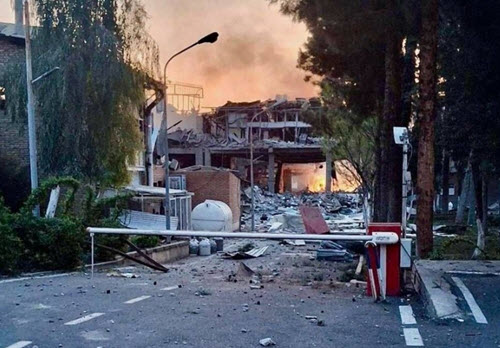
TEHRAN (Tasnim) - Spokesperson for the Iranian Foreign Ministry Esmaeil Baqaei strongly condemned a US-Israeli strike on the Pasteur Institute of Iran, calling it a shocking violation of humanitarian norms and international law.
In a message posted on his X account on Thursday, Baqaei described the attack on one of the region’s oldest and most respected public health and research institutions as a deeply disturbing act. He stressed that targeting such a facility goes beyond conventional wartime violations, characterizing it as an assault on fundamental human values and a stark example of ongoing aggression.
“Heartbreaking, cruel, despicable, and utterly outrageous: the American-Israeli aggressors have attacked the Pasteur Institute of Iran — the oldest and most prestigious research and public health center in Iran and the entire Middle East, founded in 1920 through an agreement between the Pasteur Institute of Paris and the Iranian government,” Baqaei said.
“This is not merely another war crime committed as part of an illegal war; it is a barbaric assault on basic human core values,” the spokesman added.
The US and the Israeli regime launched a large-scale unprovoked military campaign against Iran following the assassination of Leader of the Islamic Revolution Ayatollah Seyed Ali Khamenei, along with several senior military commanders and civilians on February 28.
The attacks have involved extensive aerial strikes on both military and civilian locations across Iran, causing significant casualties and widespread damage to infrastructure.
In response, the Iranian Armed Forces have carried out retaliatory operations, targeting American and Israeli positions in the occupied territories and at regional bases with waves of missiles and drones.
April, 02, 2026 - 16:53 Politics news
http://www.tasnimnews.ir/en/news/2026/0 ... -institute
TEHRAN (Tasnim) - Spokesperson for the Iranian Foreign Ministry Esmaeil Baqaei strongly condemned a US-Israeli strike on the Pasteur Institute of Iran, calling it a shocking violation of humanitarian norms and international law.
In a message posted on his X account on Thursday, Baqaei described the attack on one of the region’s oldest and most respected public health and research institutions as a deeply disturbing act. He stressed that targeting such a facility goes beyond conventional wartime violations, characterizing it as an assault on fundamental human values and a stark example of ongoing aggression.
“Heartbreaking, cruel, despicable, and utterly outrageous: the American-Israeli aggressors have attacked the Pasteur Institute of Iran — the oldest and most prestigious research and public health center in Iran and the entire Middle East, founded in 1920 through an agreement between the Pasteur Institute of Paris and the Iranian government,” Baqaei said.
“This is not merely another war crime committed as part of an illegal war; it is a barbaric assault on basic human core values,” the spokesman added.
The US and the Israeli regime launched a large-scale unprovoked military campaign against Iran following the assassination of Leader of the Islamic Revolution Ayatollah Seyed Ali Khamenei, along with several senior military commanders and civilians on February 28.
The attacks have involved extensive aerial strikes on both military and civilian locations across Iran, causing significant casualties and widespread damage to infrastructure.
In response, the Iranian Armed Forces have carried out retaliatory operations, targeting American and Israeli positions in the occupied territories and at regional bases with waves of missiles and drones.
- admin
- Site Admin
- Posts: 41470
- Joined: Thu Aug 01, 2013 5:21 am
Re: Part 2 Anti-Anti-Nazi Barbarian Hordes are Knocking Down
by admin » Fri Apr 03, 2026 2:20 am
Handala Cyber Group Claims Major Breach of Israeli Defense Networks
April, 02, 2026 - 12:49 World news
http://www.tasnimnews.ir/en/news/2026/0 ... e-networks

TEHRAN (Tasnim) - The Handala cyber group announced that it successfully hacked into key Israeli defense networks, obtaining sensitive data from critical command and control systems, and warned that no Israeli military infrastructure would remain secure.
The hacker group said in a statement that, as part of a series of cyber operations targeting Israeli military infrastructure, it had delivered another decisive strike.
According to the group, it carried out a sophisticated cyberattack on the networks of PSK WIND Technologies, the main designer and operator of integrated command and control systems for Israeli air defense. The hackers claimed they fully extracted all sensitive data from the company’s servers.
The statement noted that PSK WIND Technologies serves as the “brain” of Israeli command centers, communication systems, and critical defense infrastructure. Handala cyber group added that the obtained top-secret information has been directly transferred to missile units of the resistance axis.
Issuing a warning to Israelis, the group said that what they celebrate as Passover would soon become an unforgettable day, asserting that from now on, no command or defense center would be safe from resistance attacks.
The statement concluded by saying this is only the beginning of the collapse of Israel’s “false sense of security,” and reiterated that no system, regardless of its sophistication or adherence to military standards, is immune to the cyber capabilities of the resistance.
April, 02, 2026 - 12:49 World news
http://www.tasnimnews.ir/en/news/2026/0 ... e-networks
TEHRAN (Tasnim) - The Handala cyber group announced that it successfully hacked into key Israeli defense networks, obtaining sensitive data from critical command and control systems, and warned that no Israeli military infrastructure would remain secure.
The hacker group said in a statement that, as part of a series of cyber operations targeting Israeli military infrastructure, it had delivered another decisive strike.
According to the group, it carried out a sophisticated cyberattack on the networks of PSK WIND Technologies, the main designer and operator of integrated command and control systems for Israeli air defense. The hackers claimed they fully extracted all sensitive data from the company’s servers.
The statement noted that PSK WIND Technologies serves as the “brain” of Israeli command centers, communication systems, and critical defense infrastructure. Handala cyber group added that the obtained top-secret information has been directly transferred to missile units of the resistance axis.
Issuing a warning to Israelis, the group said that what they celebrate as Passover would soon become an unforgettable day, asserting that from now on, no command or defense center would be safe from resistance attacks.
The statement concluded by saying this is only the beginning of the collapse of Israel’s “false sense of security,” and reiterated that no system, regardless of its sophistication or adherence to military standards, is immune to the cyber capabilities of the resistance.
- admin
- Site Admin
- Posts: 41470
- Joined: Thu Aug 01, 2013 5:21 am
Re: Part 2 Anti-Anti-Nazi Barbarian Hordes are Knocking Down
by admin » Fri Apr 03, 2026 2:24 am
80 Major Think Tanks Believe US, Israel Have Failed in War against Iran
April, 01, 2026 - 19:57 Politics news
http://www.tasnimnews.ir/en/news/2026/0 ... ainst-iran
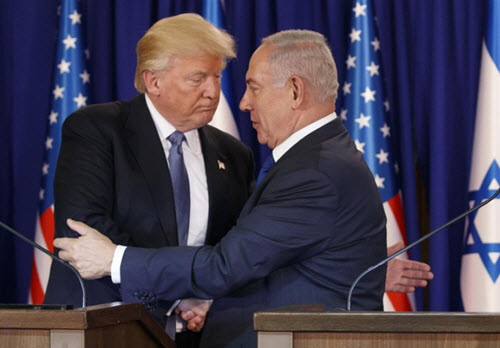
TEHRAN (Tasnim) – There is a significant consensus among world’s major think tanks about the definitive failure of the US and Israel in achieving their goals in the war against Iran.
A research conducted by the Center for Strategic Studies of Tasnim News Agency, analyzing the content of all reports published by 80 think tanks around the world over the past month about the US-Israeli war against Iran, shows that there is a significant consensus among the experts and analysts of these think tanks about the definitive failure of the US and Israel in achieving their goals against Iran.
The analysis of the content of these think tanks shows 5 important pillars about the Ramadan War (Iran’s defense against US-Israeli aggressors):
1. The United States and Israel, due to their technological superiority in military weapons, have been able to deliver blows militarily and "tactically".
2. From a "strategic" perspective, Iran has prevented the US and Israel from achieving all the main goals of the war, namely overthrowing the political system, disintegrating or eliminating Iran's defense capabilities, and political-social surrender of Iran.
3. Iran has practically gained the upper-hand in the war through a complex and intelligent asymmetric war, through a blow to the military and technological credibility of the other side, as well as by taking over the Strait of Hormuz and the inability of the United States, Israel, and their allies to reopen it militarily.
4. After some military strikes by the United States and Israel, as well as smart management and strategic successes by Iran, the war has turned into a war of attrition, but time is in Iran’s favor more than in America and Israel’s favor.
5. In order to get out of this war as quickly as possible, the United States and its allies must either achieve a propaganda victory or end the war right now without even that propaganda victory.
The list of think tanks surveyed by the Tasnim News Agency's Center for Strategic Studies is as follows:
The United States: 22 think tanks
Britain: 8 think tanks
European Union and European countries (France, Germany, Belgium, Denmark, Netherlands, Spain, Switzerland, Sweden, etc.): 18 think tanks
Asia (China, Japan, South Korea, India, Taiwan): 9 think tanks
Canada: 2 think tanks
Australia: 3 think tanks
Latin America (Brazil): 1 think tank
Africa: 3 think tanks
International/multinational organizations: 14 think tank
Which think tanks speak of America and Israel's failure in the Ramadan War?
The names of 80 think tanks whose entire content on the US-Israeli war against Iran over the past month has been examined by the Tasnim News Agency's Center for Strategic Studies and their common viewpoint has been extracted:
Brookings, Carnegie, Chatham House, Center for Strategic and International Studies (CSIS), RAND, Council on Foreign Relations (CFR), International Institute for Strategic Studies (IISS), Peterson Institute for International Economics (PIIE), Heritage Foundation, Center for American Progress (CAP), Wilson Center, Bruegel, French Institute for International Relations (IFRI), Getúlio Vargas Foundation (FGV), Japan Institute of International Affairs (JIIA), Korea Development Institute (KDI), Konrad Adenauer Foundation (KAS), Friedrich Ebert Foundation (FES), China Institute for Contemporary International Relations (CICIR), Observer Research Foundation (ORF), Atlantic Council, Stimson, Center for Global Development (CGD), Center for International Governance Innovation (CIGI), European Council on Foreign Relations (ECFR), German Institute for International and Security Affairs (SWP), Clingendael Institute, Danish Institute for International Studies (DIIS), SIPRI, World Economic Forum (WEF), Global Public Policy Institute (GPPi), German Marshall Fund (GMF), New America, Aspen Institute, Center for a New American Security (CNAS), Kato, American Enterprise (AEI), Institute for Public Policy Research (IPPR), Demos, New Economy Foundation (NEF), Policy Exchange, Center for European Reform (CER), Center for European Policy Studies (CEPS), Barcelona Institute for Global Health (ISGLOBAL),CESifo Economics Institute, Overseas Development Institute (ODI), Royal United Services Institute (RUSI), Transnational Institute (TNI), Transparency International, International Crisis Group (ICG), Peace Research Institute Oslo (PRIO), Hudson, Eurasia Group, Lavie Institute, Gretchen Institute, International Institute for Sustainable Development (IISD), Japan National Research Institute (NIRA), Taiwan Think Tank, Sustainable Governance Network (SGI), South African Race Relations Institute (IRR/CER), Institute for Security Studies in Africa (ISS Africa), Africa Portal, International Development Research Centre Canada (IDRC), European Union Institute for Security Studies (EUISS), International Institute for Democracy and Electoral Assistance (IDEA), United Nations University (UNU), Gottlieb Datwiler Institute (GDI), Avenir Switzerland, Indian Policy Research Centre (CPR), Institute for Policy Studies (IPS-DC), Economic Policy Institute (EPI), Treadway, Belfer Centre, Australian Governance Institute, Sasakawa Foundation, Asian Development Bank – Institute (ADBI), El Diario Foundation, Fundación Alternativas, CIDOB.
April, 01, 2026 - 19:57 Politics news
http://www.tasnimnews.ir/en/news/2026/0 ... ainst-iran
TEHRAN (Tasnim) – There is a significant consensus among world’s major think tanks about the definitive failure of the US and Israel in achieving their goals in the war against Iran.
A research conducted by the Center for Strategic Studies of Tasnim News Agency, analyzing the content of all reports published by 80 think tanks around the world over the past month about the US-Israeli war against Iran, shows that there is a significant consensus among the experts and analysts of these think tanks about the definitive failure of the US and Israel in achieving their goals against Iran.
The analysis of the content of these think tanks shows 5 important pillars about the Ramadan War (Iran’s defense against US-Israeli aggressors):
1. The United States and Israel, due to their technological superiority in military weapons, have been able to deliver blows militarily and "tactically".
2. From a "strategic" perspective, Iran has prevented the US and Israel from achieving all the main goals of the war, namely overthrowing the political system, disintegrating or eliminating Iran's defense capabilities, and political-social surrender of Iran.
3. Iran has practically gained the upper-hand in the war through a complex and intelligent asymmetric war, through a blow to the military and technological credibility of the other side, as well as by taking over the Strait of Hormuz and the inability of the United States, Israel, and their allies to reopen it militarily.
4. After some military strikes by the United States and Israel, as well as smart management and strategic successes by Iran, the war has turned into a war of attrition, but time is in Iran’s favor more than in America and Israel’s favor.
5. In order to get out of this war as quickly as possible, the United States and its allies must either achieve a propaganda victory or end the war right now without even that propaganda victory.
The list of think tanks surveyed by the Tasnim News Agency's Center for Strategic Studies is as follows:
The United States: 22 think tanks
Britain: 8 think tanks
European Union and European countries (France, Germany, Belgium, Denmark, Netherlands, Spain, Switzerland, Sweden, etc.): 18 think tanks
Asia (China, Japan, South Korea, India, Taiwan): 9 think tanks
Canada: 2 think tanks
Australia: 3 think tanks
Latin America (Brazil): 1 think tank
Africa: 3 think tanks
International/multinational organizations: 14 think tank
Which think tanks speak of America and Israel's failure in the Ramadan War?
The names of 80 think tanks whose entire content on the US-Israeli war against Iran over the past month has been examined by the Tasnim News Agency's Center for Strategic Studies and their common viewpoint has been extracted:
Brookings, Carnegie, Chatham House, Center for Strategic and International Studies (CSIS), RAND, Council on Foreign Relations (CFR), International Institute for Strategic Studies (IISS), Peterson Institute for International Economics (PIIE), Heritage Foundation, Center for American Progress (CAP), Wilson Center, Bruegel, French Institute for International Relations (IFRI), Getúlio Vargas Foundation (FGV), Japan Institute of International Affairs (JIIA), Korea Development Institute (KDI), Konrad Adenauer Foundation (KAS), Friedrich Ebert Foundation (FES), China Institute for Contemporary International Relations (CICIR), Observer Research Foundation (ORF), Atlantic Council, Stimson, Center for Global Development (CGD), Center for International Governance Innovation (CIGI), European Council on Foreign Relations (ECFR), German Institute for International and Security Affairs (SWP), Clingendael Institute, Danish Institute for International Studies (DIIS), SIPRI, World Economic Forum (WEF), Global Public Policy Institute (GPPi), German Marshall Fund (GMF), New America, Aspen Institute, Center for a New American Security (CNAS), Kato, American Enterprise (AEI), Institute for Public Policy Research (IPPR), Demos, New Economy Foundation (NEF), Policy Exchange, Center for European Reform (CER), Center for European Policy Studies (CEPS), Barcelona Institute for Global Health (ISGLOBAL),CESifo Economics Institute, Overseas Development Institute (ODI), Royal United Services Institute (RUSI), Transnational Institute (TNI), Transparency International, International Crisis Group (ICG), Peace Research Institute Oslo (PRIO), Hudson, Eurasia Group, Lavie Institute, Gretchen Institute, International Institute for Sustainable Development (IISD), Japan National Research Institute (NIRA), Taiwan Think Tank, Sustainable Governance Network (SGI), South African Race Relations Institute (IRR/CER), Institute for Security Studies in Africa (ISS Africa), Africa Portal, International Development Research Centre Canada (IDRC), European Union Institute for Security Studies (EUISS), International Institute for Democracy and Electoral Assistance (IDEA), United Nations University (UNU), Gottlieb Datwiler Institute (GDI), Avenir Switzerland, Indian Policy Research Centre (CPR), Institute for Policy Studies (IPS-DC), Economic Policy Institute (EPI), Treadway, Belfer Centre, Australian Governance Institute, Sasakawa Foundation, Asian Development Bank – Institute (ADBI), El Diario Foundation, Fundación Alternativas, CIDOB.
- admin
- Site Admin
- Posts: 41470
- Joined: Thu Aug 01, 2013 5:21 am
Return to United States Government Crime
Who is online
Users browsing this forum: No registered users and 32 guests