
Nima Alkhorshid, Dialogue Works
Streamed live on May 23, 2026 Interviews 02
Transcript
Hi everybody. Today's Saturday, May 23rd, 2026, and our dear friend, our brother Mark Saboda is here with us. Welcome back, Mark.
Nema. Thanks for having me. It's always an honor and a pleasure to be on Dialogue Works.
Yeah, we had a last night we had a huge, you know, sort of
a lot of chaos by the way in in the Middle East. Iran it's it's specifically what is was happening in Iran two
delegates one Munir the his name is his first name I I just forgot his name
his first name but Munir was in Iran the head the head of the army of Pakistan was in Iran talking with Iranian side
and we had delegations in Iran I don't know what was the main I today I asked professor What was that? What was the main reason?
1 minuteHe said they had some regional talks with delegation. And today before coming to this live, we've learned that Donald
Trump said to the Israeli channel 12 that I will not make any deal that is not good for Israel.
This is the sort of chaos that we're living in. Nobody knows if there would be some sort of attack. Last night, many people were talking about the attack is
coming. There were reports on Iraq and Syria that the fighter jets are going headed toward Iran. Nothing happened
last night. I don't know. Tonight we're going to have some sort of attack. We have some or we're going to have some sort of announcement. But what can we
say in my opinion that is that's not going to change is the Iranian position because we are hearing over and over that
they're saying our basic terms are important terms are still the same they have not changed your understanding of what's going on.
Yeah. Well, so first of all, I mean, it you shouldn't really beat yourself up over the fact that you can't figure out
whether uh Trump is going to bomb Iran again or not because Trump doesn't know, right? I mean, that they're they're
obviously flailing around. This is not 5D chess, right? This is not some Trump master plan. This is them not knowing
what to do, creating a lot of bluff and bluster, backing down, considering options, trying crazy plan A, crazy plan
D. Um, you know, and looking for a way out of the situation that Trump has put
himself into. Uh, and yeah, it's a, you know, a zoo zang to use the the the chess term. anything he does will only
make the situation worse. That's why they're they're flailing around like they are. And they realize that
bombing Iran again is probably, you know, 90% unlikely to change anything. They'll kill a few more Iranian leaders.
They'll destroy some more stuff, but it's not going to make Iran capitulate, right? It's not going to make them give
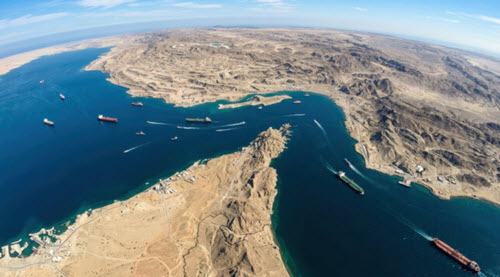
in. It's not going to relinquish uh the uh Iranian hold over the straight of four moves. Uh
but uh they don't have any other good options. They they can't just take the L
and walk away, right? Because Iran controls the straight of Hormuz. As long as that is the situation,
no, even Donald Trump can't spin that into a victory. I mean, he at some point he may yet try. Uh, but it it's
extremely unlikely that that he could pull that off. I I fully expect him to
eventually limp away from Iran at some point, right? He may bomb again for a while and then declare victory and walk
away. Uh, but I expect him on the way back from Iran to beat up on Cuba just
to make himself feel better because Cuba is in the Western Hemisphere. It's lowhanging fruit, right? Cuba doesn't
have the military the military assets the the geo you know uh political location you know all of these things
that Iran has that uh you know make it so difficult for the US uh to um regime
change uh Iran uh Cuba lacks a lot of those uh quite obviously so um yeah Cuba
may end up getting shafted by Trump's shy they say a pent up frustration over Iran uh on the way out the door.
That that is uh looking like a a very real possibility. But um what whether he
bombs again or not, I even he doesn't know at this point. Uh he he realizes that it probably won't change anything.
he has at least some level of understanding of how low the Pentagon's inventories of uh air defense
interceptors and of standoff munitions like the Tomahawk and the Jasmar. Uh and
he he keeps promising to you know uh put Iran back into the stone age to destroy
their civilization to bomb every bridge and and um uh power plant in the country. And uh he can't do that. They
can't because they don't have the standoff munitions left to do that. Look
at Russia has been hitting the KV regime's electrical infrastructure for what at least three years now. And yes,
6 minutesit's teetering on the edge now. And they can tap it locally and knock it out when they want. Uh they obviously don't want
to destroy the whole thing. They haven't taken that action. But the point is it took them a long period of time to destroy
Ukraine's uh existing Soviet legacy air defense system. then to destroy the uh
imported uh half-hazard western air defense system that they brought in.
Then to start taking apart the electrical infrastructure piece by piece. It took them years uh to do that.
And yes, the US has some more advanced and and you know uh air assets than Russia does, but not that much more
advanced. Uh and we heard uh leaked from the Pentagon, from US intelligence on
the pages of the New York Times uh that the air force is afraid of Iran's uh
detection and air defense capabilities, right? that if they went into Iranian
airspace to make use of the closer munitions that they have rather than standoff munitions like the the glide
bombs, the J dams, which they do have many more of, but then they would be putting their own air force at risk
because Iran has um various uh new um air defense capabilities, air first of
all, air detection and uh so my understanding of that is that It is a combination of um infrared
uh and um rather than active radar defense which is easily detected and
then homeed in on right um uh they're using a non-active uh detection. uh that
at least in part involves cameras that are placed all over the country at the
sky and the information is collated with artificial intelligence uh and filtered through. And so this
combination of infrared and this has given them a fairly good capacity to
detect even um uh the US's stealth uh capabilities, the F-35s and and uh so on
the B2s and um that um and they're they're still you know obviously they
still have enough uh air defense uh interceptor assets uh you know launch systems and interceptors that you know we saw all those US planes
fall out of the sky in the few days before this ceasefire started and right in the western mainstream media this is
not coming from us and the alt media right this is coming from them and they say yeah Iran has too much capability in
that regard uh and it first of all it's very interesting when you hear these things we've heard a whole lot of leaks
from US intelligence and the military in the last couple of weeks. They admit
that Iran can probably outlast the US blockade. They admit that Iran still has
70% plus of their missile missile launch, drone capacity, everything. They admit that they have capable air
defense. They admit that the Trump administration has no answer to their fast attack swarmboats uh in the Hormus.
That's whenever you get leaks like that.
I mean they confirm what we have known and we've been talking about you me uh many of other people on your show right
across the alt media for the most part have been they confirm right they vindicate what we've been saying for
months now but why why are they leaking this why are they leaking this now who's leaking it why
are they whenever you get a leak like that you have to ask who's leaking it and why. And
as best as I can tell, this is elements within the uh the deep
state, the US deep state, right, within the intelligence apparatus, within the Pentagon, that it is a desperate cry,
warning what a bad situation the US is in and trying to divert Trump
from attacking again, not because they don't want to attack Iran, but because they believe that ultimately that will
simply put the US in an even worse position on the other end of it. Which is fascinating that I mean that is a a
cry of what a bad situation is in that their own deep state or at least element, right? There's no monolithic
deep state, right? There there are many different factions, right, within their deep state, within the blob, right, as Ben Rhodess called it, the foreign
policy and security elite. They there there are elements within it that are making a desperate cry to alert the
public, to alert the media, and thus to try to put pressure on the Trump administration. Don't do this thing,
right? don't attack Iran again because it likely will not end well for us.
We'll likely be in an even worse position because and certainly not out of a moral principle that they're leaking this, right?
So, that's all very fascinating. Every time there's been so many of these leaks to the media from intelligence, and from the military, and of course, again, we've been saying all of these things for a long period of time in the alt media. And they just are 180 degrees almost from the absolutely, you know, mad, unhinged, pural, manchild rantings, megalomaniac manchild rantings of Donald Trump.
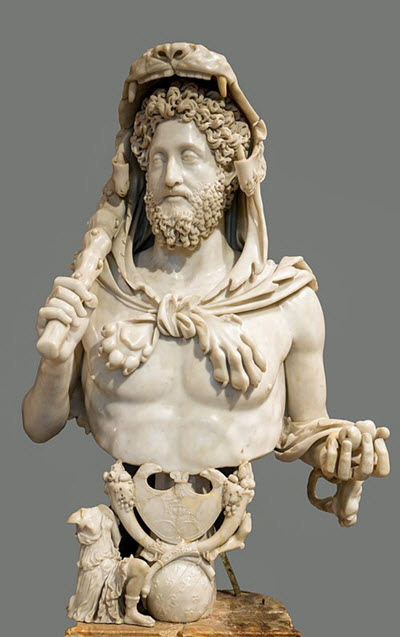
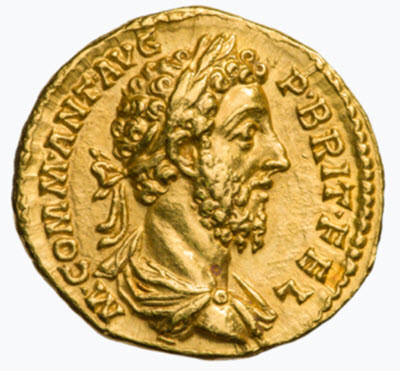
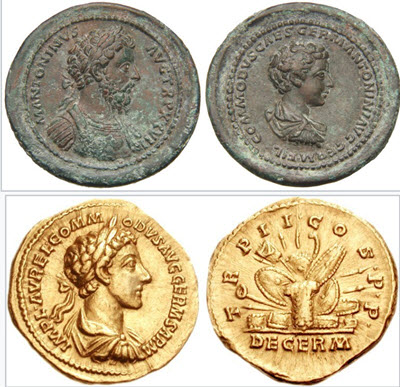
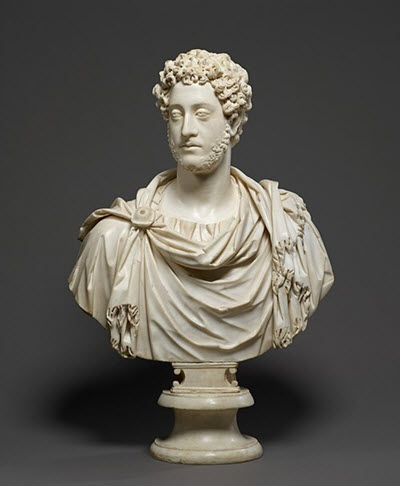
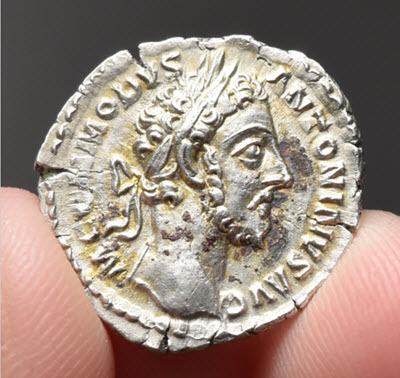
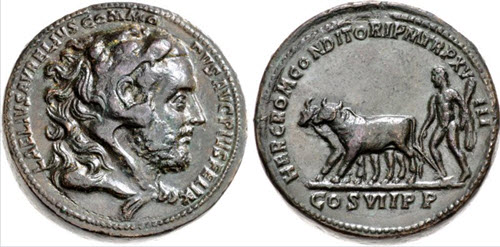
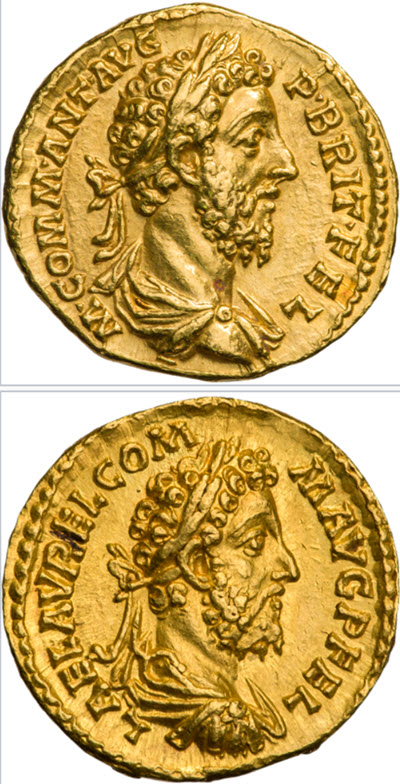
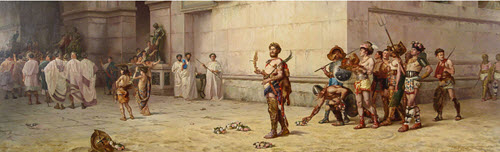
And well, I'm not a historian, but like many, I'm sure, out there in the audience, I am a history fan, right? A buff. And I particularly like ancient history. And I've come to the conclusion that Donald Trump is the Emperor Commodus of the Roman Empire. The one who used to fight as a gladiator, was kind of fictionally pieced together out of various elements. But yeah I mean
there's some elements that were kind of true in that. But the real emperor Commodus, the one who used to fight in the Coliseum and everything. He is the US empire's Commodus. And after Commodus, the Roman Empire went straight down, and never came back, right? Not for any significant period of time. And I'm convinced that history doesn't repeat itself, but it rhymes. Yeah. Trump and Commodus, I could very much see him as a reincarnation, if you will, in historical terms, of that creature. And this is the US.
I mean, we we saw I of course I've lost a lot of respect over the past couple of years for Tulsi Gabbard, but Tulsi
Gabbard has now obviously stepped down under pressure, under protest. And you know, I'm I'm fairly certain and I don't
think it's too controversial to say that she has tried to prevent Trump from launching a second or I don't do we want
to call it round two, round three, round four, round three. Yeah, round three. All right, let's call it round three. It all depends on when you
start the counting, but let's call it round three. That that Tulsi Gabbard obviously objects to to that or is warning against it if she doesn't object
to it and uh you know for the US's own interests. Uh and she's gone now and uh
one of her uh top deputies also stepped down uh in the last week. Uh so a whole lot of defections from the Trump
administration as they again they can't take the element. --
Sorry for interrupting just just breaking news that we've learned from Pakistan, Saudi Arabia, Qatar that they
expect that a memorandum of understanding between Iran and the United States could be announced as soon as tomorrow. Go ahead.
They were saying the same thing last week and the week before that. So maybe right. But I wouldn't count on it. I do not believe that any US president can accept Iran's terms.
Donald Trump or not, I don't think that any US president, put in the same situation, could accept Iran's terms. So they can't do that. They can't take the L and walk away. What else do they have left but to roll the crap dice, to take that risk, no matter how unlikely it is, and hope that some black swan event comes out the other end of it, and improves their situation, by dropping a few more bombs, because that's what the US does. That's what they do. They don't seem to have any CIA-MOSSAD options left. If they had them, they probably already would have used them. So now they've just got, you know, bombs, the standoff munitions and so forth, and they haven't achieved anything yet.
And, you know, maybe they'll kill Mojtaba Khamanei. Maybe they'll take out, another round of the heads of the IRGC and so forth, if they bomb again, and almost certainly that's what they would try to do, and then they would try to claim it's the second regime change. And then if things don't change, they would still say, "Well, we've removed the regime, and we've bombed them and they don't have anything left, and we're going to walk away. We're done." And wipe their hands of the affair. That's a real possibility.
Now, if they were more sane, they might at this point just do that without bombing again. But I don't think that they're sane. I don't think that they're logical or rational. So that it would be a mistake to think to reason that a sane person would walk away now before the situation gets worse. But they're no sane people. So it is always dangerous to try
to put yourself into the the thought process of someone who is not sane, not
rational. Uh but unfortunately that's what we need to do you know as as analysts and journalists you know uh
covering uh this and yeah it's let's just say it's it's precarious to our own sanity uh to do that too much.
Don't look too too long too deeply into the abyss. Let the abyss stare back at you. But you know that's that's what
we've got to do. So I I don't see any good options for the US. Nothing has changed. We're still in this geoeconomic
game of chicken. Uh you know um this hurtling towards the precipice or towards each other, however you want to
term it. Uh and um Iran is in their economy and um Trump is stuck driving
the the global economy affected by the global energy crisis. And it we keep getting closer and closer to that cliff.
And even US intelligence told us last week that Iran will outlast this
attempted US blockade. They've got too many other options now. They're they're of course still getting uh ships out on
you know again hugging the Pakistani the Indian coasts land trade routes over Pakistan the Caspian Sea route uh trains
that cut through uh Turk menistan down to from China uh down to Iran. They've just got too many possibilities. You can
you can strain their economy. There's no question about that. uh that you can cause them to get less oil out in
tankers than they were before. But of course, at this point, getting less oil out is hurting the global economy as
well. That's the the conundrum. Uh so, um they're they're hurting themselves in that regard and shortening their own
timer, right, to to the precipice. Um no good options. that I I don't you know
unless they've got a magic death star or something and um evidently even the Europeans are so worried uh that uh we
now know what we were thinking when Trump started going off a few weeks ago about um you know ending Iranian civilization.
They were worried, European leaders were worried he might start using nukes out of frustration
uh and um that that if even the Europeans were afraid of that. Now we talked about that
at the time, you know, that it was a scary possibility, but one that you couldn't discount. Uh but that that is
still a possibility. Of course, we like to think that some US generals would restrain and prevent Trump from doing
that, not obey his orders, but we don't know that. We we don't know that. So, it's uh
you know, we're all right now we're we're we're waiting for the next insane
megalamaniac social media rant from this unhinged man. We're we're
breathless. Oh, Trump is cancelling his he's not attending his son's wedding.
He's not doing his weekend golf routine because he's in the White House, right?
It's it's almost surreal, right? You know, the world uh that we find ourselves in and and they say that
there's a constant argument about in international relations about the role of individuals, about agency, right?
versus systems, versus institutions, versus the weight of history and culture and these things. But how how can you
say that you know even if it's not the final determinant that an absolutely
power powerful and power mad figure uh unhinged like Donald Trump, you know,
uh isn't creating this chaotic situation by himself, you know, to to a very large
degree. Uh and so we're all, you know, this foreign policy by social media is is almost becoming normal to us
now already just just, you know, over a year and not even a year and a half into his
presidency and and we're all taking it, you know, as as as normal at this point.
It's already become other leaders are doing it as well. The Iranians are doing it, right?
um every everything is is now part of this global public theater that that events are being played out on. And and
of course when you're performing for the audience like that, you are also
however consciously or unconsciously changing your own behavior because you are in a public theater now.
um that doesn't make me give it does not give me a warm fuzzy about the situation that
we're in now because um that that is not actually a good thing because it makes it harder for people to back down. It
makes it harder for concessions. It makes you more likely to jump to a kneejerk
emotional response to uh some provocation
uh because your own public right gets um upset o over uh a situation. So it's so
unstable. It's such a a dangerous situation. And you know, the other the other great powers, Russia and China, of
course, are sitting behind this and they're backing Iran quietly. And in the Russia's case, maybe not so quietly
anymore. Um, you know, we're we're being told in the Western media that all sorts of things that Iran and Hezbollah are
doing now are, you know, being helped or provided uh by Russia. And we can only, you know, speculate about whether that's
true or not. Uh but Russia and China are not only
backing Iran to various degrees, but they're also very very worried about this situation spinning out of all kinds
of control, both economically and of course in in the military field as well.
Mark, Donald Trump said to CBS news that the agreement he said that we are getting closer and closer to an
agreement with Iran. I don't know what does agreement mean because I don't see any sort of agreement coming at best going to be that memorandum of
understanding which doesn't mean any sort of agreement or deal. It's been it
it could this course I mean they've been talking about this now for on two months, right? How long have we been
talking about a deal, right? Trump is always talking about a deal that is about to be reached. And we know that,
okay, some of this is the Americans and the Iranians talking to each other through the Pakistanis. Some of it might
be some texts going back and forth or replying to each other's social media posts at this point. But we also know
that a considerable amount of these posts, these reactions by Trump are
intended at least in part to manipulate the oil market. I mean that that I don't think there's any question of that now.
So we can't take anything uh that Trump says with any degree of veracity. uh you
know we we we have to take everything he says uh with I I don't trust anything he says um and
until I have it confirmed by multiple other sources and including of course the Iranian side that's that's the the
world and when even you know we can't trust anything he says of course how could the Iranians trust the US in any
deal anyway uh so um last night, the last when I was doing
my the last thing I heard was that uh the Axios and stuff were going on, oh, a deal is about to be reached and the
Iranians at the same time were saying, "No, that's false. There's no deal.
We're deadlocked." Um, and I heard hours ago that supposedly the Iranians had a
proposal put forward that they were considering giving up their toll of the
straight of Hormuz, but that was coming out of the Western media. So, is that real or is that more disinformation
hoping to shape the narrative and thus hoping to shape the events themselves?
or at least to shape the oil markets even if only on a you know a temporary uh basis. It's very hard uh to judge
these things right now. We I I certainly don't have I mean I know again certain parameters. I know the US is in a bad
situation. I know that Iran is still in a position where they have escalation dominance going forward and anything if
the Trump administration does drop more bombs, well then buckle your belts because the global economy is going to
take so many hits from the the cutting of undersea fiber optic cables to the closing of the Bob Elandab Straits uh to
the bombing of the uh uh East West pipeline to Yanbu across Saudi Arabia to
Fujera to the desolization plants that that make life sustainable in most of
these Gulf states. All of that is is on is on the table um if the US goes
forward. So again, that's I I have not heard anyone present an argument that would dissuade me from
believing that Iran has escalation dominance in these responses. Yes, of course they are asymmetric responses.
No, Iran can't bomb US cities, you know, uh that that is uh you know, not in
their range of capability. But perhaps what they're doing to the global economy is more effective. this this asymmetric
response, this using the historically tried and trueue US weaponizing of the
economy, they've flipped that and they're now doing the same thing back to the US um uh using economics, using the
the global energy markets, the global economy to put pressure uh on the US to
stop this this mad war on Iran And you know, yes, uh I I think there is a
definite argument to be made. Uh while while I still do believe there is a utility, a certain utility to a
strategic deterrent to a nuclear weapon, there are many people who make the argument that this is, you know, has
long they've long argued that closing the straight of Hormuz is Iran's nuclear weapon. But now we know not only uh is
it a nuclear option but it is a usable nuclear option that has real results.
Right? So there is also the argument to be made that Iran doesn't need a nuclear deterrent going forward because they
have this chokeold over the global economy.
That that is of course one ultimately you know that the Iranian National Security Council and the Supreme Leader
will decide you know is that enough or do we need this and a strategic deterrent moving forward that that that
is for them but you know certainly this has very real results and if Iran
couldn't reach out and do this to the straight of war moves they would be in a much more difficult position than they
are right now, but geography is what it is and that's where Iran is and they're on that chokeboat and they have the
30 minutescapability. And has been pointed out, they don't actually need that much of a capability. All they need to do is make
demonstrative attacks with fast boats or mini subs or drones or whatever. And no ship, you know, capitalists being
capitalists is going to risk their ship, their investments, their insurance and everything uh going through it. So, uh,
it's, uh, it's a powerful, uh, ability that Iran has. You know, we've long known that they had it. They've long
known that they have had it. But now there is a real empowerment through their use of it such that it was
just a couple of weeks ago that the New York Times there were articles in the New York Times uh and the Washington
Post uh admitting that Iran uh was emerging out of this not weakened
but as a kind of de facto fourth great power in the world if a little bit behind the others and various spheres,
but uh but as a a new kind of power and influence uh that they have never they
have always had but they've never exercised it before and that makes all the difference.
Mark Iranian the speaker of Iranian foreign minister Poy he said that the case of this rate of formos is a
regional case is not related to the United States it's about Iran and Oman deciding about it that's why there isn't
I would in Iran mark that they are formalizing the mechanism of this rate of formost through the parliament
and being accepted and nobody can change it and that that's why they're coordinating right now coordinating with
Omani government and to finalize that sort of you know being part of the Iranian constitution and
when it comes to the GCC countries Mark they're going to be before just remember
what has happened during the last three years since 2023 you know we had the
October the 7th before that Hamas before Hamas attacking Israel. Israel was
normalizing the relationship with GCC countries together with Turkey. That's gone right now. That's not going to we have what's going on with GCC countries.
They're going to be more dependent on Iran and the straight of that would bring some sort of leverage to axis of resistance in my opinion.
That's why Israel is doing everything to get closer to UA. I don't know they're doing but they're somehow teasing or
knowing UAE to make them more more vulnerable to you know but they're
trying to do their best to divide to make some sort of division within GCC countries. True.
Well, there is there is a division, right? I I do I mean they're Gulf monarchies. Let's let's not lose sight
of that, right? They they are you know a little uh antiquated monarchic states right
that that's what they are and personalities play a greater role than institutions uh and it's to you know the
highest degree and we see there is at least some divergence on reaction between shall we say Saudi Arabia and
Qatar you know not putting them in exactly the same place of course but on one side uh and the UAE on the other
where the UAE has been cleaving closer to the United States and Israel than they were uh before all of this.
Remember the UAE even joined Bricks Plus which has now of course paralyzed bricks
plus um and um you know they were pursuing a multi- vector foreign policy
up until uh now uh and Saudi Arabia has been going back and forth right you know
we heard from some sources that Saudi encouraged the US to go through with this war others saying that they were
doing the opposite. We don't we don't know the truth uh of that. Certainly, I don't know the truth in that regard of what Saudi's position is. But at the
moment, they seem to be trying to um cool the situation down and and
considering their options. But ultimately coming out of this,
the Gulf States are going to be more insecure, right, in both, you know, in in their
security situation and in their geopolitical situation than they were before. There's no
35 minutesthere's no question about that. They're going to be left with a US that has a US in Israel
which has an eroded not not completely gone but an eroded power and eroded hegemony in the Middle
East. And they have Iran which is becoming shall we say to some extents
you know through leverage uh through asymmetric means more than anything else but also through their demonstrated long
range strike capability as well. So that's hard power uh but greater hegemony uh you know uh in the Middle
East and they're going to be empowered and angry coming out the other side of this.
I don't believe that these Gulf Arab states can you know subjugate themselves to Iran, right? Uh because that's ultimately how would they would see it.
They can't make their economies and their militaries completely
vulnerable to Saudi Arabia. That means they need to continue to looking to an outside security provider. Now, never
mind that that outside security provider has um you know brought them to this
situation and dragged them willing or not into this conflict with Iran. thus making their security demonstrabably
less secure. Yes, that that is a logical conundrum, but they've got really no one else seriously to turn to. One of the
the interesting little details we got out of the recent um Russia China summit
uh that was that China has quietly been selling arms to the Gulf States during
this whole thing. Right? you for forget are yes are they probably selling drones and other things or at least components
to Iran as well yes but they were also selling defensive supplies you know almost certainly um anti- drone uh and
and interceptors to the Gulf states now can the Gulf states completely switch to
China as a security provider at the end no they can't right their militaries are locked into the United States and the
West so I expect the us to have a smaller footprint
than before. There's probably a lot of these bases that they will consider that are just too vulnerable to Iran uh
geopolitically and militarily to expose themselves to. They haven't helped us against Iran. They've actually made us
more vulnerable because they've given uh a part of us left hanging out there that
Iran can hit back at. Right. uh whereas all of their other assets in the US itself is you know far beyond the
horizon. So some of them they will probably quietly give up without saying that they're giving them because they
can't do that because that that is the prestige of the United States. They can't do that. Uh but they may give them up but they're not going to completely
be out of the Middle East uh at the end of this. That's that's not uh Iran has a lot of leverage and power, but they don't have that much leverage and power.
Let's let's be honest about that. And the Gulf States are going to both cling
more to the United States at the end of this in some regards. And they're also
going to be exploring how they can have a more multi-vector foreign policy.
Right? They will cut pragmatic deals with Iran
39 minutesto get their energy uh to the global market, but they won't like it. And that's going to create a very tense
situation, right? There's not going I don't believe there's going to be any signed deal at the end of this where the
US and Israel agree never to attack Iran again or anything like that's just not possible. It's not political. never never
the the removal of sanctions in the that's got to go through the US Congress. It's not going to happen.
Giving back Iran their frozen funds, you know, that's not going to happen. It's politically impossible. So whatever the
endgame of this is, it's only still it's going to yes empower Iran in some regards moving forward, but it's also
just going to be kicking the can down the road uh for a few more years until the US and Israel feel theoretically
that they are in a stronger position to resume this conflict with Iran. It is not going to be an end. It is it is only
going to be accomplish.
Yeah. Just Mark just let me read what Lindsey Graham is crying out right now.
He says that if a deal is you you are more of a massochist than I
am subjecting yourself to Lindsey Graham's posts.
Yeah. He he says that if a deal is struck to end the Iranian conflict because it is believed that the straight
of foremost cannot be protected from Iranian terrorism and Iran is still have
Iran still has the capabilities to to destroy major Gulf oil infrastructure
then Iran will be perceived as being a dominant force requiring a diplomatic solution.
This combination of Iran being perceived as having the ability to terrorize the straight of
the strait in perpetuity and the ability to inflict massive damage to Gulf
infrastructure is a major shift of the balance of power in the region and over time will be a nightmare for Israel.
And this is amazing that Lindsey Graham is admitting all of this. This is remember first we had a couple of weeks
ago Robbert Kagan, right? The arch neocon himself, the husband of Victoria
Nuland, right? The the the architect of neoconservatism of of US hijgemony in that sense. the
one that even European leaders quote from his books right as part of their you know exceptionalist
supremacist messianic ideology uh of exceptionalism. Now he has had two pieces out in the last couple of weeks.
first this checkmate Iran piece and now a second one where he yes did this same
type of walk of shame mayakulpa that the US has been strategically defeated right
that they have they have suffered a strategic defeat in all of this um via v
Iran uh and now Lindsey Graham is actually making some sense
and also saying these very same things.
That is remarkable that these I mean, how long ago was it
that Lindsey Graham was screaming fire and fury down on Iran? Uh, and now he's
been dragged, you know, to the uh proverbial river and made to drink. Um
it's uh I mean I don't want to distract from you
know the potential tragedies uh that that could still uh you know befall the Iranian people in all of
this. There could be renewed war for a period of time. There could be many hundreds thousands of deaths. But in if you
I I think nobody going to be surprised if tonight the United States attacks Iran. No, no one would be surprised. I
wouldn't be surprised. Um, but there's just a geopolitical death now
that is now self-evident and even Lindsey Graham and Robert Kagan are seeing it. We are seeing such dramatic
events. Um, now all wars are one war. I believe that at this point. So there are
a number of other events that have led up with this. the US uh and uh you know uh take continually playing whack-a-ole
against the Houthies in Yemen, wasting munitions, all of the US military, US and allied military assets that were
wasted in Ukraine. Uh and then the US went out here with Iran and they
overreached. classic Imperial overreach and they've been smacked and smacked
hard and um they are still trying to distance themselves to some extent at
least publicly from the war in Ukraine and now to have this this is too many defeats uh to to the hegeon you know to
the American empire if you want to call it that they're not going to recover from this we are seeing and everything
they do more again if they attack again it will ultimately make their long-term geopolitical position worse and it will
bring the that erosion of that hegeimon of that empire ever
quicker. We we we keep seeing they keep accelerating this themselves because of their hubris and they're unwilling to
accept uh you know uh changes in the world that that are occurring and trying to cling on to that hegemony. They are
ultimately uh hastening the end of it because uh they're they're overreaching.
Um you you you've probably seen Star Wars Nemo, right? um uh a new hope the
first the first Star Wars movie the you know the the it's number four you know in the canon or whatever but uh uh that
that line when Princess Leia is talking to uh Grandma Moff uh Tarkin and um she
46 minutesuh says that the more you try to tighten your grip the more star systems will
slip through your fingers or something of that sort. That is the situation.
That is that is the proverbial. And forgive me for retreating into that uh American Americanism. But I I think a
lot of uh it will bring the situation uh you know a closer to understanding to a lot of the people uh out there in the
audience that that that is the situation that is the US is in right now. and everything they do only makes their
situation worse, which is why they're so and that makes them very dangerous, of course. Uh because if they're desperate
uh and they stand to lose faith, they stand to lose political careers. They stand to lose geopolitical and military
standing. Every which way they turn, they are more likely to take mad risks, to do desperate and dangerous things.
uh because they they simply can't accept I mean Trump still insists he's winning.
I I just saw a video yesterday where he says he has 100% control of the straight of war moves and and maybe he believes that to a certain degree. I don't know.
I can't see it, you know, inside the man's head that much and I probably don't want to. Uh but uh they're that's
what's making them so desperate and that makes them dangerous. Of course, this is
still a case where Iran has now joined
Russia and China as with this this very weighty burden that they the three of these countries are now jointly sharing.
And that burden is how to manage the decline
of USled western global hegemony, the American empire without it having all coming down and collapsing and bringing
the whole world down with it all at once, right? or without it lashing out in its, you know, fading years and
dropping nukes or doing something else desperate and crazy as a result of that.
That makes uh Iran has now joined Russia and China as shall we say the adults in the room, the elder statesmen who think need to consider at times. Yes. Yes.
national interests are still a priority, but they also have to think a bit beyond that as well because you know the the
future global order and the future of humanity depend on them being able to
manage this decline of the US empire without us all going up in flames as a result of it. That's a heavy burden.
Uh, and it often will make them make decisions to not push the US too hard at every opportunity that they could perhaps.
Yeah.
You said that all wars are one war and here is Pentagon confirming what you've just said.
Buy arms from us. and all of a sudden there's a pause.
What are you hearing from the Taiwanese about the pause?
Chairman, I have not heard I have not spoken to the Taiwanese. However, we are we have done some military uh foreign military sales to them in the P. It's
just right now we're doing a pause in order to to make sure we have the uh munitions we need for Epic Fury, which
we have plenty, but we're just making making sure we have everything. But then the mil foreign military sales will continue uh when the administration
deems necessary. Sir, it's just confirming that's why Taiwanese is not the Taiwanese
government is not receiving the 14 billion dollars of you know weapons because of the war between the United States and Iran. And we know what has
happened before the United States coming to the war against Iran in Ukraine. And these are all connected. Yeah, there was
a a video, I mean, this is already about a year or so old, where uh uh Trump's envoy, his babysitter for the regime in
in Ukraine, the former retired General Kellogg, uh he's been kind of shuffled off to the farm now. But he gave an
interview where he pointed out that the problem that the US has with uh what they call strategic simultane
simultaneity now that Russia and China and Iran and North Korea and a few other
countries you could throw in there are are now so linked together through
strategic partnerships and alliances and largely because the US um pushed them all together at the same
time. provoked them all and uh did not do the realism 101
uh of um uh strategic balancing or divide and conquer principles, you know, citing, you know, they they they
provoked and uh you know, out of their imperial hubris, their hegemonic hubris, they provoked them all and helped push
these very different countries with very different uh um political ical systems
and cultures and histories and and um uh religions, you know, uh together uh into
this cooperation. And Kellogg noted that he the US cannot move now against any
one of these countries particularly the big three now but the others as well without it having negative
backlash effects via v their positions with the others. For instance, they go to war
with Iran and the uh the result is the global market goes energy markets go
crazy. The price of oil, the price of gas, the price of aluminum, the price of helium, the price of fertilizer, the
price of um uh all of these commodities that are byproducts of uh these
hydrocarbon industries as well. will go through the roof and of course Russia benefits from all
of this. So yes, they are handing gifts uh to Russia and if they send military
assets to the K regime in Ukraine over the past few years that means when they
came for Iran they had left less available left less interceptors less
assets available to do that. that that is uh a result not of shall we say some
5D chess on Putin's or their part. It's simply everything is connected so
closely together now that you can't break one web without it having an
effect on the whole structure. uh and and that is is the problem and and you know the um the US tries to frame it now
you know as the answer in uh with uh simultaneity the the the the you know
preferred is how to um do strategic sequencing what is the proper sequence
to go after Russia and China and Iran uh to to somehow preserve US hijgemony at
the end of it and they can't because They turned against Ukraine. They first turned against Russia. We can take Russia out. Oh, we can't do that. Their
economy is too strong. We couldn't crush their economy. We can't defend the defeat them militarily. Actually, they're just getting stronger. Let's
pivot and take out Iran. Oh, that's not working out either, right? You know, uh, and it's just worsening their position.
Now we we had the Washington Post, the fin everyone uh two weeks ago was coming to the same conclusion that we already
had that now the US was in too weak a position with its remaining inventories
of munitions of air defense interceptors and standoff munitions to do anything against the Chinese if the Chinese did
decide which they don't want to do but if they did decide to militarily recover their weward separatist island province
55 minutesof Taiwan from from US influence that there was very little the US could do about. Now I actually believe there was
ultimately there wasn't much the US could do about it anyway. But now their position of course is even worse because they went after Iran in such a big way.
And not only did they waste all of that uh hard power, but they didn't even achieve the results that they wanted
from it. In fact, they may have ultimately in some respects empowered Iran out of all of it. It's
it's a terrible position for the hegeimon to be in. And on one hand, yes, that brings a nice cynical smile to a
lot of our faces to realize what a bad geopolitical situation. But on the other hand, we have to be very careful with
that wounded beast of the hegeimon because a US put in this position is likely to lash out desperately uh and
56 minutesyou know illogically uh not wanting to accept this um you know largely
self-inflicted um damage uh to themselves uh in all of this. But uh it
is amazing times we're living in the amazing times.
Exactly. Just unbelievable what is happening right now. Mark, thank you so much for being with us today. Please go to Let me just put it here and do it.
Yeah, please go to Mark's Laboda website. He's a boosty. You can write you can see it right to the right side
of Mark boost.tothereal tothereal politic and you can go there. I know
that you may find his YouTube channel or his Substack, but he's not active on those accounts. Yes, Mark, you're using Booie.
Yeah. Again, I'm a Russian citizen living in Russia and all your Western governments are sanctioning me, so I
can't, you know, support myself via YouTube or Patreon or Substack or buy me a coffee. But Booie is sanctions proof,
right? It's good for you. It's good for me. Uh it's the one thing that does work. Uh and that's that's where I've
set up shop. So anyone can follow me there for free. And I put all of my interviews with Nema and um um Danny and
Rachel and Garland and Cross Talk and all of those other things I do there free for everyone. But then I also have
for those who want to subject themselves to a little bit more of my cynicism and fatalism, then you can uh support me and
become a subscriber and I put out hours and hours of exclusive content for them on top of everything else uh every week.
And we have a private Discord channel uh for uh chewing the geopolitical fat and so forth. And and thank you. This was not a paid advertisement.
Yeah. No, no. Please go there and subscribe. subscribe. You You have to We have to support Mark Laboda and the
journalism that he does that is important for our for the alternative media. We don't have analysis. Analyst, not a journalist. Analysis. Exactly.
You're a journalist. Yeah. Yeah. Exactly. Exactly.
Thank you so much, Mark, for being with us today. Great pleasure as always. Thanks for having me.